Politics
What Will Chicago Look Like in 100 Years? Planning Agency Plots Out Region’s Water, Energy, Infrastructure Needs
Northeastern Illinois is facing mounting challenges as the region sees an uptick in severe weather, an aging population and evolving technological needs. That trifecta is what the Chicago Metropolitan Agency for Planning (CMAP) calls the “polycrisis.” In response, the group has created a roadmap in an effort to help Chicago and the surrounding area prepare for those problems for the next 100 years.
The Century Plan, which is still in the preview phase, is akin to the 1909 Plan of Chicago that sought to preserve public assets like the lakefronts and forest preserves.
CMAP intends to have a final plan by October 2027.
The agency has identified five grand challenges it seeks to address: transportation, water, the electric grid, housing and open space.
“The problems that we’re seeing today aren’t problems that one community or multiple communities can solve on their own,” said Erin Aleman, executive director of CMAP. “It’s really the collective impact that I think we’re going to need to be thinking about in order to address the systems that are going to set us up for success for the next century.”
Among the concerns outlined by the agency are the region’s future water supply and growing demands on its electric grid. Of the 284 communities in CMAP’s region, roughly two-thirds rely on Lake Michigan for their water supply, while the remaining one-third depend on groundwater. Aleman said communities relying on groundwater could face drought conditions as early as the beginning of the 2030s.
Protecting the region’s water resources will become increasingly important as the population grows and demand for water increases, she said. CMAP is also focused on ensuring drinking water remains affordable and accessible.
The region faces similar questions about its ability to meet future energy needs.
Illinois currently exports energy, one of the state’s economic advantages, but CMAP’s projections indicate Illinois could need to begin importing energy by the early 2030s to sustain existing business activity.
Growing electricity demands from data centers, extreme heat and the electrification of freight and delivery vehicles could put additional pressure on the electric grid. A medium-sized delivery truck facility could consume as much electricity as a community of 20,000 to 25,000 people, Aleman said, emphasizing the region’s need to consider investments in resources such as battery and solar storage to supplement its existing electric infrastructure.
The plan also seeks to address the relationship between housing development and open space, particularly as the region’s demographics change.
CMAP projects the region will have approximately 700,000 more residents over the age of 65 by 2050, alongside a roughly 10% decline in the population under 20.
Those demographic shifts will require communities to consider what types of housing residents will need, as well as their access to public transportation and outdoor spaces.
Open space serves practical purposes beyond recreation and environmental preservation, helping communities manage stormwater, reduce flooding and mitigate urban heat.
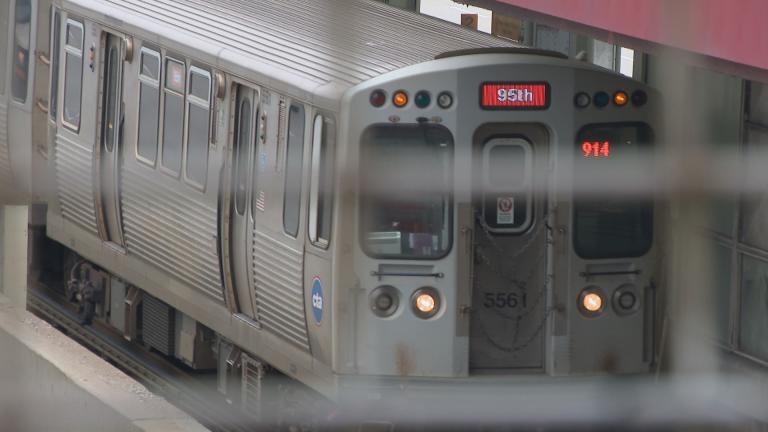
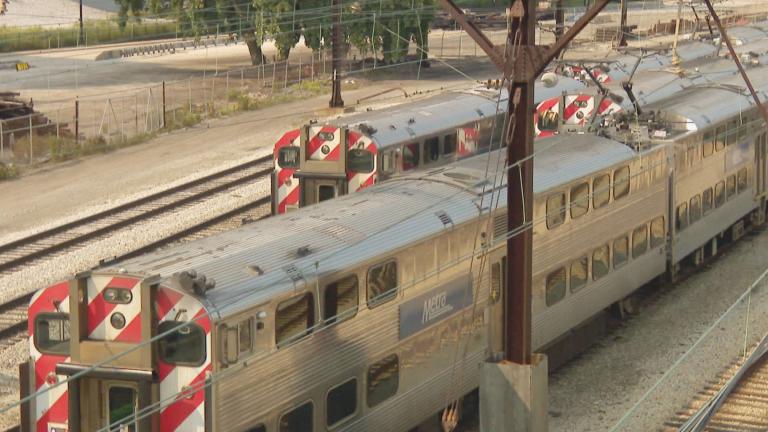
Transportation is another major component of the plan. Aleman pointed to the creation of the Northern Illinois Transit Authority, or NITA, which oversees the CTA, Metra and Pace, as an example of regional cooperation.
As the new authority begins its work, she said, priorities should include integrating fares, improving safety and security, and creating a more seamless experience for passengers traveling across different transit systems.
Ultimately, the next immediate goal for CMAP is building support among state and local leaders to begin implementing the Century Plan when it is adopted next fall.