Business
UIC Report Estimates $1.2B of Retail, Restaurant Activity Lost During Heightened Immigration Enforcement in Chicago Area
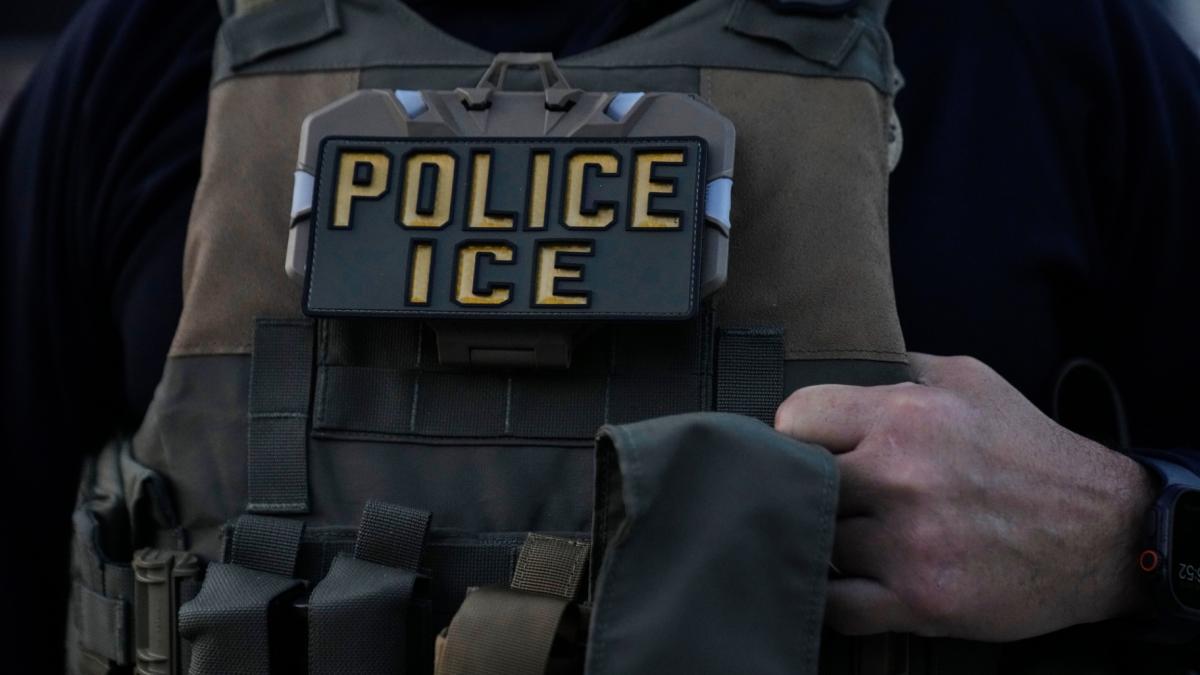 A U.S. Immigration and Customs Enforcement agent takes part in an early morning operation in Park Ridge, Ill., Friday, Sept. 19, 2025. (AP Photo / Erin Hooley)
A new report from the University of Illinois Chicago estimates $1.26 billion of retail and restaurant activity was lost in the Chicago area as a result of increased immigration enforcement under the second Trump administration.
The report, “Hunkering Down: The Hidden Economic Cost of Federal Immigration Enforcement in Cook County, IL,” was released Tuesday by UIC’s Great Cities Institute. Researchers and community leaders gathered Tuesday to share the report’s findings.
The report found an estimated $107 million was lost in local sales tax revenue.
Researchers also found cross-community trips to restaurants, shopping, entertainment and other discretionary destinations fell 9% while trips to essential destinations, such as grocery stores, pharmacies, gas stations, banks and healthcare providers, fell nearly 8%.
“Behind these numbers are potentially much more consequential changes in everyday life: healthcare that may have been delayed, food or medicine that may have been harder to access, work and family routines that had to be reorganized,” UIC researcher and report co-author José Miguel Acosta-Córdova said. “Those costs do not show up on a sales receipt.”
The report — which examines foot-traffic data after January 2025 in areas with a high share of Latin America-born residents, as well as receipts for retail stores and restaurants in Cook County — did not find evidence the missing activity moved outside of Cook County to offset the decline. Researchers said the decline in cross-community trips persisted throughout the nearly yearlong observation period.
The report comes on the one-year mark of the Trump administration announcing “Operation Midway Blitz,” the aggressive federal immigration enforcement campaign in the Chicago area.
During the operation, often-masked federal agents carried out immigration raids, deployed tear gas on residents and shot two people, including the fatal shooting of Silverio Villegas González during a traffic stop in suburban Franklin Park. The aggressive campaign sparked protests. Chicagoans organized in various ways to support and protect their neighbors.
The U.S. Department of Homeland Security said it would target “the worst of the worst.”
Of the nearly 3,800 people booked into a Chicago-area immigration detention facility, 15% had a criminal conviction, according to a Chicago Tribune analysis.
The UIC report does not measure the full economic or human consequences of the heightened federal immigration enforcement in the Chicago area, according to the report’s authors. But the research does show how the economic well-being of Latino and immigrant communities and the economic well-being of Cook County are interconnected, according to Acosta-Córdova.
Contact Eunice Alpasan: [email protected]