Crime & Law
Discovery of Decomposing Bodies at South Chicago Chapel Puts Scrutiny on State Oversight of Funeral Homes
Questions remain about possible gaps in state oversight nearly a month after an investigation turned up 56 decomposing bodies at the South Chicago Chapel funeral home.
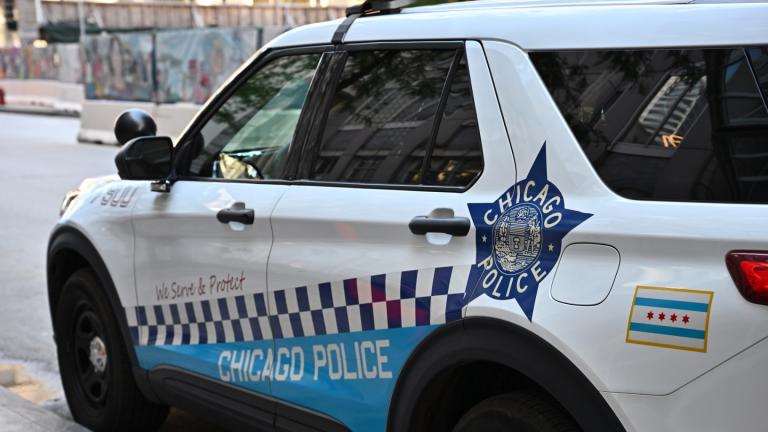
The public first caught wind of the investigation into the South Deering funeral home on Aug. 6, when Chicago police began removing remains from the facility.
Since then, more attention has focused on past transgressions of the South Chicago Chapel operators, Johanna and Clark Morgan. The state comptroller’s office previously shut down their other business, Heights Crematory, and suspended the license of one operator after finding improperly stored remains at that facility.
As the community deals with the shock, industry leaders and lawmakers are looking at what needs to change to make sure situations like those don’t happen again.
“People are picking the pieces up,” state Rep. Marcus Evans Jr. (D-Chicago) said.
“But it’s been joyous in a sense, because the community woke up,” Evans said. “Attention was brought, and a problem was stopped. But now that we’ve stopped these bad actors, moving forward hopefully … we can ensure this doesn’t happen again.”
Funeral home oversight in Illinois is split among multiple government bodies. The Illinois Department of Financial and Professional Regulation (IDFPR) issues funeral director and embalmer licenses, the comptroller’s office oversees crematoriums, and local health departments regulate sanitation.
“I think the problem with having three different entities involved, we’re not necessarily having the type of oversight that we need to have,” state Rep. Diane Blair-Sherlock (D-Villa Park) said.
While the state issues licenses to individual funeral directors, there is no statewide process for licensing facilities and no requirement for regular inspections.
Blair-Sherlock said discussions between lawmakers and industry stakeholders are still in the early stage. But she indicated hope that the General Assembly would be able to find common ground with the death care industry on regulations that could avoid future mishandling of remains.
“I think the current situation raises legitimate questions about whether our regulatory framework, taken as a whole, provides the level of oversight, communication, inspection and accountability that Illinois families deserve,” said Trevor Davies, president of the Illinois Funeral Directors Association.
“All families deserve to have somebody who’s licensed, inspected, identifiable and accountable to take care of them,” Davies said.
Whether reform looks like making a new agency, or fitting the oversight responsibilities under the umbrella of an existing agency, is still a matter of discussion according to Blair-Sherlock.
Evans echoed the need to take time to get it right, saying the discussions happening now are part of the process of good government.
“We want public trust, that’s No. 1,” Evans said. “You want discussions, you just don’t want knee-jerk reactions.”
“Families place an extraordinary amount of trust in us,” Davies said, “and that trust is something we don’t take lightly.”
Matt Masterson contributed to this report.