Science & Nature
Thursday’s Near-Total Lunar Eclipse Is One to Watch, Chicagoans Won’t See Another This Good for Years
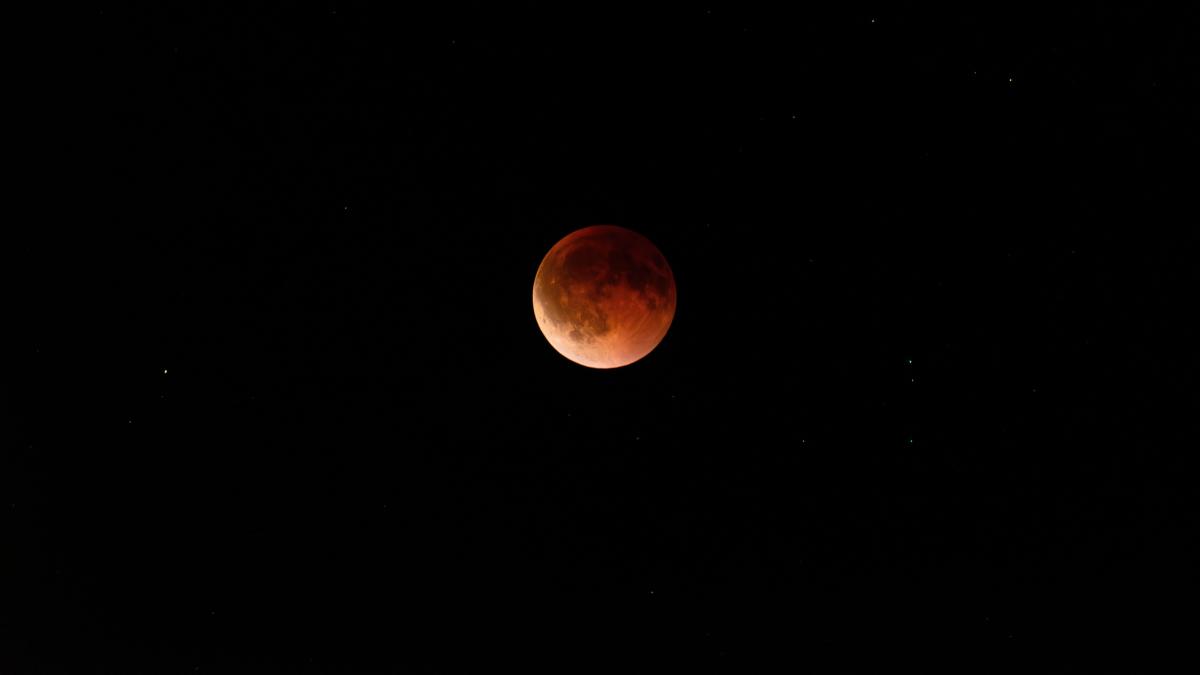 A lunar eclipse. (Oleksandr Masnyi / iStock)
A large swath of North America is in position to witness Thursday’s near-total lunar eclipse. In Chicago, the celestial show will get underway before many people’s bedtime, which is good news for groggy families re-adjusting to this week’s back-to-school morning routine.
While the eclipse will only be 96% full — so technically a partial eclipse — that’s still pretty close to total. By comparison, a 2024 partial lunar eclipse reached just 10% coverage.
This week’s lunar eclipse is also the best one Chicagoans will experience for the next few years. The big question is whether clouds will obscure the main event, so keep an eye on the forecast.
Here’s what people need to know to enjoy the eclipse.
When is it happening?
The dates are listed as Aug. 27-28 because the phases of the eclipse span several hours, from late Thursday evening into the early hours of Friday morning.
The best viewing hours in the Chicago area will be 9:33 p.m. Thursday through 12:51 a.m. Friday.
The eclipse will peak at 11:12 p.m. At that point, only a small sliver of the moon will remain bright.
Leading up to the peak, more and more of the moon will become shaded — often appearing reddish. The reverse happens after the peak, with less and less of the moon being shaded.
What is a lunar eclipse?
During a lunar eclipse, Earth is positioned between the moon and sun, and casts a shadow on the moon. (In a solar eclipse, the moon comes between Earth and the sun.)
Depending on the alignment of the Earth and moon, sometimes only the outer edge of Earth’s shadow darkens the moon; other times the heart of Earth’s shadow covers a portion of the moon — the result is a partial eclipse, ranging from barely noticeable to nearly total.
Occasionally the core of the Earth’s shadow darkens the entire moon. That’s a total lunar eclipse.
How can I watch?
Just look up.
Unlike solar eclipses, there’s no special equipment needed to view a lunar eclipse. City dwellers should find a vantage point away from trees and tall buildings.
While partial lunar eclipses aren’t rare, total lunar eclipses are visible from Chicago less frequently. The next best chance to see one will be in June 2029.
Note: This article has been updated to replace a photo. The image now depicts a lunar eclipse.
Contact Patty Wetli: [email protected]