Science & Nature
Chicago Area Under Extreme Heat Warning as Dangerous Temps Could Feel Like 110 Degrees
 (Pixabay)
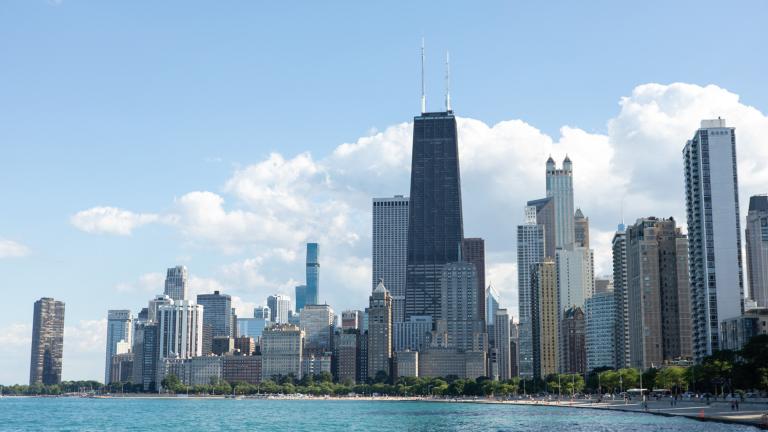
The Chicago area is under an extreme heat warning through Thursday, bringing dangerously hot conditions that could feel like 100-110 degrees, according to the National Weather Service.
City officials are asking residents to stay cool and check on neighbors, especially those who are elderly, have disabilities or have pre-existing health conditions.
Dangerous heat and humidity are expected this week, particularly Monday through Thursday with high temperatures in the mid-90s and heat index values – what temperatures will feel like when also factoring in humidity — reaching between 100 and 107 degrees.
Thunderstorm chances will increase late in the week, which may bring slight relief to the heat, but conditions will remain warm and humid, according to the NWS Chicago.
The extreme heat warning for the entire area will remain in effect through Thursday evening.
The effects of heat can sneak up on people, according Mike Bardou, a warning coordination meteorologist at the National Weather Service in Romeoville.
“Heat is kind of one of those sneaky things in a sense, relative to a thunderstorm coming or a blizzard,” Bardou said during a Monday news conference with city officials. “You don’t necessarily realize the effects until it’s too late, and the effects of heat are cumulative, so day by day that goes by that you don’t have that ability to recover or cool off, the effects are worsening.”
Public safety officials shared these tips:
- Stay hydrated.
- If you can, stay inside with air conditioning. If you do not have air conditioning, keep your blinds closed, but windows slightly open for ventilation — or visit a city cooling center.
- Check on neighbors.
- Don’t leave anyone or any pets in a parked car.
- Call 311 to report insufficient cooling in a building; wellness checks for seniors and unhoused people; and where to find your nearest cooling center.
“Let’s do what Chicagoans do best — let’s look out for one another,” Mayor Brandon Johnson said during a news conference.
Cooling centers throughout the city include six community service centers and 20 senior service centers operated by the Chicago Department of Family and Support Services. The six community service centers operate from Monday to Friday, 9 a.m. to 5 p.m.:
- Auburn Gresham Center – 1140 W. 79th Street
- Garfield Center – 10 S. Kedzie Ave.
- King Center – 4314 S. Cottage Grove
- North Area Center – 845 W. Wilson Ave.
- South Chicago Center – 8650 S. Commercial Ave.
- Trina Davila Center – 4312 W. North Ave.
Residents can also cool off at Chicago Public Library locations, Chicago Park District locations, City Colleges and Chicago Police Department district locations. To view a map of cooling centers in the city, visit chi.gov/cooling.
In 1995, Chicago experienced one of the deadliest heat waves in U.S. history, which led to the deaths of more than 700 residents – most of whom were poor, elderly and Black. The deadly heat wave further exposed stark inequalities in Chicago communities and deep flaws in the city’s emergency systems, later leading to changes to how the city responds to extreme heat.
“Chicago knows, perhaps better than any other city in America, the dangers of extreme weather, and particularly heat,” Johnson said before specifically referencing the 1995 heat wave in Chicago. “From that tragedy, the city of Chicago learned how to be more proactive, responsive to our residents.”
Note: This story was originally published June 29 and updated June 30.
Contact Eunice Alpasan: [email protected]