Arts & Entertainment
Black History Month Rings in 100 Years as Educators Push to Preserve Heritage
Carter G. Woodson established Negro History Week in 1926 — choosing the second week of February to coincide with Abraham Lincoln and Frederick Douglass’ birthdays — as a way to honor the often overlooked contributions of African Americans to American society.
It has since expanded into Black History Month.
As this month marks the commemoration’s centennial, there are efforts from the federal government to reshape how history is taught and examined by institutions. Recent actions include dismantling an exhibit about slavery at Philadelphia’s Independence Mall, removing portions of the home monument for Civil Rights icon Medgar Evers, and taking down the infamous 19th century photograph “Scourged Back” from a national park site.
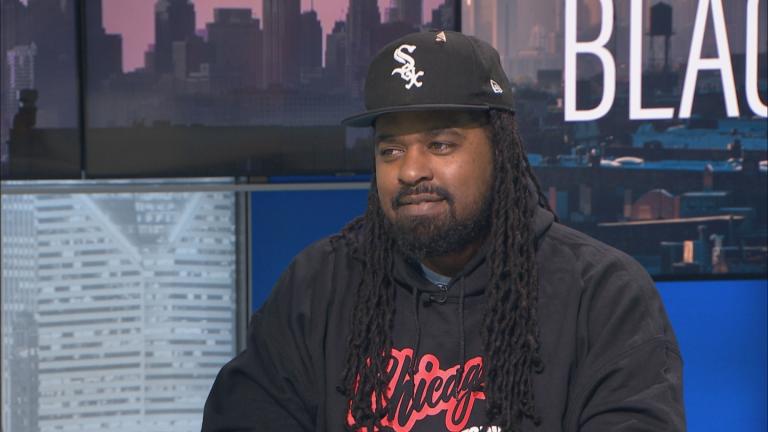
“You can’t fix anything that you’re not willing to acknowledge,” said Shermann “Dilla” Thomas, the brand ambassador and social media chief at the DuSable Black History Museum and Education Center. “Any time we try to erase what happened to Black folks here in America, it pushes us backwards in our ability to rectify it and move forward.”
Reducing or doing away with historical sites coincides with the mission outlined in President Donald Trump’s executive order from last year, “Restoring Truth and Sanity to American History,” which calls to remove items and language from institutions that “deepens societal divides and fosters a sense of national shame.”
“I think it’s an easy shot to equivocate Black culture and Black heritage with unpatriotism or un-Americanism,” said Robert Hanserd, a historian and associate professor of African American studies at Columbia College Chicago. “This is our story, this is an American story and we don’t want to miss it.”
Chicago’s role in establishing and cultivating a Black American cultural identity cannot be understated. From becoming a hot spot for southern Black migrants to being the hometown for many anti-racist activists like Prexy Nesbitt and Diane Nash, the city’s reach is global.
“I think too often we look at captivity and slavery as the origin point to investigate African American history and culture, but we need to start at Africa,” said Hanserd, emphasizing that Black history predates chattel slavery. “We need to start with these early sorts of experiences.”
For Chrishan David, a teacher at Gwendolyn Brooks High School, examining Black history is a yearlong endeavor. She was part of a pilot program started in 2022 to launch an AP African American Studies program in high schools across the nation. Four years later, it’s still going strong and has expanded to hundreds of schools. David is one of the first educators to teach the course, and she’s seen firsthand the effect studying Black history has on young minds.
“I’ve seen magical things happening with students,” David said. “They feel empowered, they have new established voices, they feel like their presence is wanted and needed. I think that the understanding of history has given them more purpose into how they’re going to move into their future.”