Science & Nature
New Female Polar Bear Coming to Brookfield Zoo This Fall, Bringing Long Gestating Hope for Cubs With Her
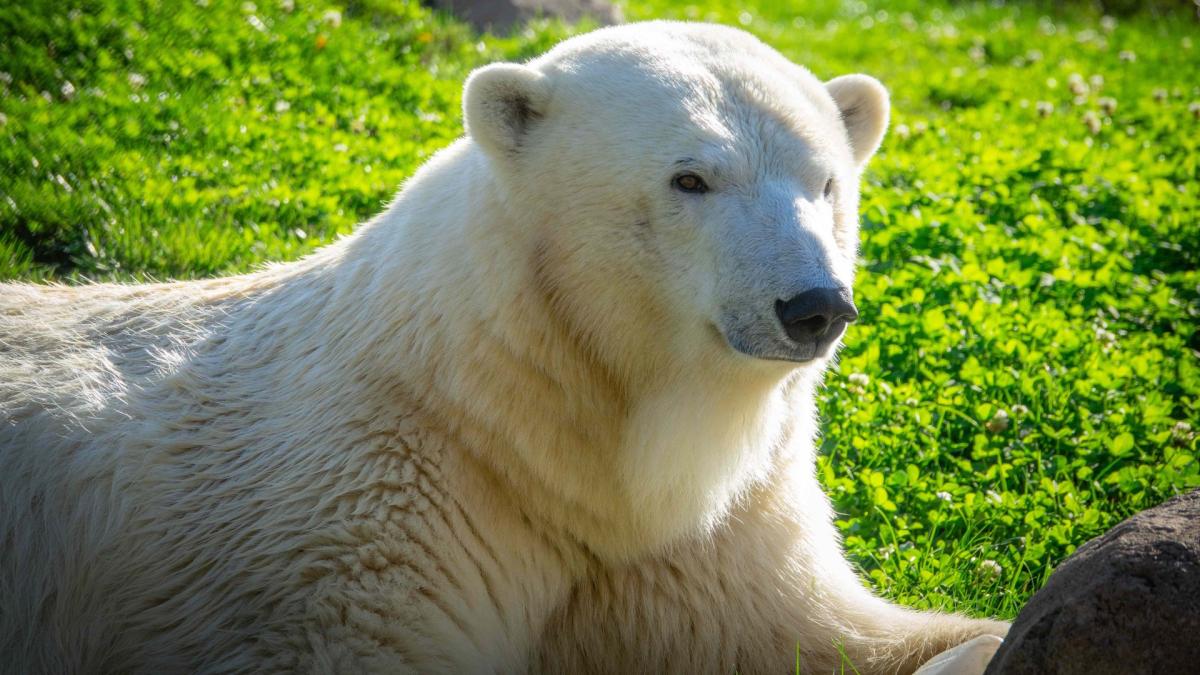 Amelia Gray, an 8-year-old female polar bear, is coming to Brookfield Zoo from Oregon, as matchmakers hope she'll mate with Brookfield's male, Hudson. (Courtesy of the Oregon Zoo)
Not even the best matchmakers bat a thousand.
Brookfield Zoo had great expectations back in 2021 when Hope, a 5-year-old female polar bear, arrived at the zoo from Utah and was introduced to Hudson, Brookfield’s longtime bachelor.
But as each spring mating season passed, highly anticipated cubs never materialized.
So it’s back to the drawing board. On Thursday, Brookfield Zoo announced that Amelia Gray, an 8-year-old female, will be making the move from the Oregon Zoo to Chicago’s suburbs, where she’ll also be paired up with Hudson.
“We’re really going to miss her. But we’re also excited that she’ll get to spend time with a male bear — and hopefully be able to raise some cubs,” Rachel Ritchason, the Oregon Zoo’s deputy director of animal care, said in a statement to The Oregonian. “Our goal is to ensure a long-term future for one of the world’s most vulnerable species.”
Amelia is expected to arrive at Brookfield Zoo Chicago later in the fall. She’ll acclimate first to her new habitat before being introduced to Hope and, eventually, Hudson. Guests may be able to see her by mid-October, zoo officials said.
The outlook for polar bears in the wild is dire, with some projections estimating that up to two-thirds of the remaining population could disappear by the end of the century, according to Brookfield Zoo.
“With declining populations in the wild, zoos play an invaluable role in understanding polar bears and ways we can help protect their populations in the wild,” Mark Wanner, Brookfield’s associate vice president of animal care and conservation, said in a statement.
Due to the inherent challenges of studying wild polar bears in their Arctic home, scientists gather critical knowledge about the species from zoos and aquariums. In 2019, Brookfield’s animal health and welfare team completed the first-ever CT scan on a living polar bear, the results of which established vital medical baselines.
Bears in captivity even assist in the evaluation of new tools, such as advanced tracking systems, according to Brookfield Zoo.
“We still have gaps in understanding how climate change is affecting wild polar bears, and it’s essential that the bears in professional care help scientists learn more about their species,” said Amy Cutting, vice president of conservation at Polar Bears International, in a statement.
Contact Patty Wetli: [email protected]