

Illinois State Board of Education
The 409-page document includes a disclosure that some of the content was developed with the use of AI tools like ChatGPT.
State and national test scores have shown proficiency rates in math are consistently below those in English language arts.
Money that lawmakers approved to fund after-school programs this year was not distributed until April, leaving organizations only a few months to spend those funds or return the money to the state.

Changes to SNAP and Medicaid eligibility are seen as possible reasons for the drop in low-income numbers. These changes could have a direct impact on the amount of state funding school districts receive.
The budget request for the upcoming fiscal year calls for only a minimal increase in K-12 education spending, a reflection of the state’s tightening fiscal condition.
The state’s 2025 report card showed only 38.4% of Illinois students overall scored proficient or better in math, compared to 52.4% in English language arts.
The Illinois State Board of Education next month will begin hosting listening sessions around the state on the first draft of its Comprehensive Numeracy Plan, which the board said will provide guidance that supports educators, schools and districts in advancing student success in math.
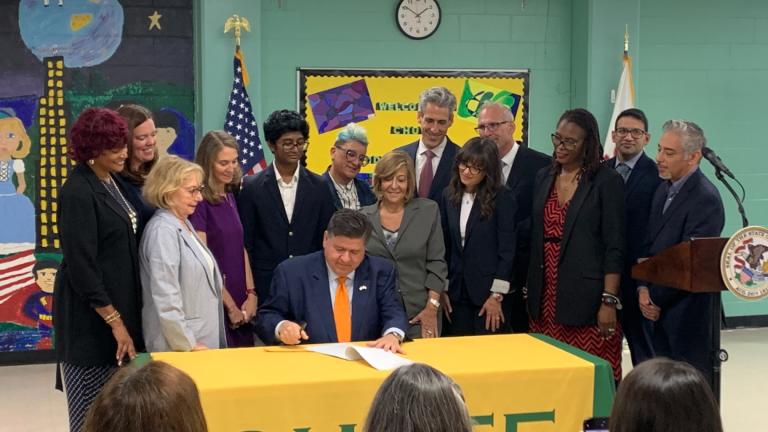
The bill requires all school districts to offer mental health screenings to students enrolled in grades 3-12, at least once a year, beginning with the 2027-2028 school year.

The study found students from lower-income families tend to earn less than those from wealthier families, even after they went on to earn similar credentials.
The U.S. Department of Education has launched investigations into Chicago Public Schools, the Illinois State Board of Education and Deerfield Public Schools alleging violations of sex discrimination.
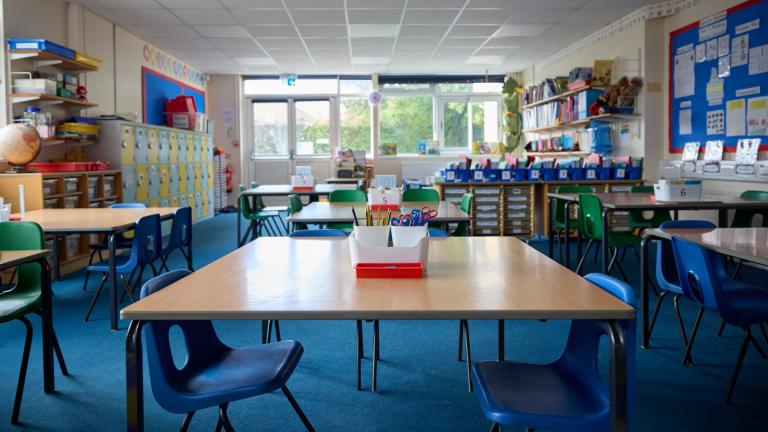
The Illinois State Board of Education and Illinois Association of Regional Superintendents of Schools each released findings Monday which showed, for the first time in several years, that the state is seeing some improvements in the number of educator hires.
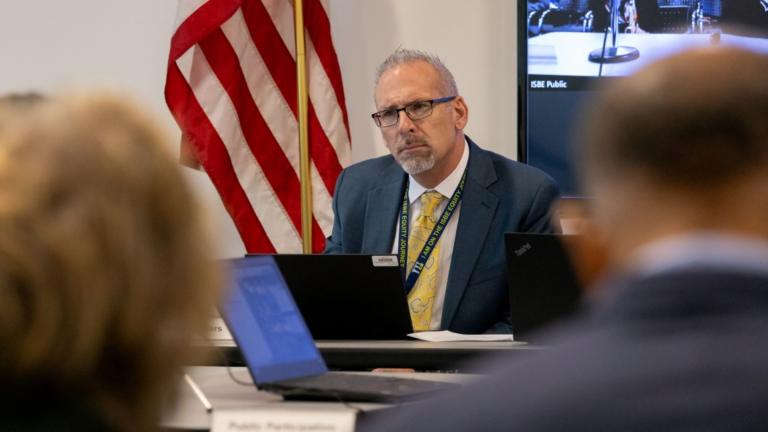
State Superintendent Tony Sanders acknowledged that roughly 10% of funding for Illinois school districts could be at risk if the federal government ceases funding. ISBE receives billions annually from the federal government.
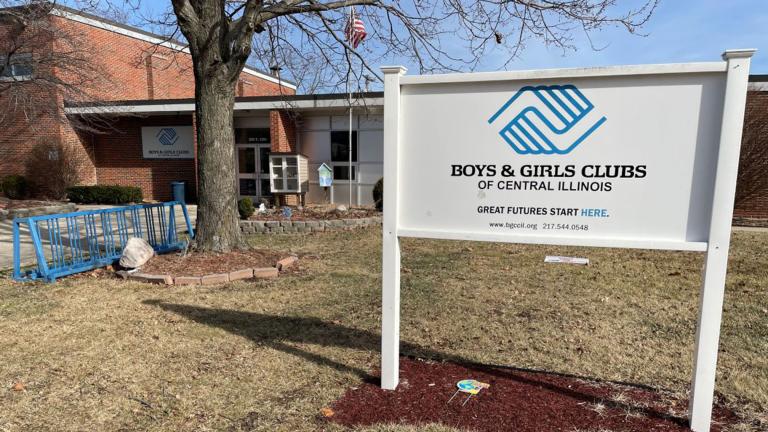
The organizations say tens of thousands of students are being denied access to services because the money is not being spent.
Despite the attorney general’s declaration that Illinois schools should stop using police to discipline students, officers statewide continue to ticket kids with costly fines. One lawmaker will again pursue legislation to end the practice.
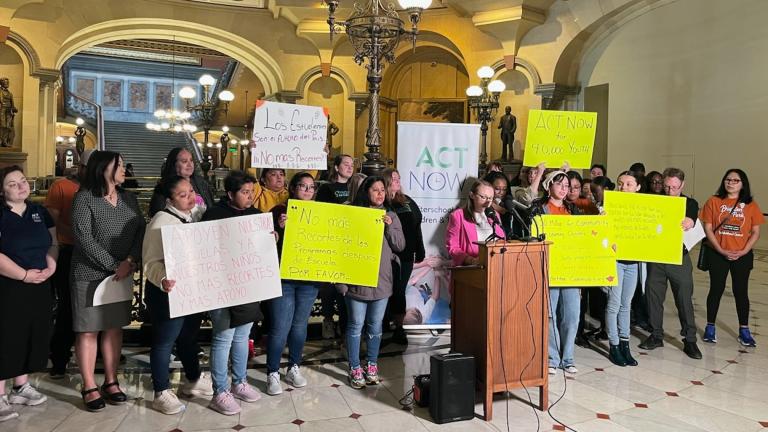

Illinois lawmakers previously approved $50 million for after-school and summer programs, but that funding hasn’t reached schools yet. This delay leaves Chicago Public Schools and local organizations facing difficult budget cuts.
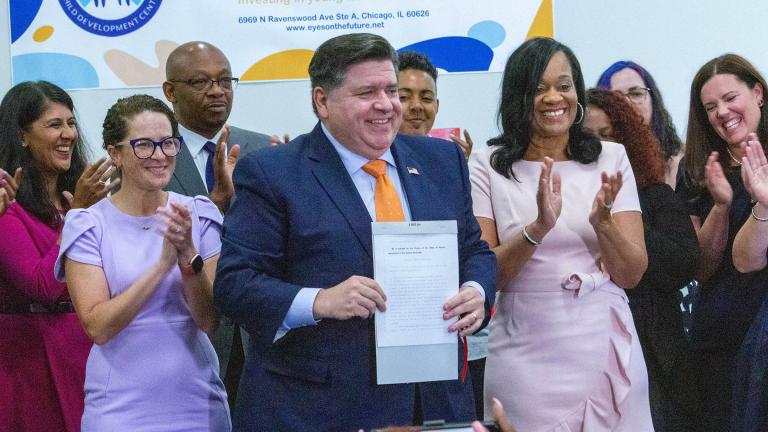
The new Department of Early Childhood, which will become operational in July 2026, will take over programs currently housed across three state agencies, including funding for preschool programs, child care centers and the licensing of day care centers.
Trending
Pair of Chicago Elementary Schools Named Top in Illinois in New U.S. News Rankings

Mother-Son Reunions Among Latest Milestones for Shedd’s Rescued Belugas

Migration Mass Casualty With At Least 1,000 Birds Injured or Killed This Weekend in Chicago and on Northwestern’s Campus

Early Voting for November General Election Expands in Chicago, Suburban Cook County
Giannoulias, Quigley, Wilson — But Not Johnson — Among First to File Signatures Ahead of Chicago’s February Mayoral Election
Sign up for the WTTW News newsletter