

SNAP
The findings come amid federal cuts to safety net programs like SNAP, along with rising costs and insufficient wages, which are forcing residents to choose between groceries and other essentials like housing and medicine, according to the report.
The $70 million program can support up to 175,000 Illinoisans who lost or received reduced SNAP benefits due to changes in eligibility. No paperwork or application is required; the one-time benefits are issued automatically.

According to the Illinois Department of Human Services, more than 12 million monthly SNAP payments are made to more than 1.9 million people in Illinois.
The changes to SNAP outlined in what President Donald Trump dubbed the “One Big Beautiful Bill Act” go into effect this month and require thousands of Illinois households to fulfill new work requirements or submit for an exemption.
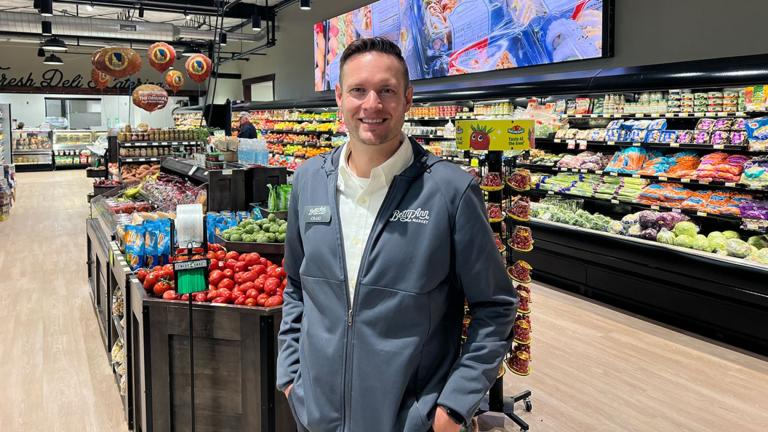
When households lose their benefits, they spend less at the grocery store, and the already-thin profit margins of independent grocers become even slimmer.

Changes to SNAP and Medicaid eligibility are seen as possible reasons for the drop in low-income numbers. These changes could have a direct impact on the amount of state funding school districts receive.
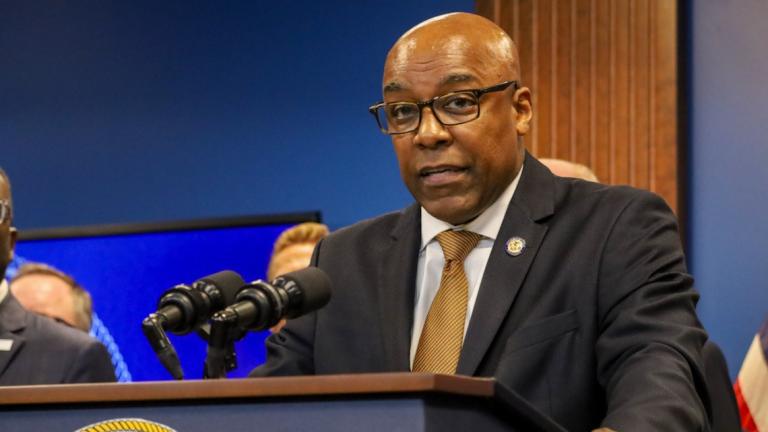
Illinois has filed or joined 51 lawsuits against the Trump administration between January 2025 and January 2026, challenging a wide range of executive orders, funding freezes and regulatory changes.
More than 300,000 Illinoisians who receive SNAP benefits could be affected, according to officials from the Illinois Department of Human Services.
Many Chicagoans impacted by the new rules live in divested neighborhoods already suffering from a lack of access to nutritious food.
The order, which is three sentences long and comes with no explanation on the court’s thinking, will expire just before midnight Thursday.
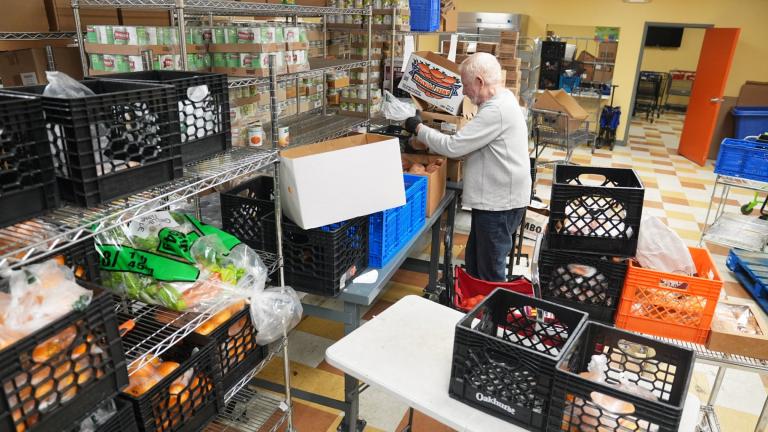
The request is the latest in a flurry of legal activity over how the program that helps 42 million Americans buy groceries should proceed during the historic U.S. government shutdown.

A federal judge in Rhode Island said Thursday that the Trump administration must fully cover food stamp benefits for tens of millions of Americans in November.

The government shutdown is poised to become the longest ever this week as the impasse between Democrats and Republicans has dragged into a new month.

The program serves about 1 in 8 Americans and is a major piece of the nation’s social safety net. It costs about $8 billion per month nationally.
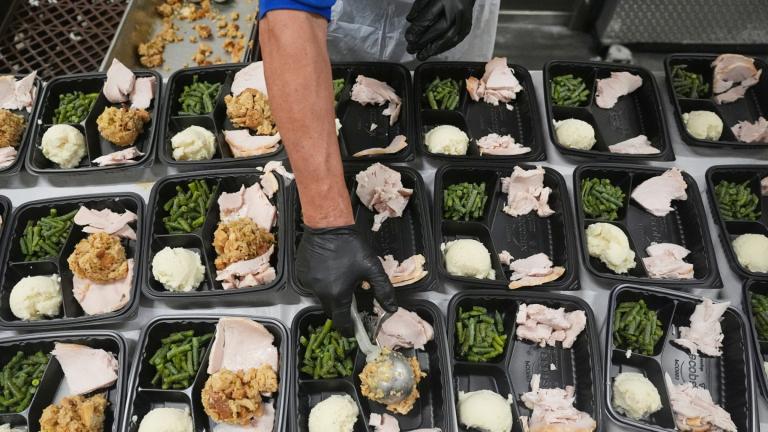
The program serves about one in eight Americans and is a major piece of the nation’s social safety net. Word in October that it would be a Nov. 1 casualty of the shutdown sent states, food banks and SNAP recipients scrambling to figure out how to secure food.
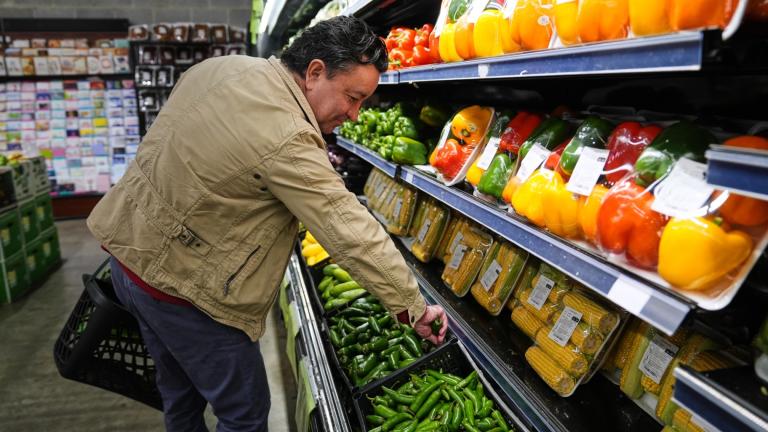
“You are not going to make everyone drop dead because it’s a political game someplace,” U.S. District Judge Indira Talwani said in court.
Trending
Pair of Chicago Elementary Schools Named Top in Illinois in New U.S. News Rankings

Mother-Son Reunions Among Latest Milestones for Shedd’s Rescued Belugas

Migration Mass Casualty With At Least 1,000 Birds Injured or Killed This Weekend in Chicago and on Northwestern’s Campus

Early Voting for November General Election Expands in Chicago, Suburban Cook County

Giannoulias, Quigley, Wilson — But Not Johnson — Among First to File Signatures Ahead of Chicago’s February Mayoral Election

Sign up for the WTTW News newsletter