

Data Centers
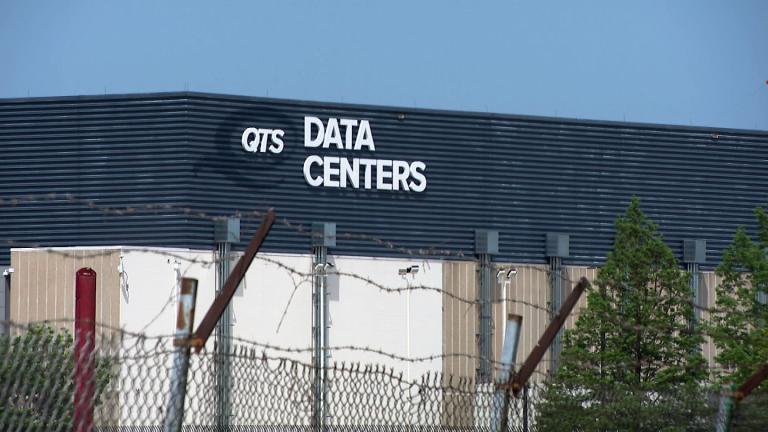

Large, resource-intensive data centers have drawn increased public attention in recent years as their construction ramped up around the country. But in an urban environment like Chicago, data centers of all sizes can have a big impact.
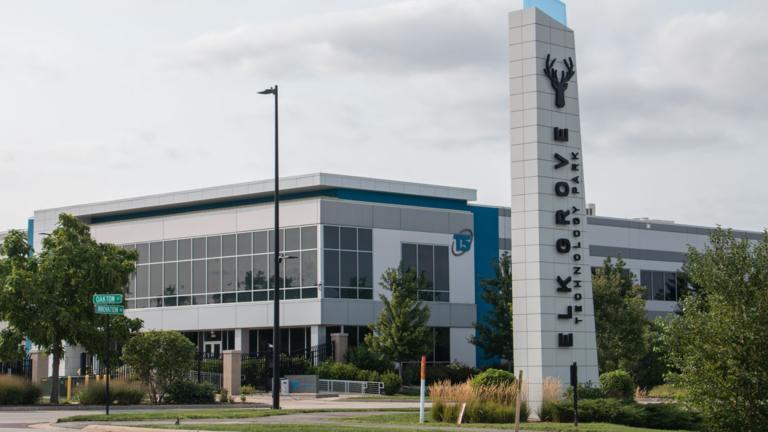
The race to build data centers, which power artificial intelligence and cloud computing, has run aground amid frustration from voters who don’t want to live near the massive warehouse campuses.
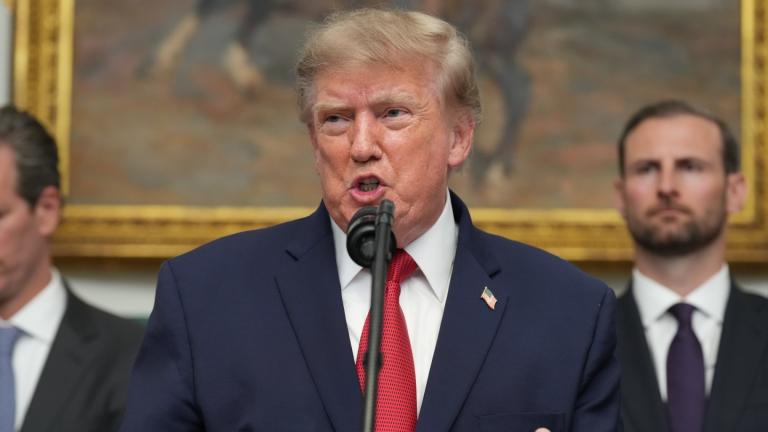
Democratic Gov. JB Pritzker once championed data centers. But as they have scaled up, he’s paused state incentives and his position has evolved to one of “responsible growth.” Republican candidate Darren Bailey has both criticized Pritzker’s pause of the tax incentive program and claimed credit for inspiring it.
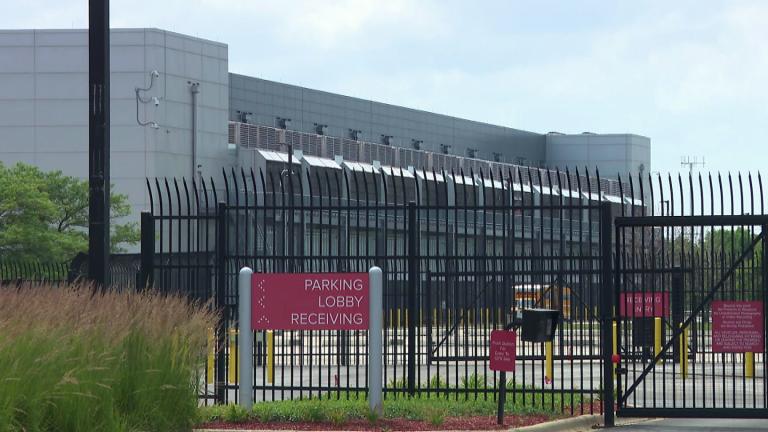
What Does Sustainable Data Center Development Look Like? Chicago Working Group Makes Recommendations
Public concern has grown around data centers’ energy usage, noise pollution, water consumption and emissions. Now, as Chicago leaders race to catch up, they won’t be starting from square one.
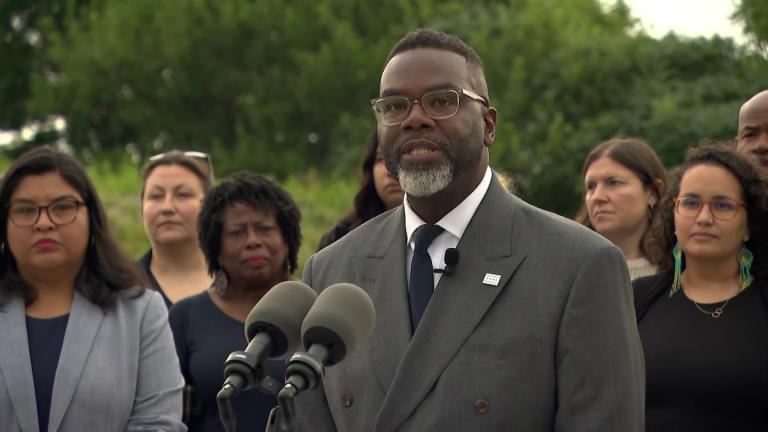
“Chicagoans have been absolutely clear: They do not want data centers expanding across our city without strong protection for their communities, their utility bills, their air, water and their quality of life,” Mayor Brandon Johnson said.
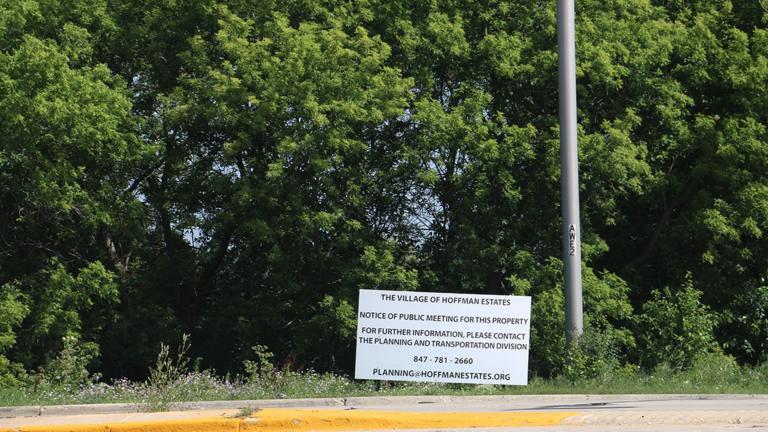
State lawmakers failed to pass a legislation this spring that would help the state regulate the growing data center industry, and Gov. JB Pritzker suspended state incentives for new data center projects.
Data centers are a hot topic in Illinois and around the country. Alongside more construction comes more public scrutiny.
Commonwealth Edison, Chicago’s primary electricity distributor, announced in May that its customers should expect monthly bills to increase by $2 to $3 beginning June 1.
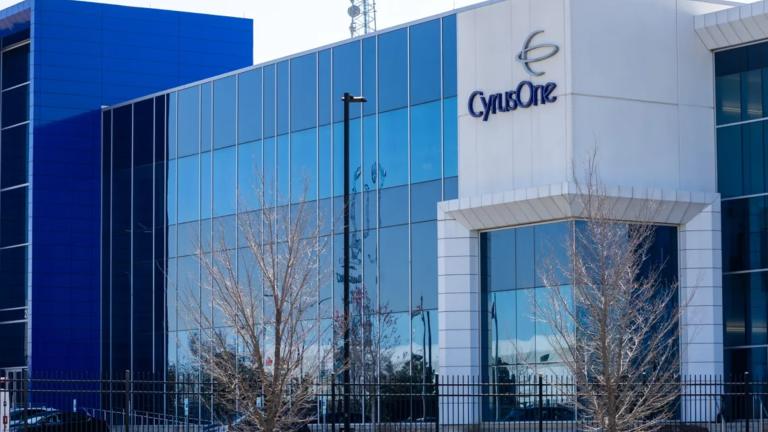
Data center projects around Illinois are expected to generate millions in taxes, which contribute to schools and city services. There are leaders who question whether the benefits make up for increased energy prices and water use.
Calls for regulation are bipartisan, but the specifics are still being negotiated between lawmakers, data center companies and trade groups.
Gov. JB Pritzker has also proposed a two-year pause on state financial incentives for data centers that have been in place since 2019.
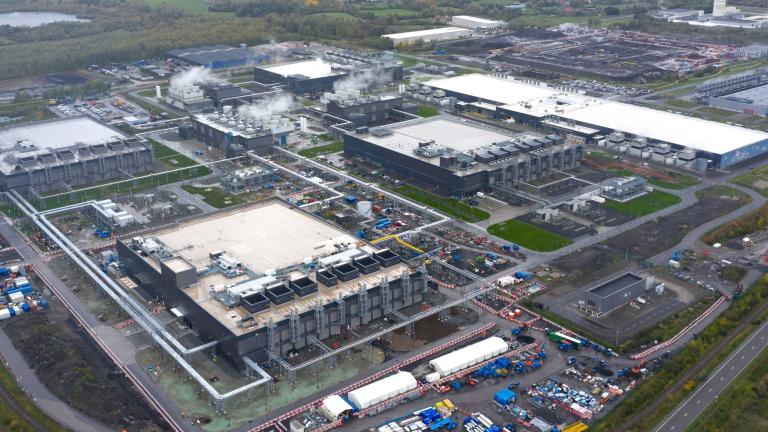
Illinois state legislators are proposing the Power Act, which would put guardrails around the rapid expansion of large-scale data centers.
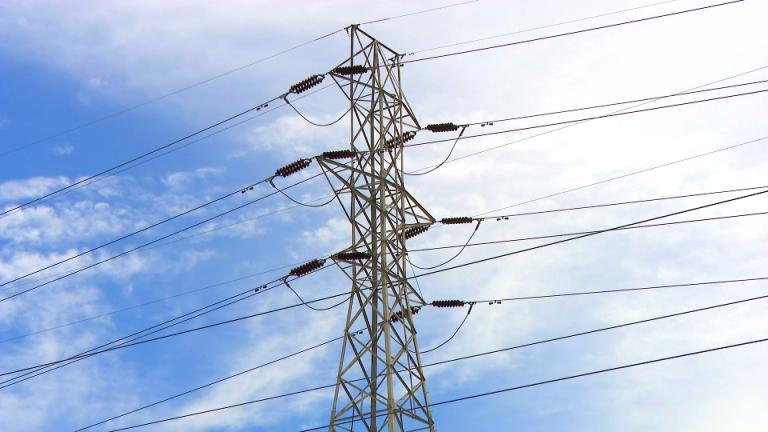
The Citizens Utility Board is sounding the alarm on data centers’ growing demand on the electrical grid, saying Illinois consumers can expect higher electric bills.
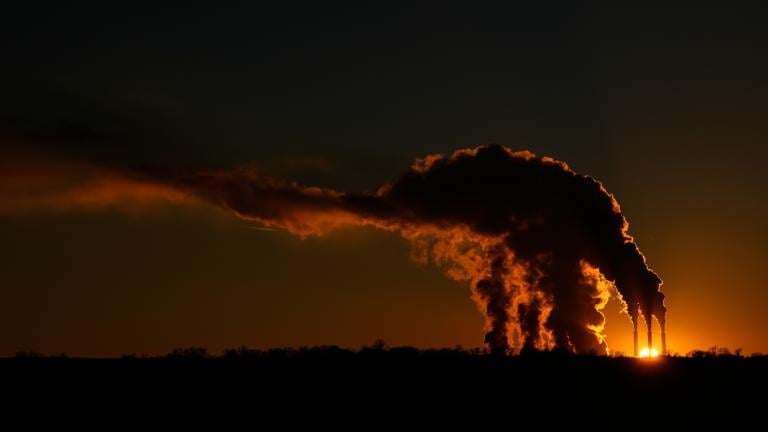
In a reversal from previous years’ pollution reductions, the United States spewed 2.4% more heat-trapping gases from the burning of fossil fuels in 2025 than in the year before, researchers calculated in a study released Tuesday.
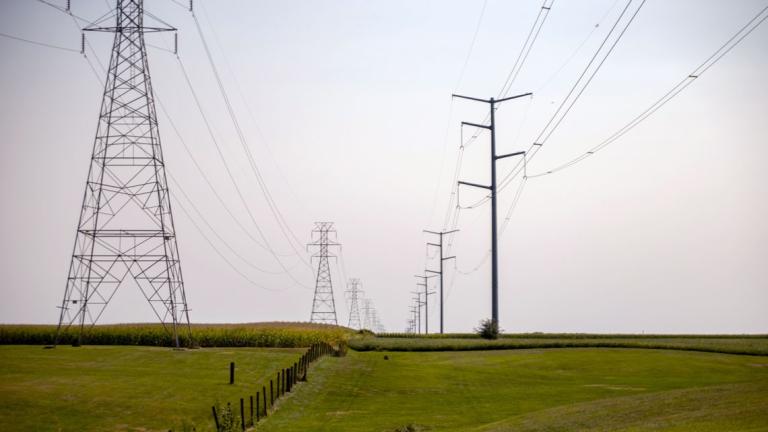
A new report by state regulators projects energy shortfalls will begin in northern Illinois by 2029 and the rest of the state by 2031 if lawmakers and grid operators don’t act.
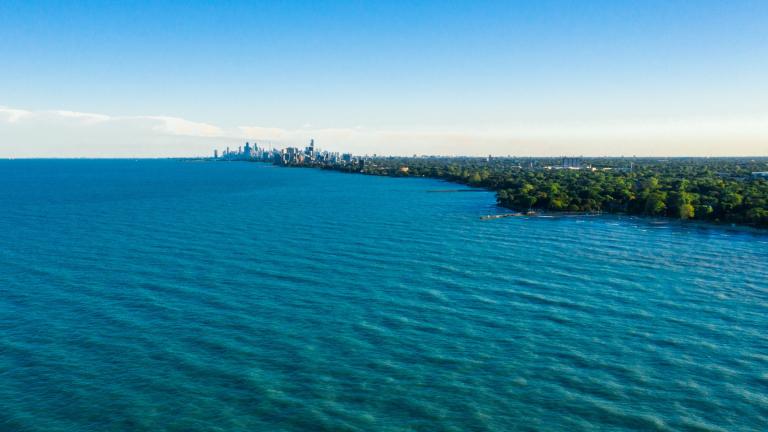
A new report explores how unprecedented levels of consumption by heavy water users — namely “hyperscale” data centers — could lead to conflicts over and even shortages of water, even in the Great Lakes.
Trending
Who Is Running, or Thinking About Running, to Become Chicago’s Next Mayor

Suspend CPD Officers, Sergeant Repeatedly Accused of Making Improper Traffic Stops for a Combined 330 Days: Police Brass

Johnson’s Debt Refinancing Plan Results in Just Half of What He Promised, Forcing Officials to Scramble to Fill Budget Gap

Hilario Dominguez, Candidate for CPS Board President, Defends Conduct as Watchdog Reopens Probe Into Inappropriate Behavior Allegations

No Tax Hikes or Layoffs Needed to Close Cook County’s $550M Gap Thanks to ‘Budget Magic’: Preckwinkle
Sign up for the WTTW News newsletter