

James Webb Space Telescope
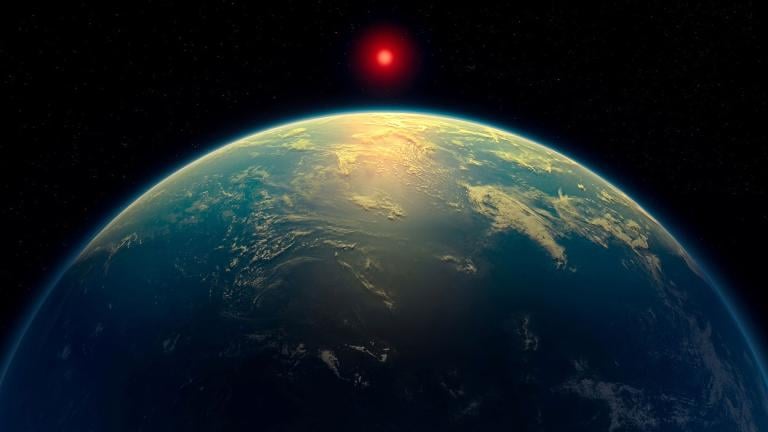

Using the James Webb Space Telescope, researchers said they were able to detect signs of sulfur-based molecules called dimethyl sulfide or DMS, which on Earth are only produced by life, primarily marine phytoplankton.

Earendel is so distant that the starlight glimpsed by the Webb telescope was emitted within the first billion years of the universe. The universe is estimated to be about 13.8 billion years old.
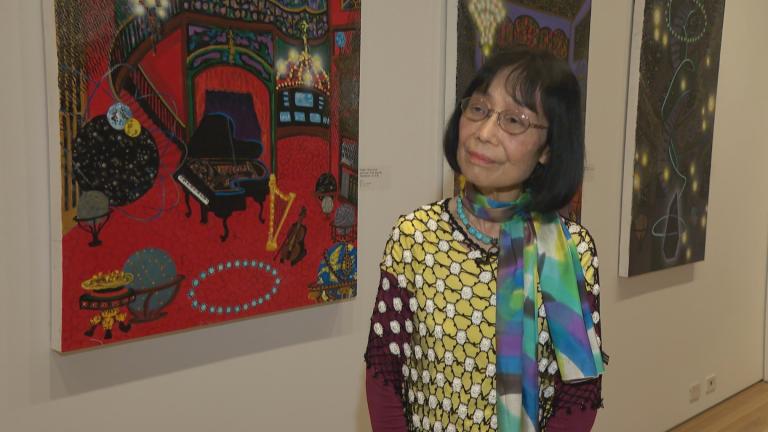
The unpopulated environments created by Michiko Itatani suggest settings for sci-fi stories, filled with rockets, planets, books and music. In short, art and science. The work is about inner space – and outer space.
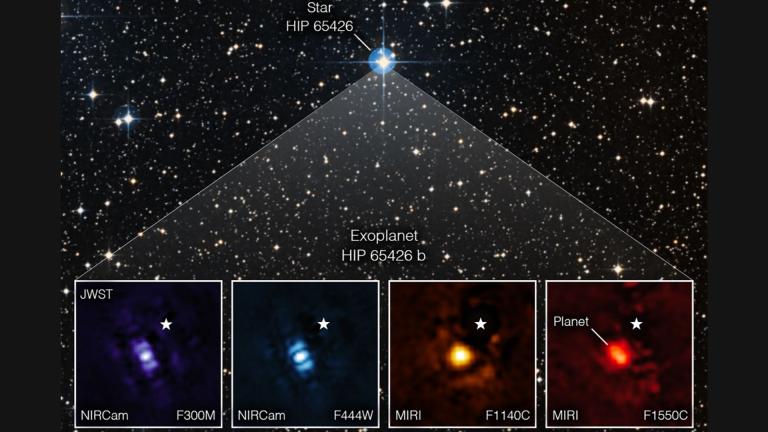
For the first time, the James Webb Space Telescope has been used to directly image an exoplanet — that’s a planet outside of our solar system. A Northwestern astronomer was part of the team.
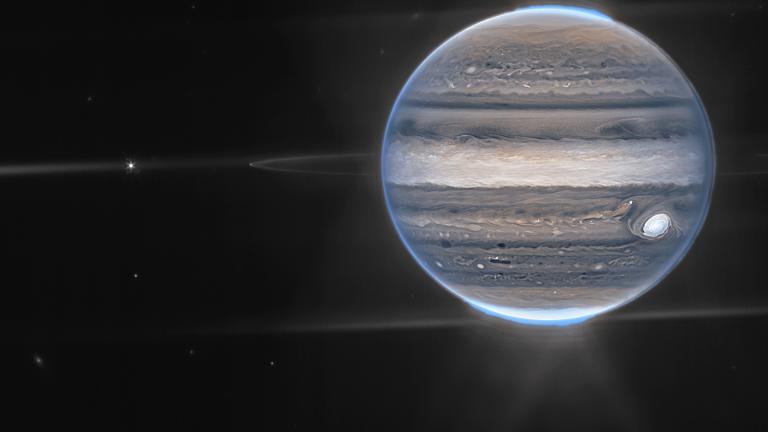
The James Webb Space Telescope took the photos in July, capturing unprecedented views of Jupiter’s northern and southern lights, and swirling polar haze.
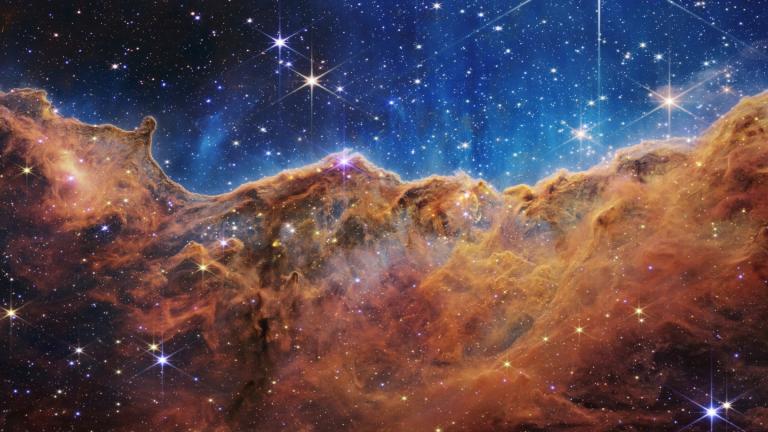
Tuesday’s releases showed parts of the universe seen by other telescopes. But Webb’s sheer power, distant location from Earth and use of the infrared light spectrum showed them in a new light that scientists said was almost as much art as science.
Trending
A CTA Bus Driver Was Attacked on the Job. She Was Later Fired While on Leave

Cost to Resolve Lawsuits Tied to Disgraced Ex-CPD Detective Reynaldo Guevara Tops $473M, With 25 Lawsuits Pending

Pritzker, Bailey Square Off in Contentious Discussion Over Taxes, Trump and Bears

Car Registered to Man Accused of Planning Mass Shooting Was at Hindu Temple He Targeted, Police Say
After City Council Refused to Settle, Jury Rejects Lawsuit Filed by Family of Woman Killed by Driver Chased by CPD

Sign up for the WTTW News newsletter