

food insecurity
The findings come amid federal cuts to safety net programs like SNAP, along with rising costs and insufficient wages, which are forcing residents to choose between groceries and other essentials like housing and medicine, according to the report.

According to the Illinois Department of Human Services, more than 12 million monthly SNAP payments are made to more than 1.9 million people in Illinois.
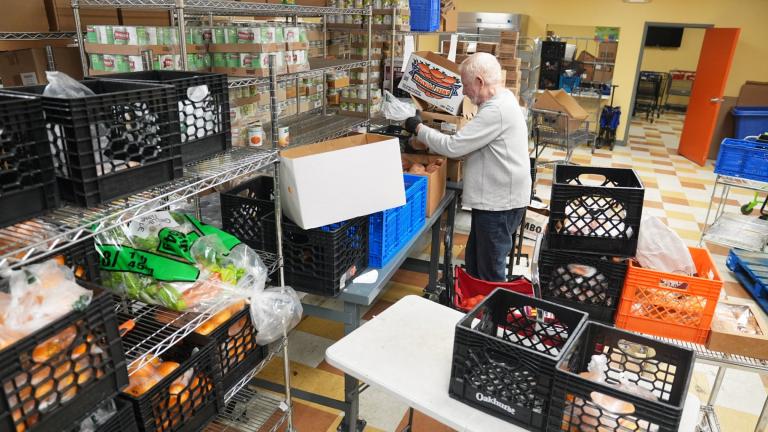
The grants come as thousands of Illinoisans are losing access to federal food assistance, placing more strain in local food pantries.
The changes to SNAP outlined in what President Donald Trump dubbed the “One Big Beautiful Bill Act” go into effect this month and require thousands of Illinois households to fulfill new work requirements or submit for an exemption.
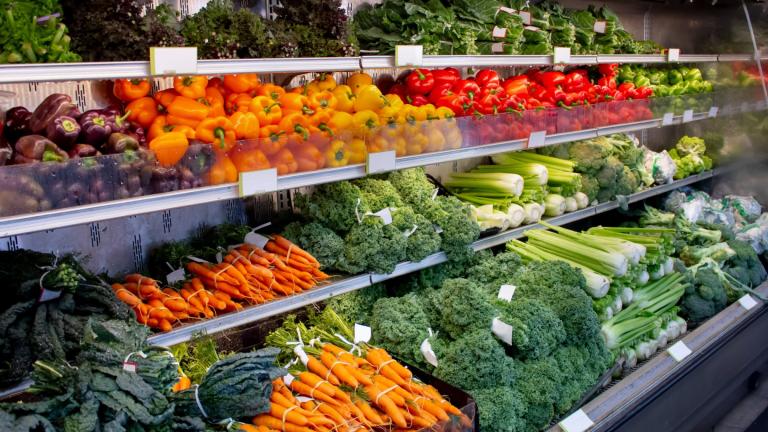
More than 300,000 Illinoisians who receive SNAP benefits could be affected, according to officials from the Illinois Department of Human Services.
Many Chicagoans impacted by the new rules live in divested neighborhoods already suffering from a lack of access to nutritious food.
The order, which is three sentences long and comes with no explanation on the court’s thinking, will expire just before midnight Thursday.
The request is the latest in a flurry of legal activity over how the program that helps 42 million Americans buy groceries should proceed during the historic U.S. government shutdown.
The program serves about one in eight Americans and is a major piece of the nation’s social safety net. Word in October that it would be a Nov. 1 casualty of the shutdown sent states, food banks and SNAP recipients scrambling to figure out how to secure food.
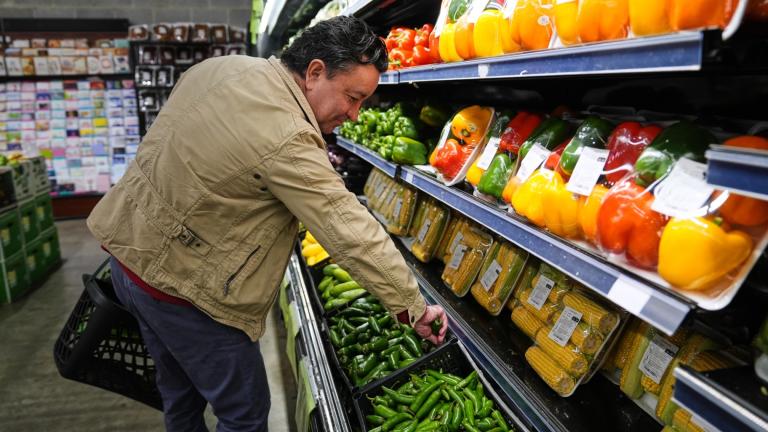
“You are not going to make everyone drop dead because it’s a political game someplace,” U.S. District Judge Indira Talwani said in court.
Nearly 2 million Illinois residents, including 900,000 people in Cook County, face losing their benefits from the Supplemental Nutrition Assistance Program if Congress fails to pass a budget by Nov. 1.
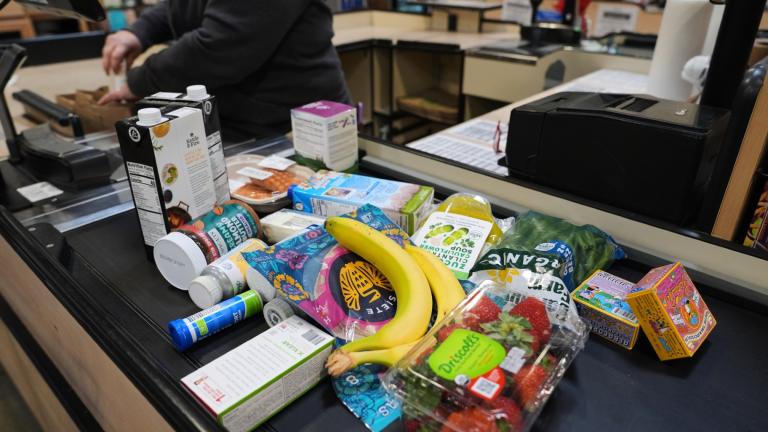
Starting Saturday, cards that SNAP beneficiaries use to buy groceries will not be reloaded after the Trump administration said last week it won’t use a roughly $5 billion contingency fund to keep funding the program next month.

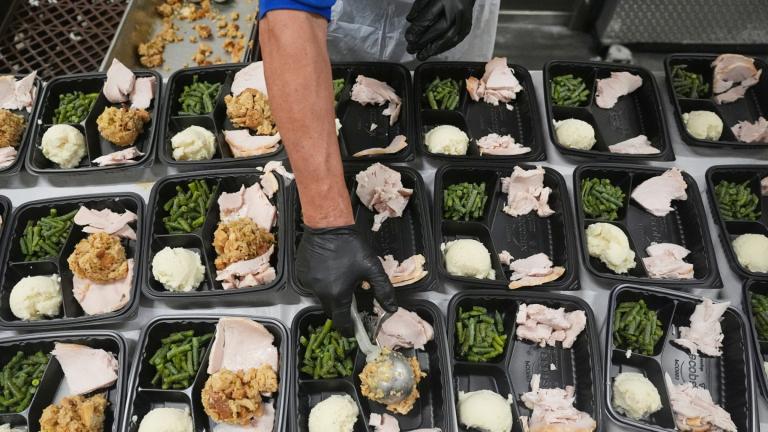
This fall, free take-home meals at Malcolm X College, Kennedy-King College and Olive-Harvey College will be available for students and their family members.
More than 1 million Illinois residents have benefitted from an educational program that teaches SNAP recipients about nutrition.

Compared with eligible people who were not participating in the U.S. Supplemental Nutritional Assistance Program, SNAP participants showed a slower decline in cognitive function during a 10-year period, essentially maintaining up to three additional years of cognitive health, according to a new study.
In Illinois, 1.9 million residents receive SNAP benefits, including more than 891,000 people in Cook County. Approximately 3.4 million Illinoisans are covered by Medicaid.
Trending
Pair of Chicago Elementary Schools Named Top in Illinois in New U.S. News Rankings

Mother-Son Reunions Among Latest Milestones for Shedd’s Rescued Belugas

Migration Mass Casualty With At Least 1,000 Birds Injured or Killed This Weekend in Chicago and on Northwestern’s Campus

Early Voting for November General Election Expands in Chicago, Suburban Cook County
Giannoulias, Quigley, Wilson — But Not Johnson — Among First to File Signatures Ahead of Chicago’s February Mayoral Election

Sign up for the WTTW News newsletter