

Michelle Nichols
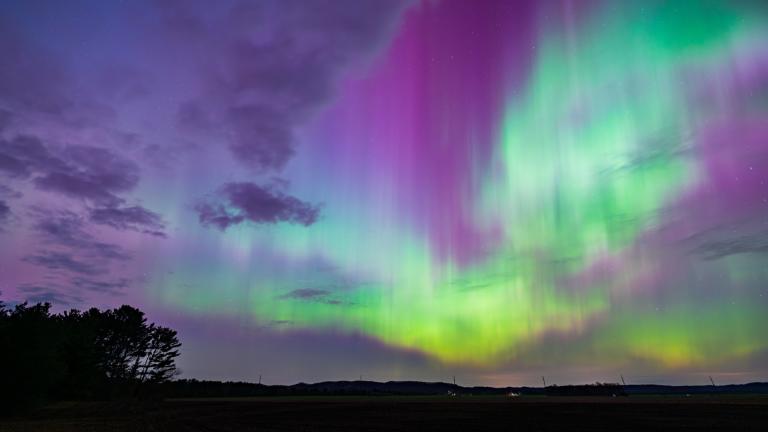
Chicagoans — and folks across the country — were treated to a dazzling display of the aurora borealis (northern lights) Tuesday night and there could be an encore in the works Wednesday.
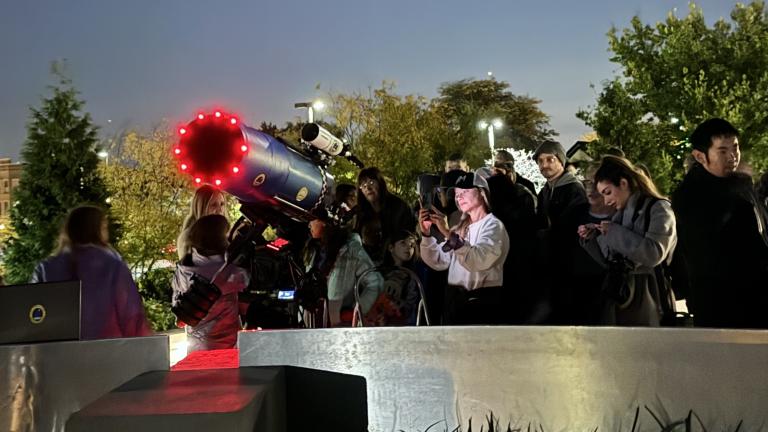
A pair of newly identified comets are jointly appearing in the October sky, and it’s possible to see both — if you know where to look and when.
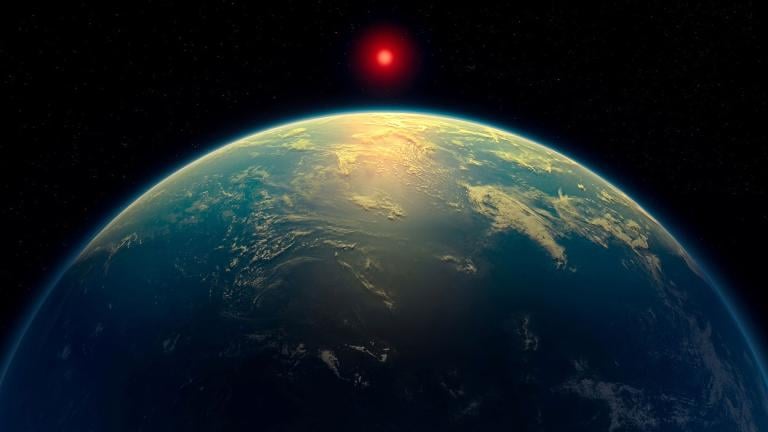

Using the James Webb Space Telescope, researchers said they were able to detect signs of sulfur-based molecules called dimethyl sulfide or DMS, which on Earth are only produced by life, primarily marine phytoplankton.
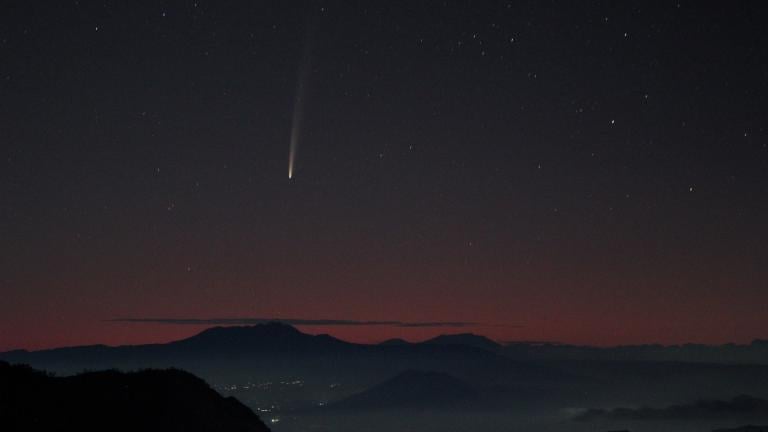
Comet Tsuchinshan–ATLAS is one of the brightest in years. We've got tips on how to view this visitor from the outer solar system, even in Chicago.
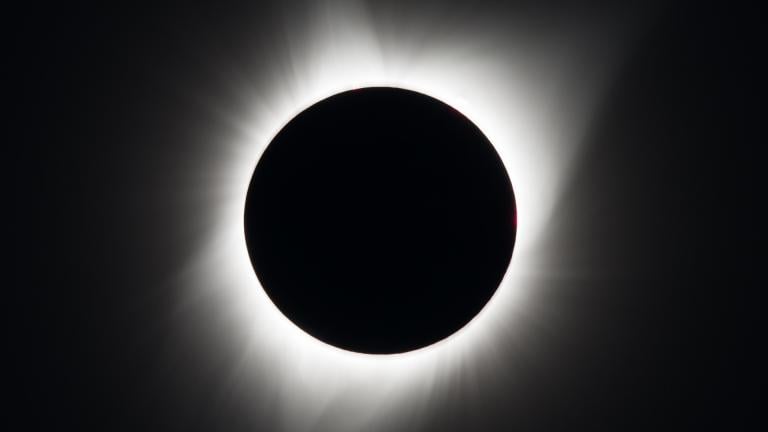
The Great American Eclipse is almost here. Here’s how to make the most of the experience in Illinois and the Chicago area.
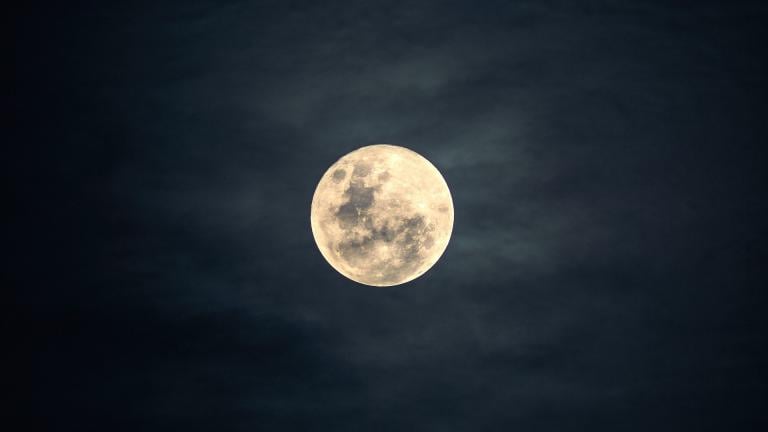
Sky watchers will have their eyes peeled Wednesday night for a rare-ish celestial event: an “eclipse” of Mars.
If the skies are clear, Chicagoans will have an excellent chance of seeing the eclipse Friday morning, with the best hours for viewing the event being approximately 1:30-4:30 a.m.
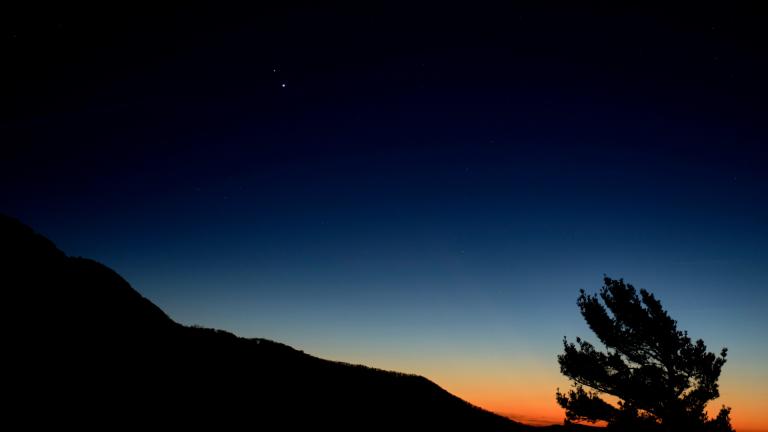
Jupiter is preparing to pass Saturn, an event known as a great conjunction. On Dec. 21, the two planets will come closer to each other than they’ve been in nearly 400 years — and it will be visible to the naked eye.
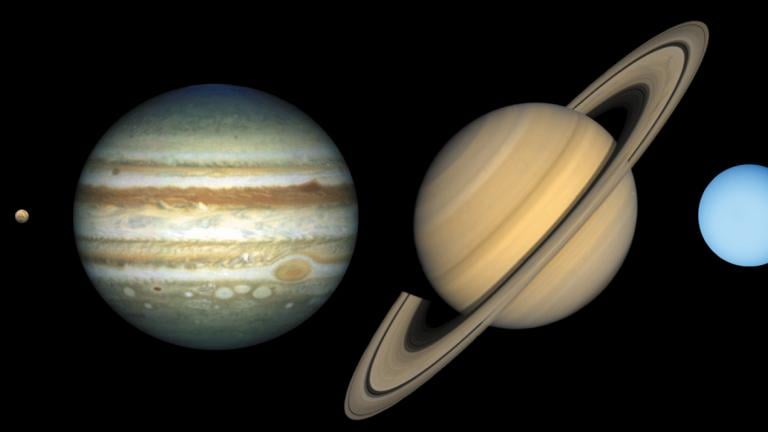
For the first time in a decade, five planets will be visible at the same time in the pre-dawn sky – and you won't need a telescope to see them.
Trending
Mother-Son Reunions Among Latest Milestones for Shedd’s Rescued Belugas

Republican Ohio Gov. Mike DeWine Denounces Ramaswamy Ad Featuring Democrat Amy Acton’s Estranged Mother

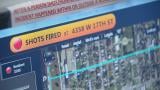
Chicago to Test New Gunshot Detection System in 6 South, West Side Districts: Johnson
CTA to Suspend Loop Elevated Train Service This Weekend for Track Maintenance

Mayor Johnson Again Proposes Corporate Tax Hikes to Bridge Budget Gap; Says City Must Borrow $481M to Resolve Police Misconduct Lawsuits
Sign up for the WTTW News newsletter