

Weather
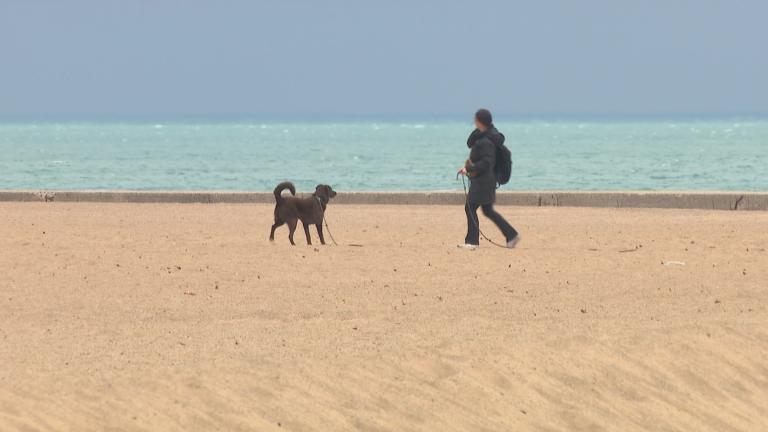

Temperatures reached a high of 57 degrees in Chicago on Thursday. As the city experiences an El Nino year, 2024 is seeing temperatures about 1 to 3 degrees above average.
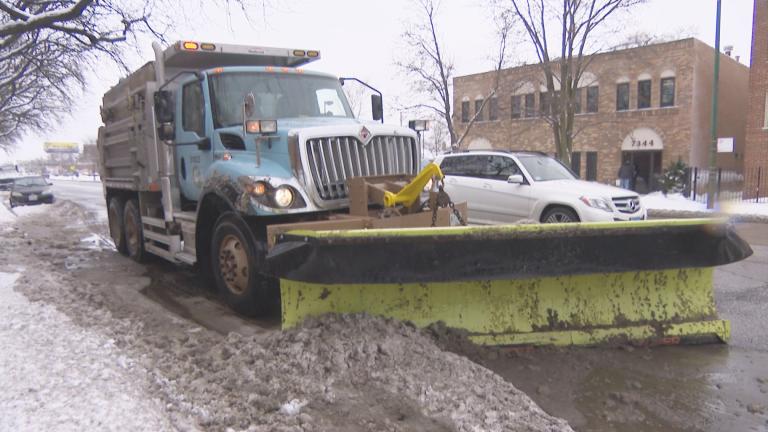
The results of Department of Streets and Sanitation's snowplow naming contest are in and we can confirm that Chicago truly is a Tom Skilling kind of town.
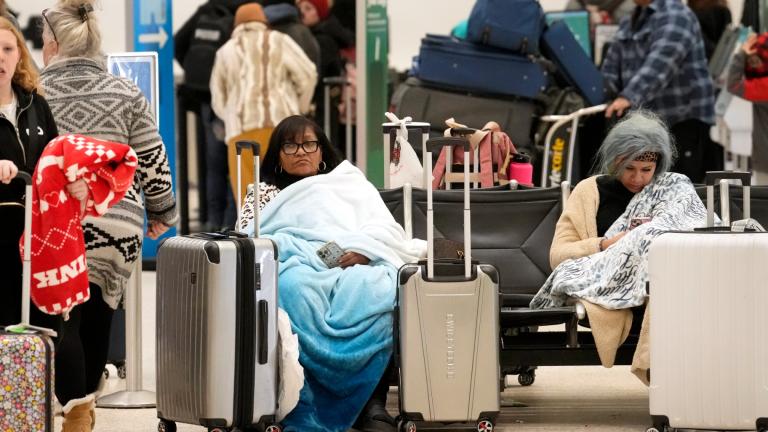
Airlines can’t control the weather, but they are still required to provide refunds for customers whose flights are canceled. Here’s what to know about your rights, and what to know when cancellations start piling up.
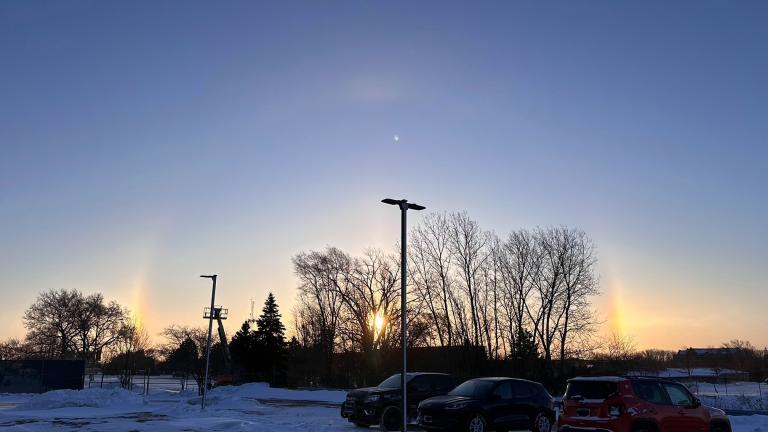
Sundogs form when waves of sunlight pass through ice crystals suspended in clouds. They resemble rainbows or halos, or can even resemble a second sun.
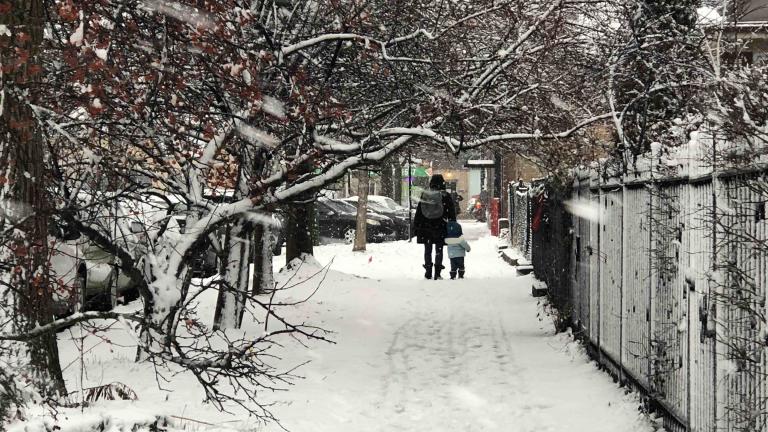
CPS announced classes will be in session for all students Wednesday as the frigid temperatures the city has seen this week have begun to dissipate.
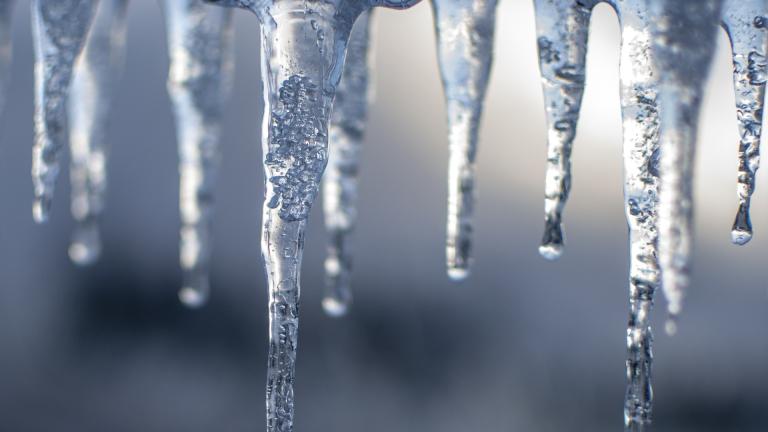
The Chicago region remains under a wind chill warning Tuesday morning as bitterly cold temperatures persist.
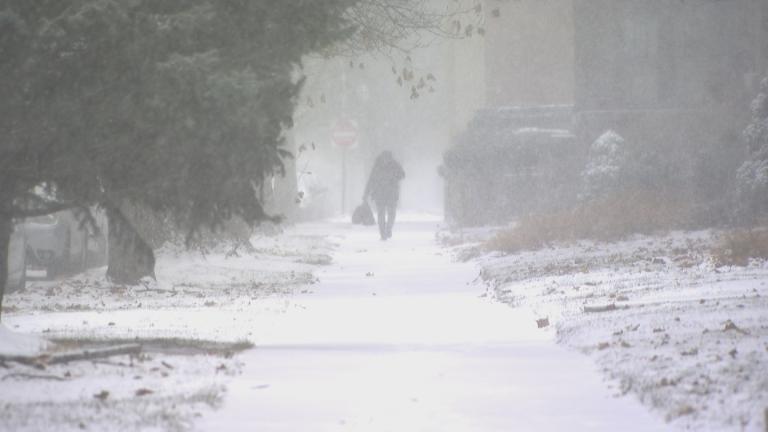
“We have been carefully monitoring the forecast over the past 24 hours, and have determined that given frigid temperatures predicted for tomorrow, and a Wind Chill Warning from the National Weather Service that wind chills that could reach -30 degrees, it will be unsafe for staff and students to travel to school,” the school district said in a statement.
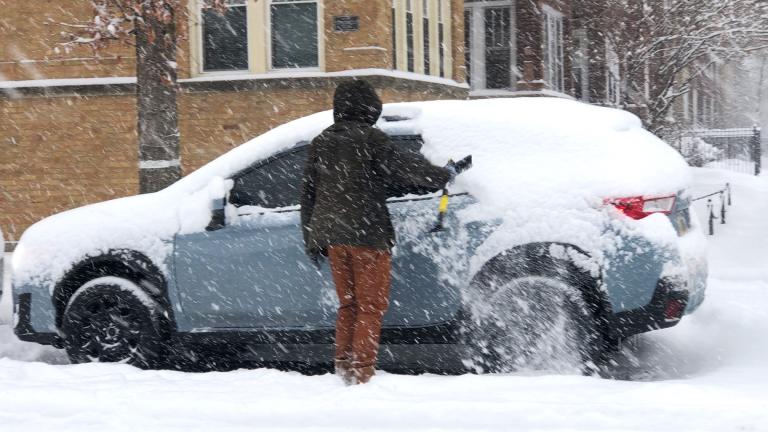
State law allows districts to switch to e-learning if an emergency like weather prevents students from being in school physically. But if districts want the option, they must have an electronic learning program established in advance.
The first of two rounds of snow made for a snowy morning commute Friday, with a second round set to hit overnight into Saturday.
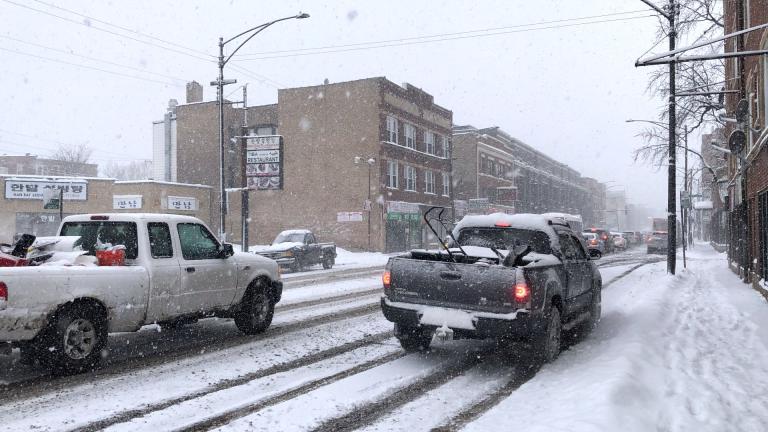
The National Weather Service has issued a winter storm warning for Chicago and the surrounding region, in effect from 3 a.m. Friday through noon on Saturday.
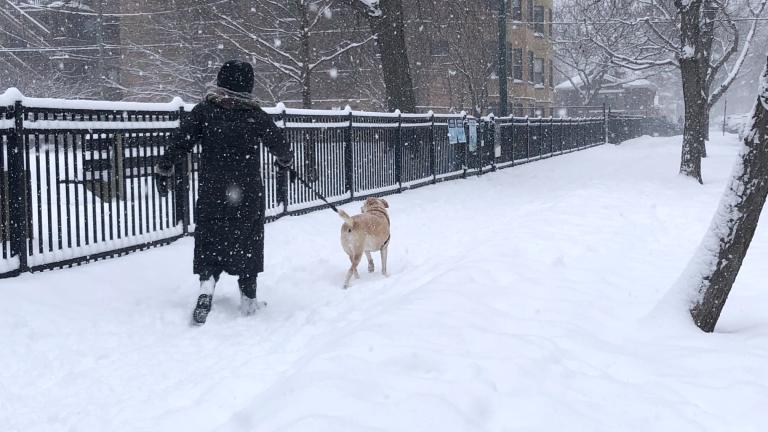
The National Weather Service is still refining its forecast in terms of snow totals, but is certain that a storm system and arctic blast will hit Chicago this weekend.

The second of two rounds of storms is still expected to dump significant amounts of snow in the northwest portions of the greater metro area Tuesday afternoon and early evening, according to the weather service.

Every winter, Chicago stands divided around a practice commonly known as “dibs” – when car owners use janky household objects to reserve their precious shoveled-out parking spaces. So how did it begin?
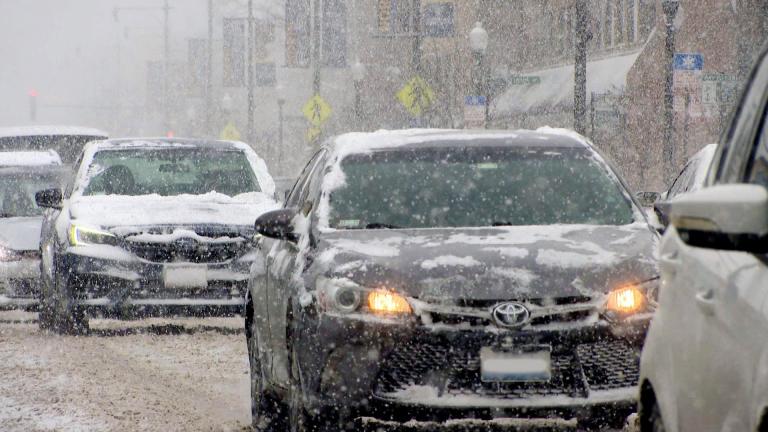
Parts of the Chicago region could get socked with upwards of 8 inches of snow while areas closest to the lake could see just an inch or two, forecasters said.
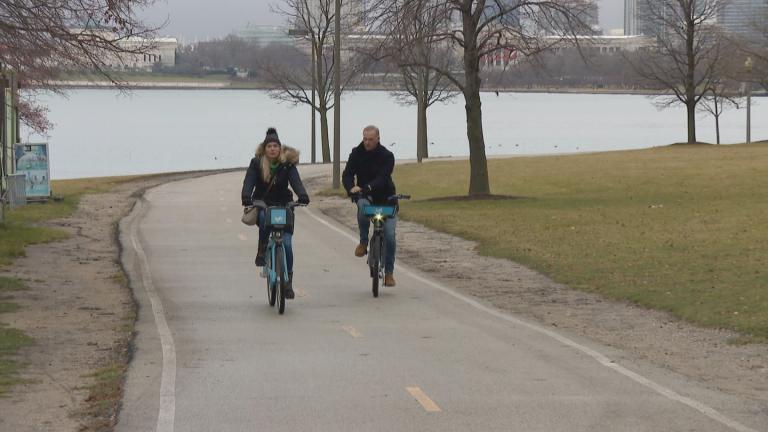
It’s winter in Chicago, but where’s the cold weather and snow? December’s temperatures are averaging about nine degrees higher than normal.
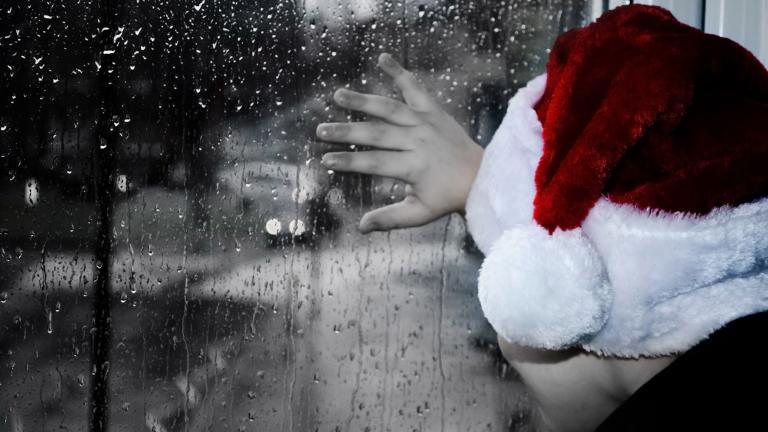
In fact, Dec. 25 isn’t going to feel particularly wintry at all.
Trending
2026 Chicago Festival Guide

Interim NITA Director Earning $350K Salary While Also Collecting $213K Annual City Pension, Records Show

Firm Set to Buy Chicago’s Parking Meters Sells Airline That Carried Out Deportations
Early Voting for November General Election Kicks Off in Downtown Chicago

Chicago Woman Accused of Social Security Fraud After Hiding Mother’s Body in Freezer for 2 Years
Sign up for the WTTW News newsletter