

Supreme Court


Mifepristone was approved for use by the FDA more than two decades ago. In a ruling Friday, a federal judge in Texas blocked the FDA’s approval of the drug. At virtually the same time, a judge in Washington state ordered the FDA not to do anything that might affect the drug’s availability.

“We should put the right to choose on every ballot across the country in 2024 — not just with the candidates we choose, but with referendum efforts to enshrine reproductive rights in states where right-wing politicians are stripping those rights away,” Illinois Democratic Gov. J.B. Pritzker told CNN.

The report of the connection between Thomas and conservative businessman Harlan Crow is already adding to calls that Congress investigate potential ethical lapses. Key Senate Democrats were previously mulling using this year’s funding legislation for the Supreme Court to pressure the justices to adopt some sort of ethics code.

Idaho lawmakers passed a bill this week seeking to add the state to the list of those authorizing firing squads, which currently includes Mississippi, Utah, Oklahoma and South Carolina. Interest comes as states scramble for alternatives to lethal injections after pharmaceutical companies barred the use of their drugs.
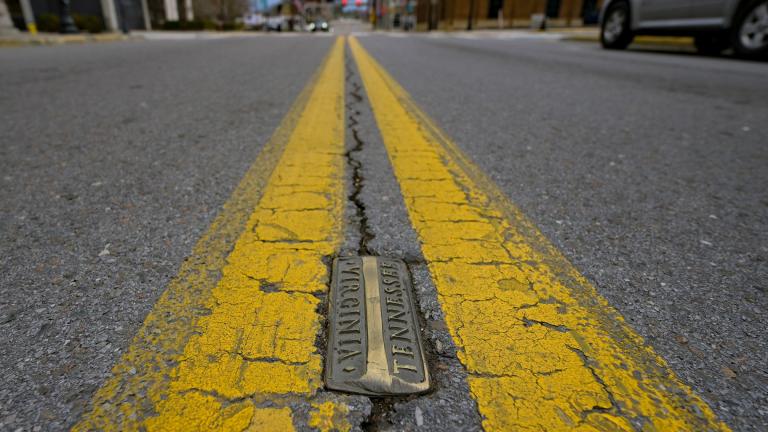
As clinics have been forced to shutter in Republican-dominant states with strict abortion bans, some have relocated to cities and towns just over the border, in states with more liberal laws. The goal is to help women avoid traveling long distances. Yet that effort does not always go smoothly.

The Supreme Court is about to hear arguments over President Joe Biden’s student debt relief plan, which impacts millions of borrowers who could see their loans wiped away or reduced.
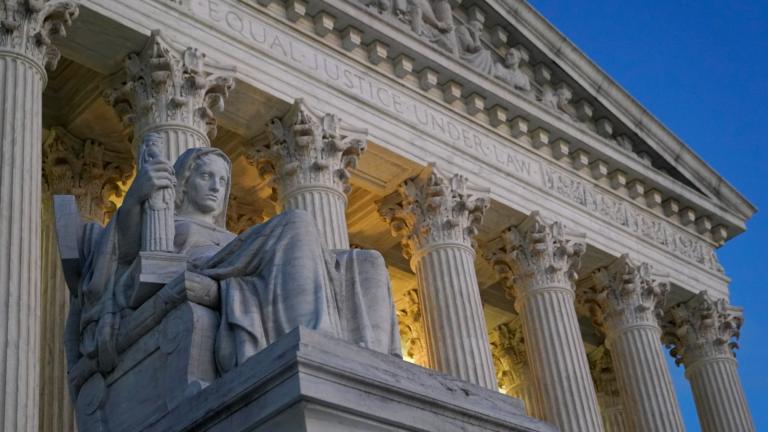
Eight months, 126 formal interviews and a 23-page report later, the Supreme Court said it has failed to discover who leaked a draft of the court’s opinion overturning abortion rights.
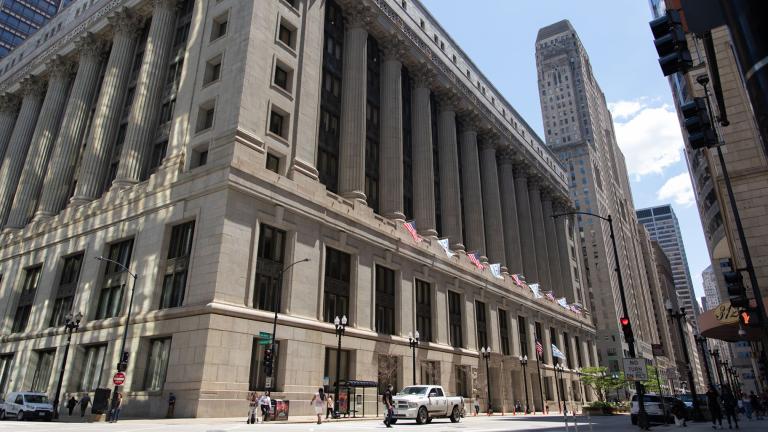
The Chicago Commission on Human Relations now has the authority to investigate complaints of housing discrimination or retaliation. The commission will work with the city’s Office of Labor Standards to probe complaints of workplace discrimination or retaliation, according to the new law.
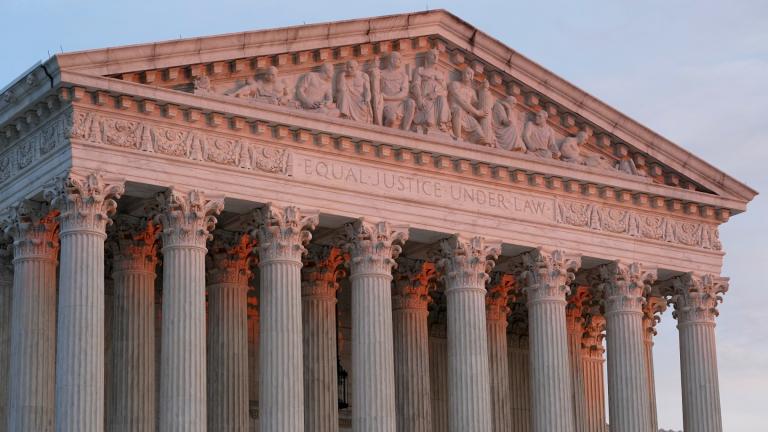
In one case involving a former postal employee, the justices will consider what accommodations employers must make for religious employees. The case comes when religious plaintiffs have generally fared well at the court, which is dominated 6-3 by conservative justices.

With the unanimous endorsement of the City Council’s Health and Human Relations Committee, the full City Council is scheduled to consider the measure, backed by Mayor Lori Lightfoot, at its meeting scheduled for Jan. 18.

Title 42 has been used more than 2.5 million times to expel migrants since March 2020, although that number includes people who repeatedly attempted to cross the border. The case will be argued in February, and the stay will be maintained until the Supreme Court decides.

In a ruling Tuesday, the Supreme Court extended a temporary stay that Chief Justice John Roberts issued last week. Under the court’s order, the case will be argued in February and the stay will be maintained until the justices decide the case.
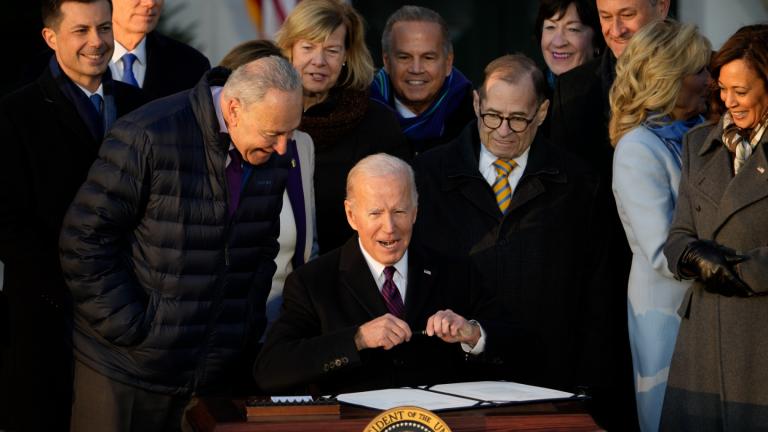
The new law is intended to safeguard gay marriages if the U.S. Supreme Court ever reverses Obergefell v. Hodges, its 2015 decision legalizing same-sex unions nationwide. The new law also protects interracial marriages.
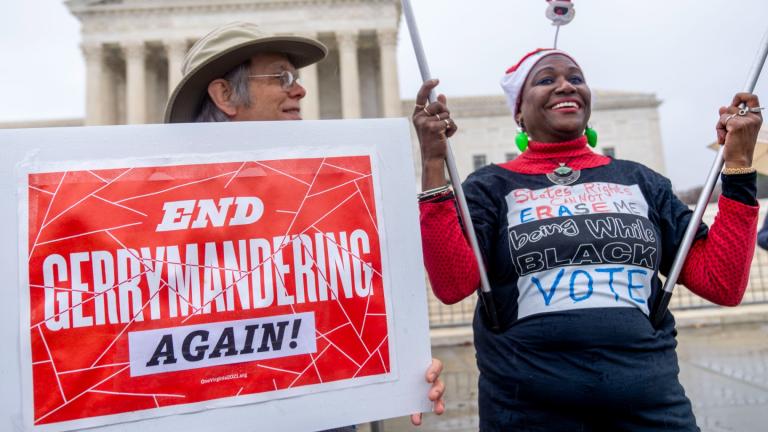
In nearly three hours of arguments, liberal and conservative justices appeared to take issue with the main thrust of a challenge asking them to essentially eliminate the power of state courts to strike down legislature-drawn, gerrymandered congressional district maps on grounds that they violate state constitutions.
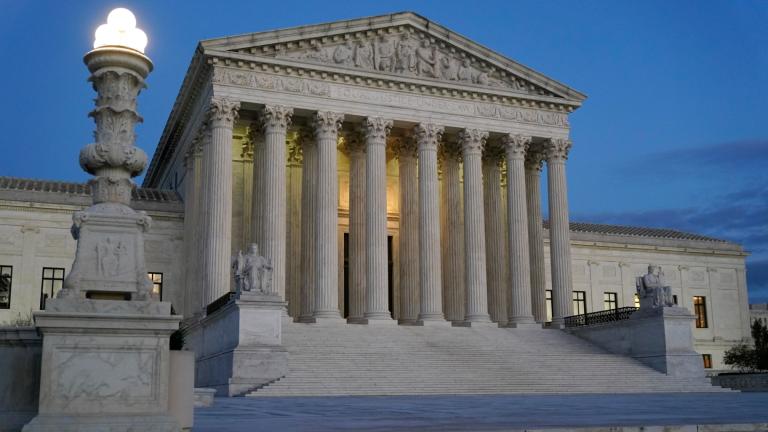
The question for the justices is whether the U.S. Constitution’s provision giving state legislatures the power to make the rules about the “times, places and manner” of congressional elections cuts state courts out of the process.
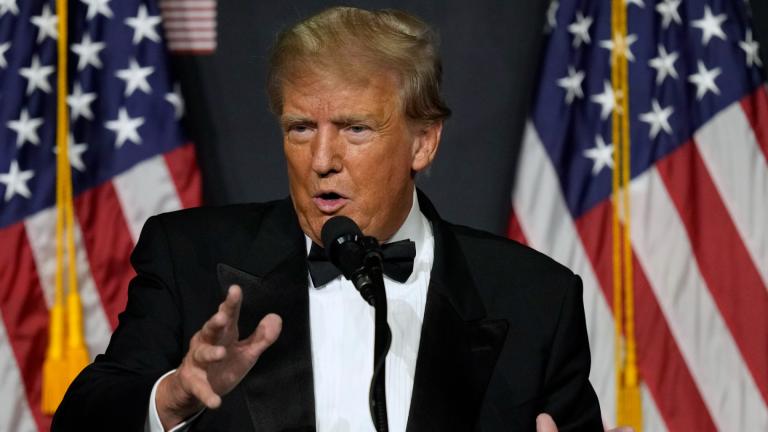
The Supreme Court, with no noted dissents, rejected Donald Trump’s plea for an order that would have prevented the Treasury Department from giving six years of tax returns for Trump and some of his businesses to the Democratic-controlled House Ways and Means Committee.
Trending
Who Is Running, or Thinking About Running, to Become Chicago’s Next Mayor

Suspend CPD Officers, Sergeant Repeatedly Accused of Making Improper Traffic Stops for a Combined 330 Days: Police Brass

Johnson’s Debt Refinancing Plan Results in Just Half of What He Promised, Forcing Officials to Scramble to Fill Budget Gap

Hilario Dominguez, Candidate for CPS Board President, Defends Conduct as Watchdog Reopens Probe Into Inappropriate Behavior Allegations

No Tax Hikes or Layoffs Needed to Close Cook County’s $550M Gap Thanks to ‘Budget Magic’: Preckwinkle

Sign up for the WTTW News newsletter