

NPR

A federal judge on Tuesday agreed to permanently block the Trump administration from implementing a presidential directive to end federal funding for National Public Radio and the Public Broadcasting Service.


Nearly 300 public radio stations and more than 100 public television stations in the U.S. are producing local reporting, researchers found. In nine counties, public radio is the sole news source.

Corporation for Public Broadcasting to Wind Down After Being Defunded by Congress, Targeted by Trump
The Corporation for Public Broadcasting, a cornerstone of American culture for three generations, announced Friday it would take steps toward its own closure after being defunded by Congress — marking the end of a nearly six-decade era.
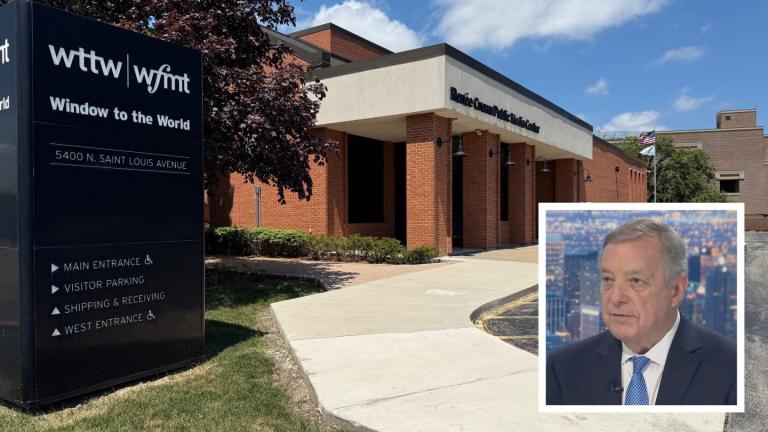
U.S. Sen. Dick Durbin on Friday said Donald Trump is “declaring war” on public broadcasting, hours after Congress approved more than $1 billion in cuts to radio and television stations across Illinois and the rest of the country.
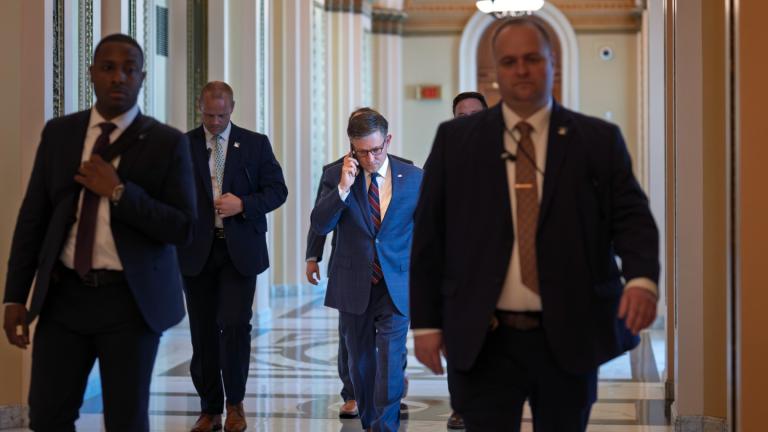
The vote marked the first time in decades that a president has successfully submitted such a rescissions request to Congress, and the White House suggested it won’t be the last. Some Republicans were uncomfortable with the cuts, yet supported them anyway.

Public television stations will be “forced to make hard decisions in the weeks and months ahead,” PBS CEO Paula Kerger said Thursday, after the Senate voted in the middle of the night to approve a bill that cancels all the federal funding for the network and for NPR.
Senate Republicans on Tuesday advanced President Donald Trump’s request to cancel some $9 billion in previously approved spending, overcoming concerns from some lawmakers about what the rescissions could mean for impoverished people around the globe and for public radio and television stations in their home states.
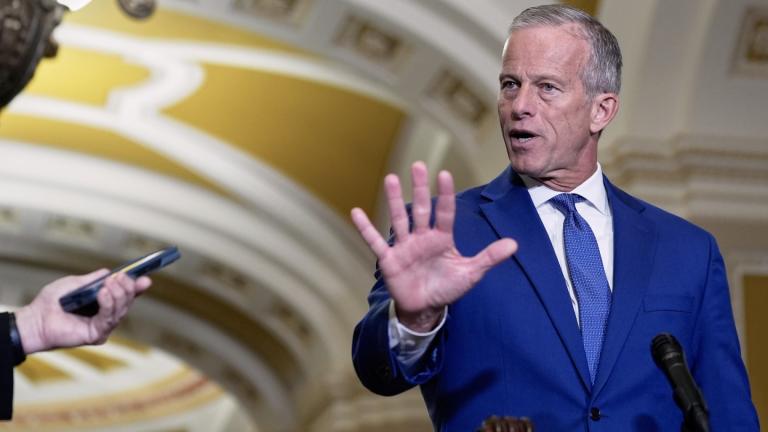
Senate Republicans will test the popularity of Department of Government Efficiency spending cuts this week by aiming to pass President Donald Trump’s request to claw back $9.4 billion in public media and foreign aid spending.
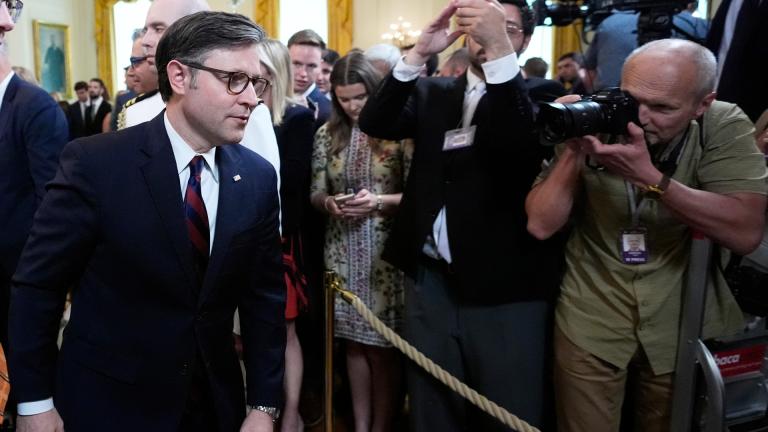
The House narrowly voted Thursday to cut about $9.4 billion in spending already approved by Congress as President Donald Trump’s administration looks to follow through on work done by the Department of Government Efficiency when it was overseen by Elon Musk.

On Tuesday, the Trump administration sent Congress a long-awaited request for lawmakers to cancel more than $1 billion in federal funds earmarked for the Corporation for Public Broadcasting, the entity that disburses taxpayer funds to local NPR and PBS stations across the country.
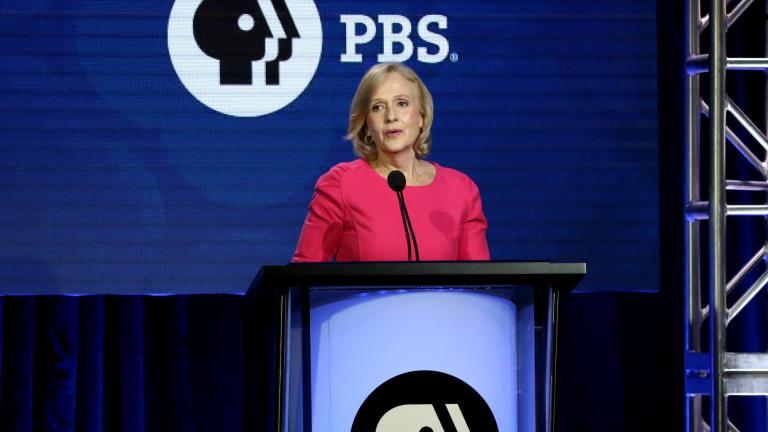
In its lawsuit, PBS relies on similar arguments, saying Trump was overstepping his authority and engaging in “viewpoint discrimination” because of his claim that PBS’ news coverage is biased against conservatives.
The lawsuit, filed in federal court in Washington by NPR, Colorado Public Radio, Aspen Public Radio and KUTE, Inc. argues that Trump’s executive order to slash public subsidies to PBS and NPR violates the First Amendment.
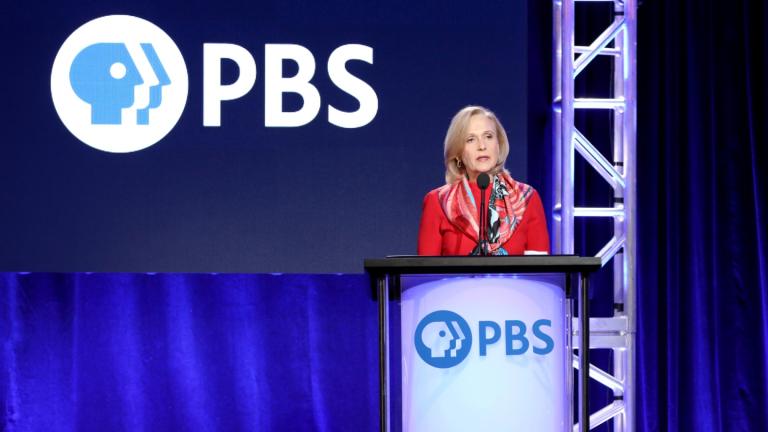
Public Broadcasting Service CEO Paula Kerger said the Republican president’s order “threatens our ability to serve the American public with educational programming, as we have for the past 50-plus years.”

The hearing, titled “Anti-American Airwaves: Holding the heads of NPR and PBS Accountable,” featured testimony from NPR CEO Katherine Maher and PBS CEO Paula Kerger, as well as a local station operator and a conservative critic of taxpayer-funded media.
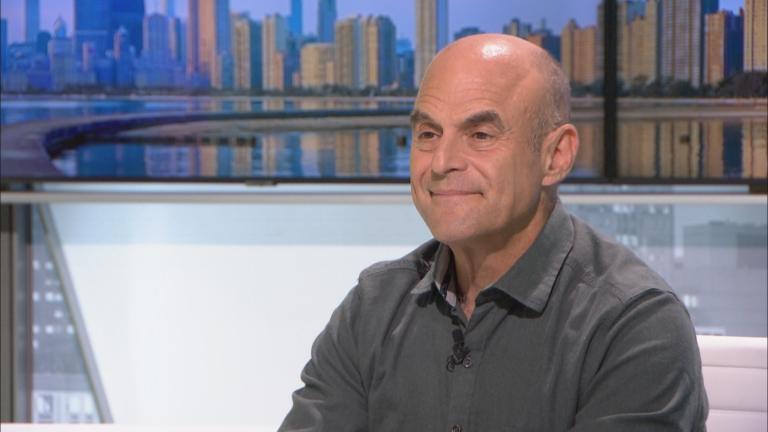
Keeping up with the news of the day can be tough. But for 26 years, Peter Sagal has been making it fun for audiences across the country as host of NPR’s weekly radio show “Wait Wait...Don't Tell Me!” This week, he’s offering fans a look behind the curtain.

Bob Edwards began his 30-year tenure at NPR in 1974, when the network was still in its infancy. He co-hosted “All Things Considered,” NPR’s evening show, before spearheading “Morning Edition” as its inaugural host in 1979, a position he held until 2004.
Trending
Pair of Chicago Elementary Schools Named Top in Illinois in New U.S. News Rankings

Mother-Son Reunions Among Latest Milestones for Shedd’s Rescued Belugas

Migration Mass Casualty With At Least 1,000 Birds Injured or Killed This Weekend in Chicago and on Northwestern’s Campus

Early Voting for November General Election Expands in Chicago, Suburban Cook County

Giannoulias, Quigley, Wilson — But Not Johnson — Among First to File Signatures Ahead of Chicago’s February Mayoral Election
Sign up for the WTTW News newsletter