

LGBTQ
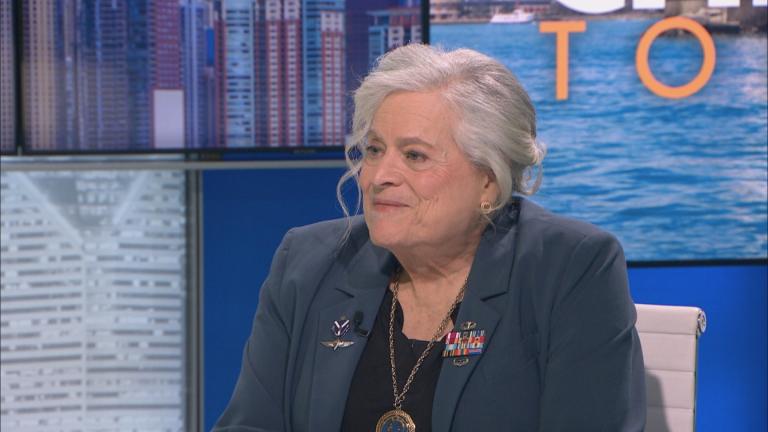

In his executive order in January, the president wrote that being transgender “conflicts with a soldier’s commitment to an honorable, truthful and disciplined lifestyle” and is harmful to military readiness.

The boost has a lot to do with young people, who have been much more likely than older generations to identify as something other than heterosexual, Gallup said.
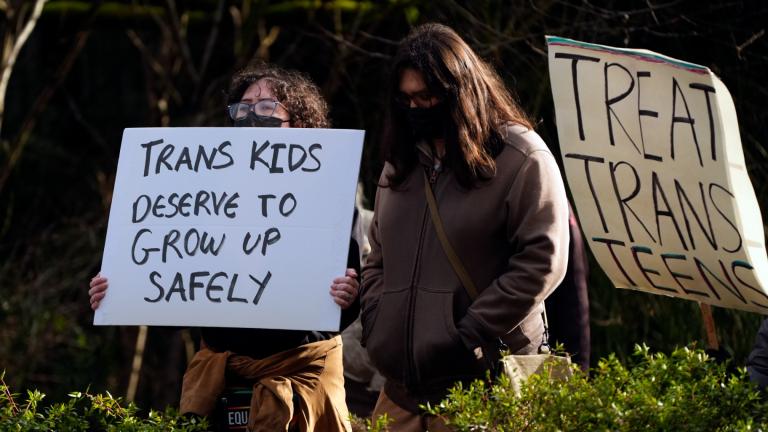
The judge’s ruling came after a lawsuit was filed earlier this month on behalf of families with transgender or nonbinary children who allege their health care has already been compromised by the president’s order.
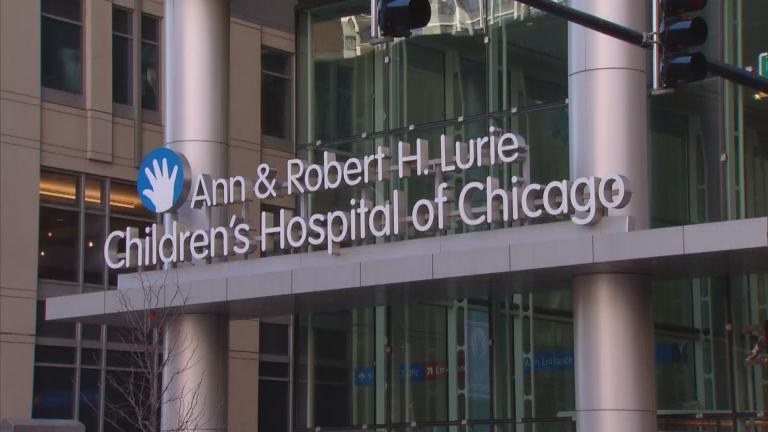
Lurie Children’s Hospital will continue to provide hormone therapy and puberty blockers, a hospital spokesperson confirmed, and specifically noted that mental health care will also continue as part of the hospital’s gender care program.
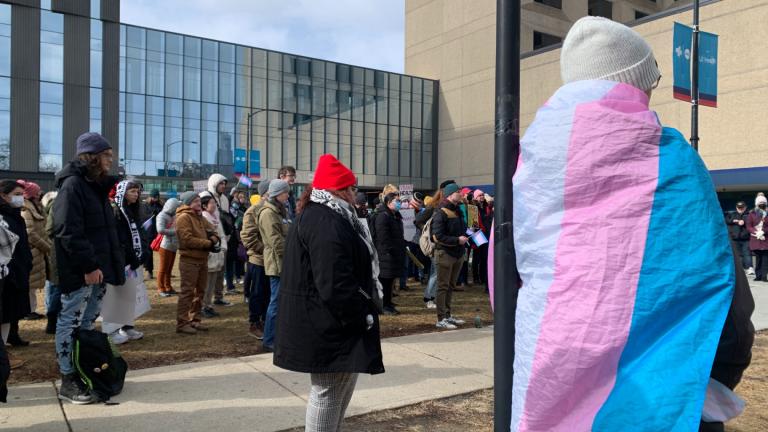
Supporters of gender-affirming care called on the University of Illinois health care system to be clearer and more transparent about its commitment to providing gender-affirming care in light of President Donald Trump’s executive order seeking to end such care for minors.
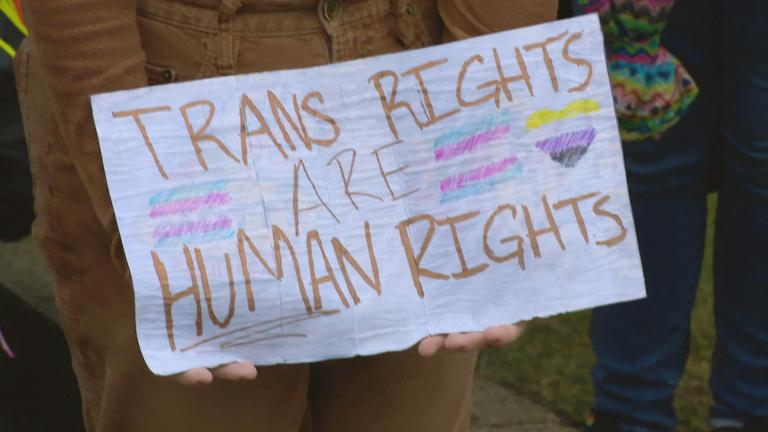
For many in Chicago’s transgender community, the order and other policies of the new administration are cause for concern. They say the policy focus on transgender people is a distraction from other national issues.
Six transgender active duty service members and two former service members who seek re-enlistment on Tuesday filed the first lawsuit challenging President Donald Trump’s executive order that calls for revising policy on transgender troops and probably sets the stage for banning them in the armed forces.
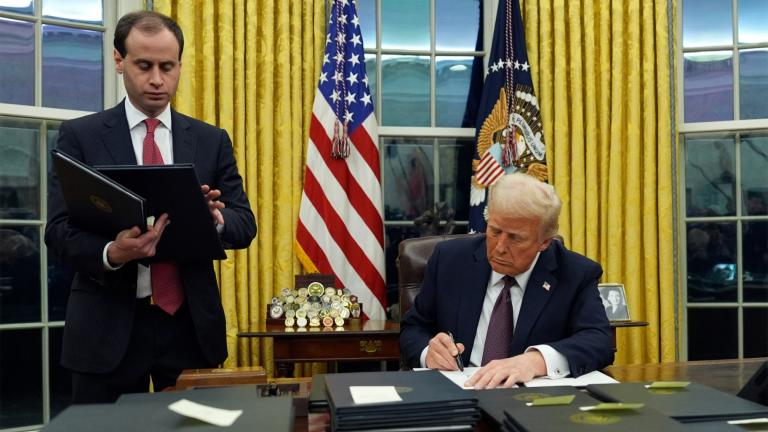
An executive order President Donald Trump signed on his first day back in office offers a new federal government definition of the sexes that could have a major impact on transgender people nationwide. Many of the provisions are likely to be challenged in court.

Gov. J.B. Pritzker and Mayor Brandon Johnson have both said they are prepared to confront President-elect Donald Trump's policies head-on. But it is unclear how Trump will make good on his promises of retribution, and what power city and state officials will have to resist or thwart federal authorities.
The measure must clear the full Senate in the first week of January to reach Gov. J.B. Pritzker’s desk, otherwise it must go through the entire legislative process again after a new General Assembly convenes Jan. 8.
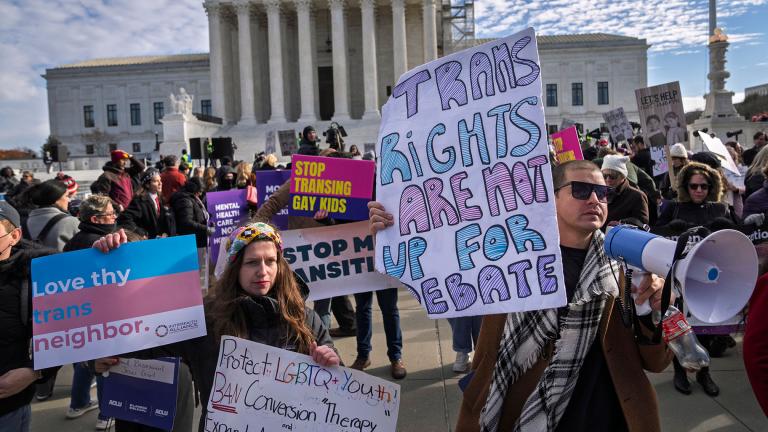
The justices’ decision, not expected for several months, could affect similar laws enacted by another 25 states and a range of other efforts to regulate the lives of transgender people, including which sports competitions they can join and which bathrooms they can use.
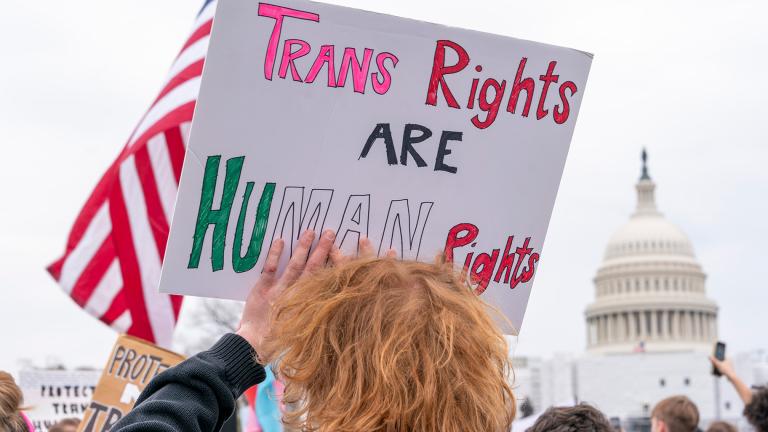
On Wednesday, the Supreme Court will hear arguments in a case involving Tennessee’s ban on gender-affirming care for transgender people under age 18. At least 26 states have adopted laws restricting or banning such care for minors, and most of those states face lawsuits.
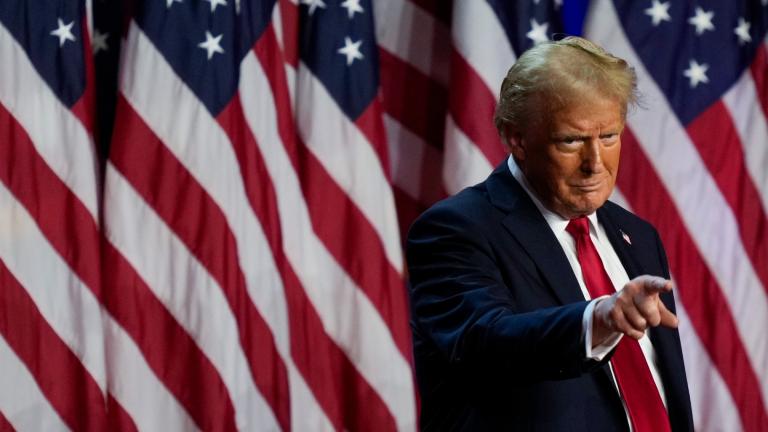
The former president and now president-elect often skipped over details but through more than a year of policy pronouncements and written statements outlined a wide-ranging agenda. It would scale back federal government efforts on civil rights and expand presidential powers.
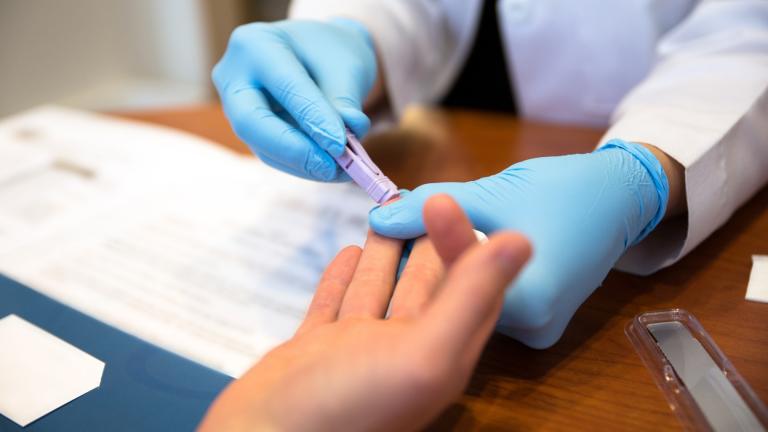
Latinos account for the largest share of new HIV diagnoses and infections among men who have sex with men — more than any other ethnic and racial demographic, according to an analysis from KFF News-Associated Press. There are over 22,000 people living with HIV in Chicago and the city saw 700 new HIV diagnoses in 2022.
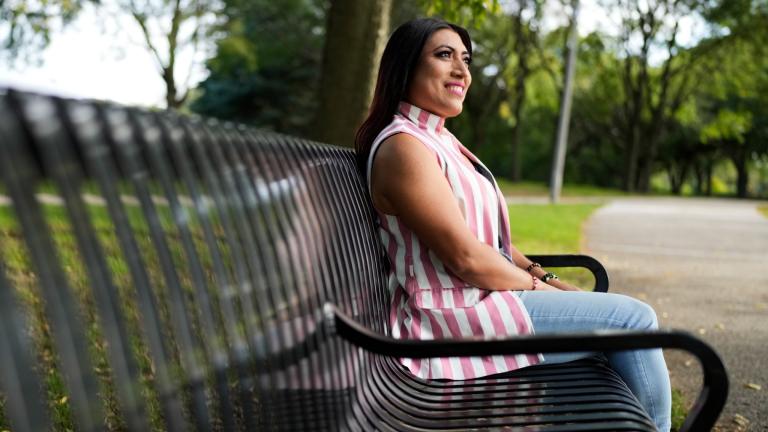
The Welcome Corps, which launched last year, pairs groups of Americans with newly arrived refugees. So far, the resettlement program has connected 3,500 sponsors with 1,800 refugees, and many more want to help: 100,000 people have applied to become sponsors.
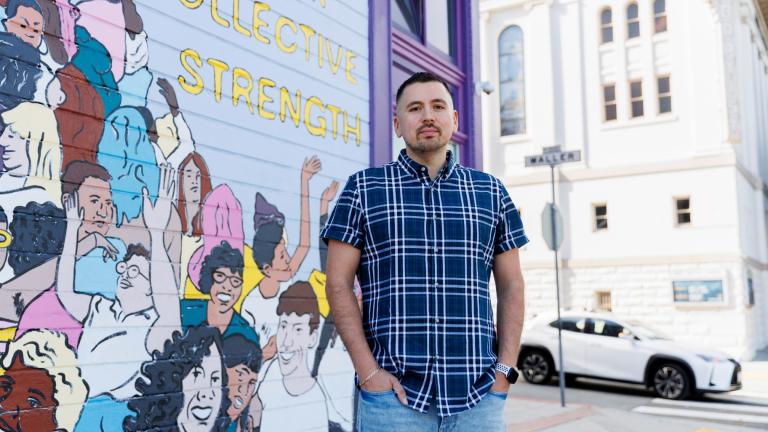
Despite the increased awareness of the term among Latinos — 47% have heard of it — only 4% or 1.9 million people use “Latinx” to describe themselves, an increase of 1 percent since 2019, according to the study by the Pew Research Center.
Trending
2026 Chicago Festival Guide

CPD Officer Who Fired 3 Shots at Suspected Carjacker on 606 Trail Faces Firing: Records

Interim NITA Director Earning $350K Salary While Also Collecting $213K Annual City Pension, Records Show

Firm Set to Buy Chicago’s Parking Meters Sells Airline That Carried Out Deportations

Chicago Woman Accused of Social Security Fraud After Hiding Mother’s Body in Freezer for 2 Years

Sign up for the WTTW News newsletter