

Latino Voices

The goal of the Latino Research Initiative is to become a data hub for community groups, policy-makers and others.
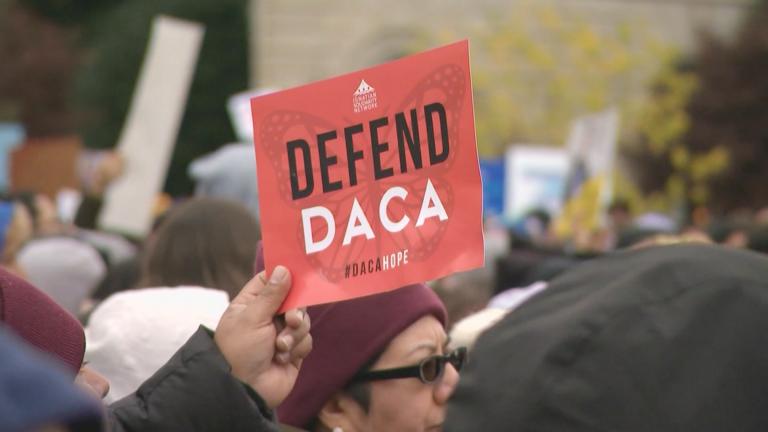
It is expected the final decision on DACA’s future will lie in the hands of the U.S. Supreme Court – that would be the third time DACA has come before the high court since it was instituted by executive order during the Obama administration in 2012.
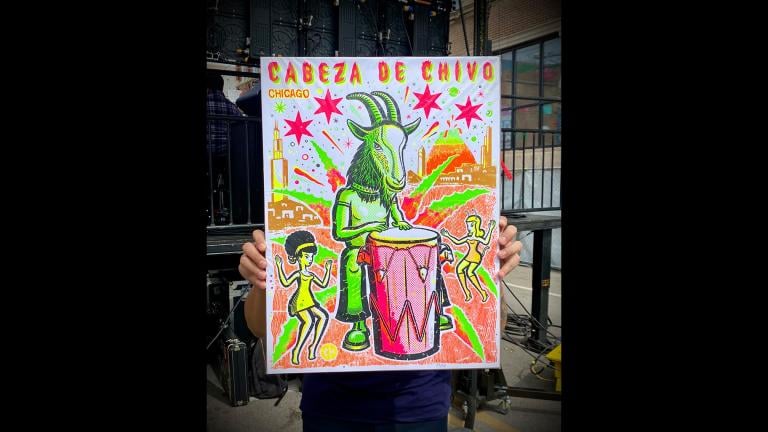
It’s the second week of Hispanic Heritage Month, so it’s time to kick the party into high gear with some truly celebratory music. Music journalist Sandra Treviño says one of the best ways she knows to get people on the dance floor is with the sounds of cumbia.
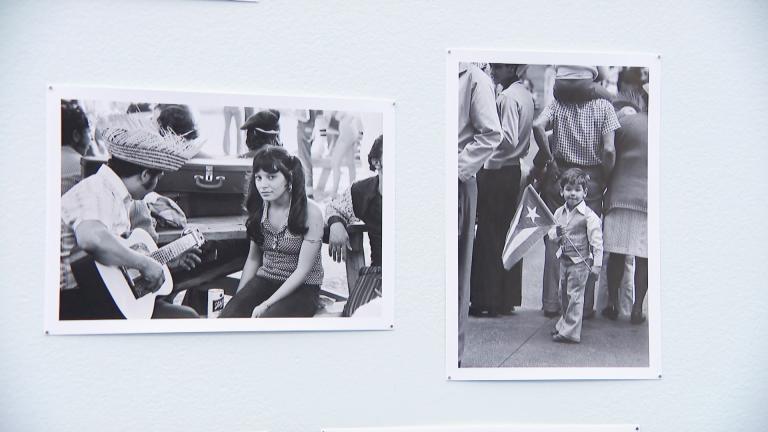
Featuring 18 artists of diverse mediums, the goal of the exhibition is to address the social and political issues that the Puerto Rican community faces — from housing discrimination and migration to bilingual education and health care issues.
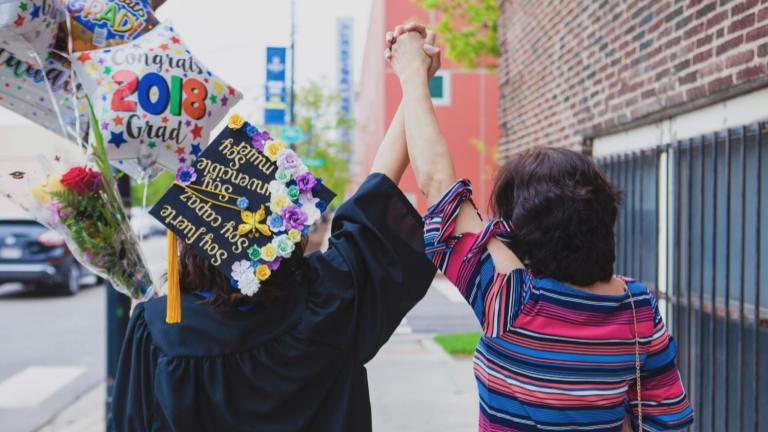
Being a first-generation Latino American comes with rewards and struggles — from honoring your roots while defining your identity as an American to dealing with the weight of family expectations while forging your own path.
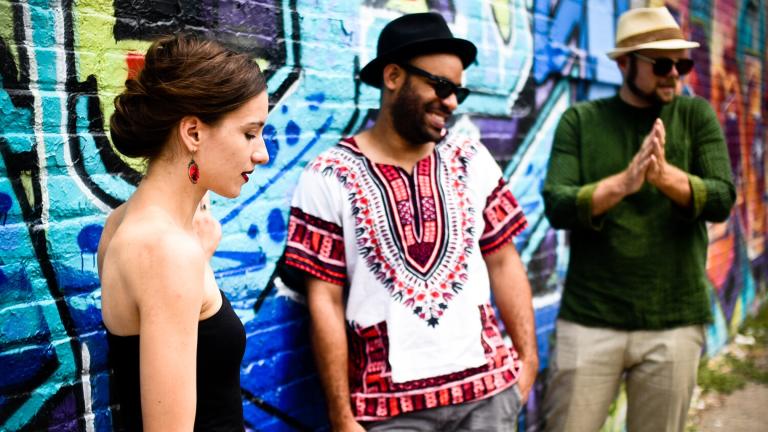
Music is a big part of any celebration. So for Hispanic Heritage Month, we’ve asked music journalist Sandra Treviño to dial in on a few music styles, genres and trends across the Latino diaspora.
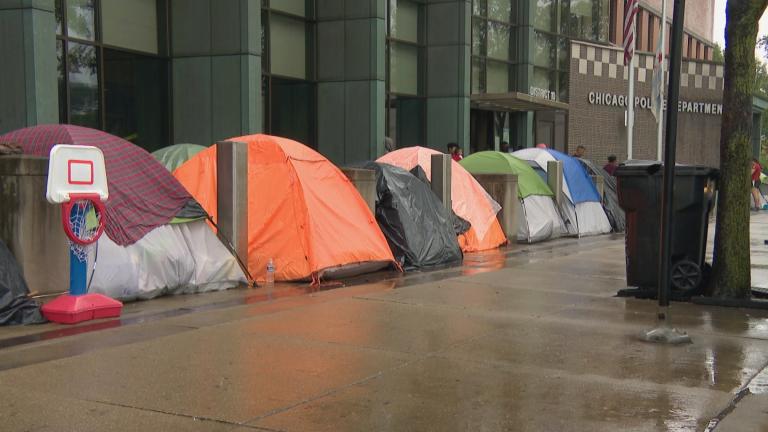
Currently, about 1,600 migrants are living in police stations across Chicago — a solution that was intended to be temporary. But many of those men, women and children have been sleeping on floors or in tents outside police stations for months.
Altercations at police stations housing migrants. The rewards and struggles of being first generation. And reconnecting with your roots for Hispanic Heritage Month.
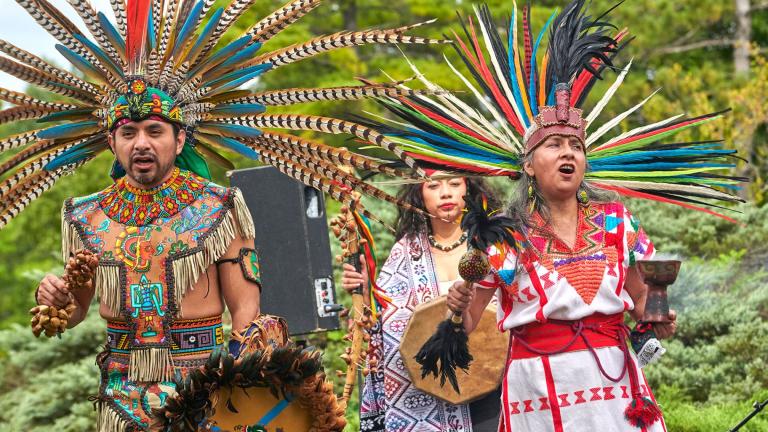
This month, the Morton Arboretum is inviting people to get back in touch with their roots with a variety of events and programs highlighting Latino cultures and communities, beginning with the Celebración de los Árboles on Sept. 16-17.
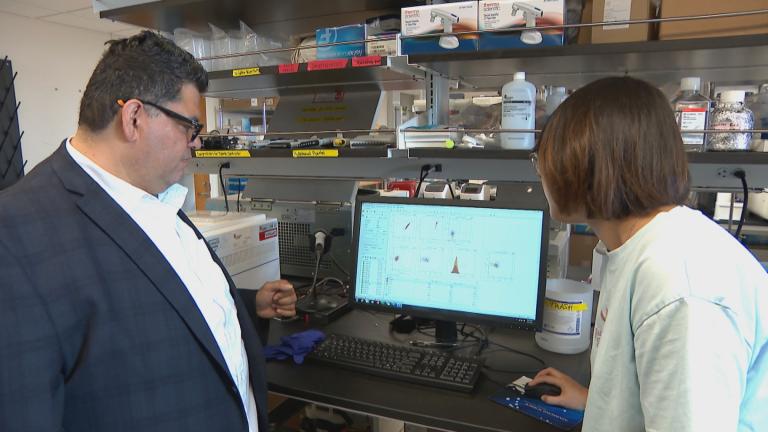
This year, Juan Mendoza was named a Freeman Hrabowski Scholar by the Howard Hughes Medical Institute, which funds efforts to bring more scientists from diverse backgrounds into scientific institutions. Mendoza said he got right to work on recruiting.
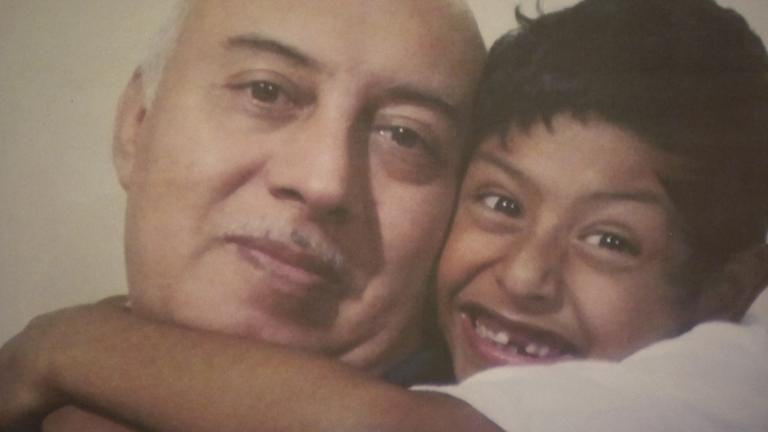
After photographer Jose Refugio “Fugie” Almanza tragically lost his 12-year-old son, Almanza sought to turn his pain into purpose. He founded the Joseph Jr. Scholarship Foundation, which aims to help Latinos fund their college educations.
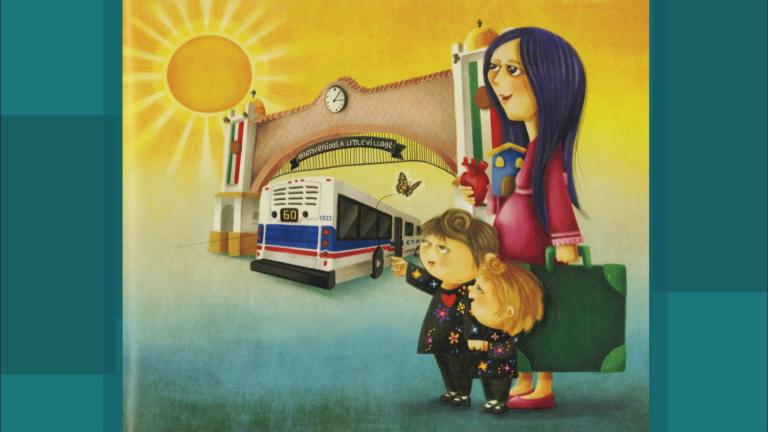
In her book “Homecoming: El Viaje a Mi Hogar,” Margarita Quiñones Peña describes the migrant journey to Chicago through her own eyes as a child coming to her new home of Chicago in 1993.
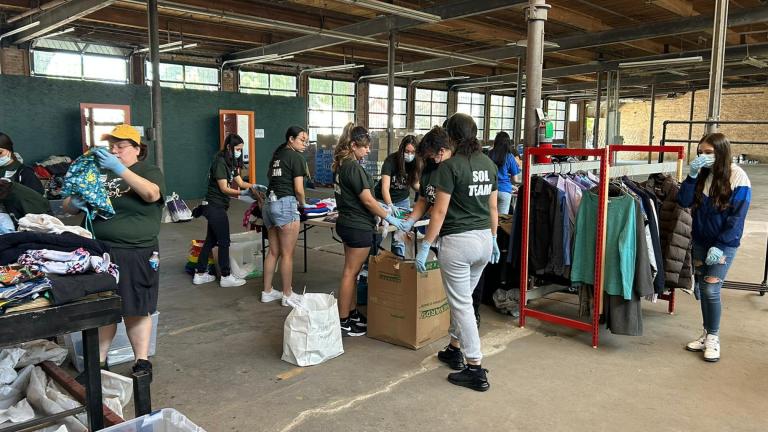
Since May, organizers with the volunteer collective Todo Para Todos said they’ve hosted 260 residents and have found permanent housing for more than 150 of them. The shelter ended its operations this past weekend.
A community-run shelter for migrants closes its doors. Getting more Latinos in STEM. And the migrant experience from the point of view of a child.
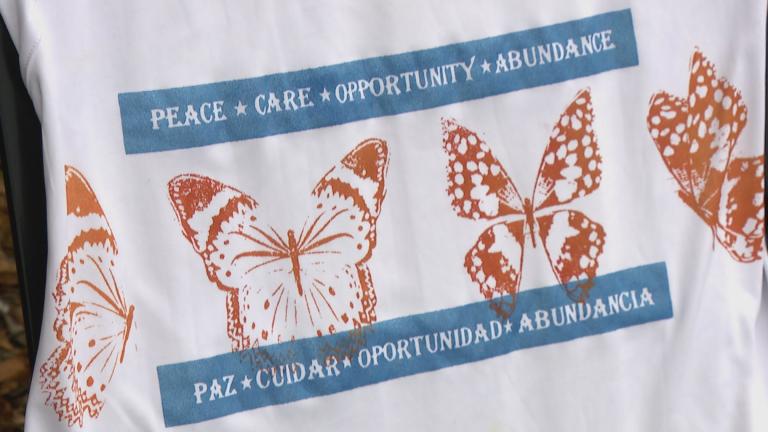
For the many volunteers helping migrants living at Chicago police stations, raising funds is essential. One group teamed up with a Venezuelan migrant to design the logo on merchandise being sold to raise money for food, clothes and medicine for asylum seekers.
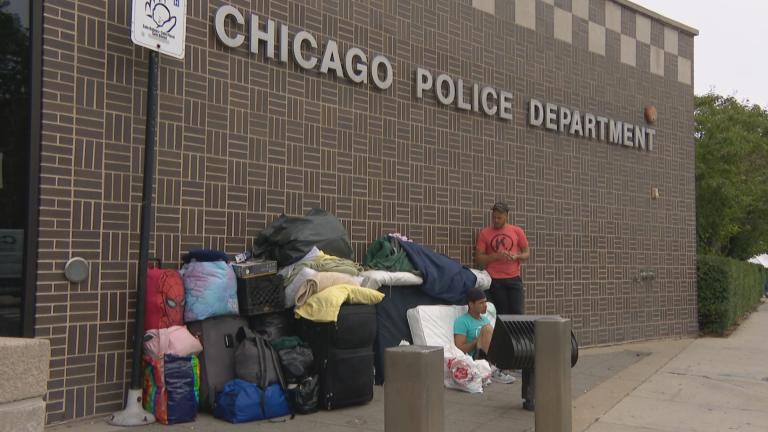
This week marks one year since the first bus of asylum seekers was sent to Chicago from the southern border. More than 13,500 migrants have arrived in the city to date.
Trending
Who Is Running, or Thinking About Running, to Become Chicago’s Next Mayor

Thursday’s Near-Total Lunar Eclipse Is One to Watch, Chicagoans Won’t See Another This Good for Years

CPD Officer Arrested for Domestic Battery Day After Ex-Top Cop, Police Board Said He Should Be Fired

TIF Districts Boosted Property Taxes but Failed to Spur Development in Blighted Neighborhoods: Report

Mayor Johnson Signs Executive Order Targeting Firms Profiting From Immigration Raids

Sign up for the WTTW News newsletter