

Housing
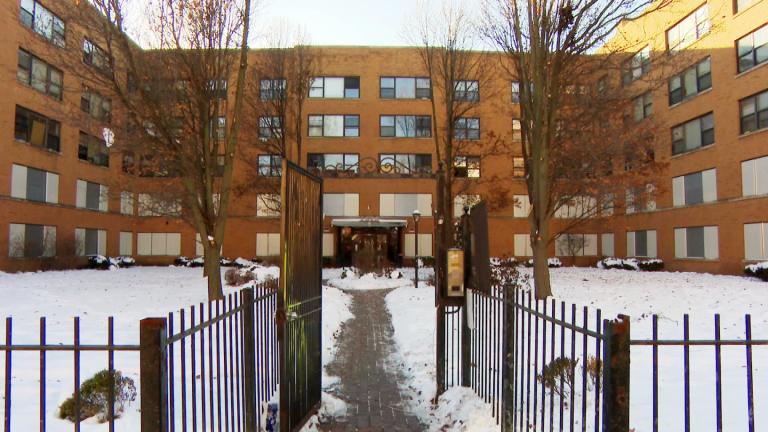
The Illinois Department of Human Rights will investigate whether the three firms that own and manage the building at 7500 S. South Shore Drive committed housing discrimination, officials said.

The City Council’s Finance Committee endorsed the $135 million project from Golub & Co to transform 16 floors of the 44-story tower at 30 N. LaSalle St. into 349 homes, including 105 units set aside for low- and moderate-income Chicagoans.


Nearly 300 new Illinois laws will take effect on Jan. 1, 2026.
Judge Debra Ann Seaton denied a 60-day extension request saying “it would be inhumane for this court not to relocate people as quickly as possible,” citing gas leaks and plumbing issues. Many residents said they had nowhere to go.

The three top Democrats vying to become the party’s nominee for U.S. senator in Illinois have released proposals detailing how they plan to make life more affordable for Americans.

Most first-time homebuyers in the United States take out 30-year mortgages. Under a new proposal from the Trump administration, they may soon have an even longer loan option.

City crews are going to have to sharply increase efforts to remove the lines from homes and two- and four-flats to comply with state and federal requirements, Department of Water Management Commissioner Randy Conner said.
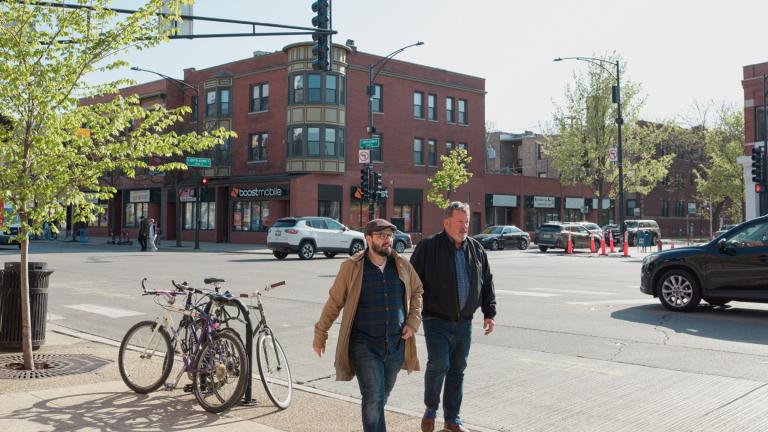
Ald. Leni Manaa-Hoppenworth (48th Ward) said the proposals will revitalize Broadway, which has not seen any new housing built on its west side for two decades, by making the commercial district more affordable and accessible.
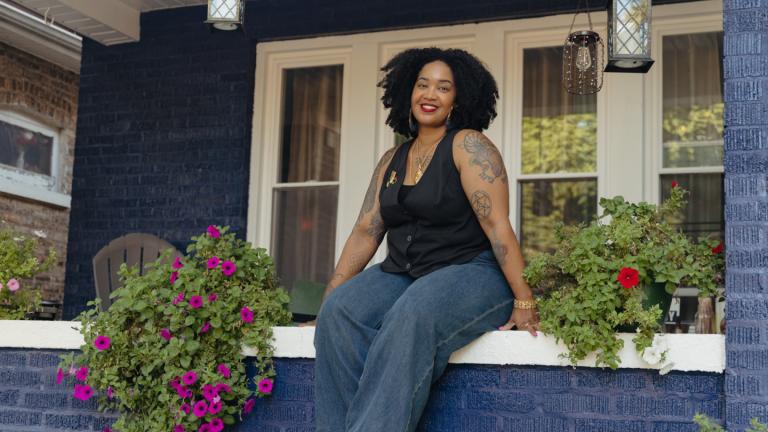
Tonika Lewis Johnson, an Englewood native, explores the impacts of segregation and disinvestment in Chicago neighborhoods through her “Folded Map Project,” “Inequity for Sale” and “UnBlocked Englewood” projects. MacArthur Fellows receive a “no-strings-attached” $800,000 award.
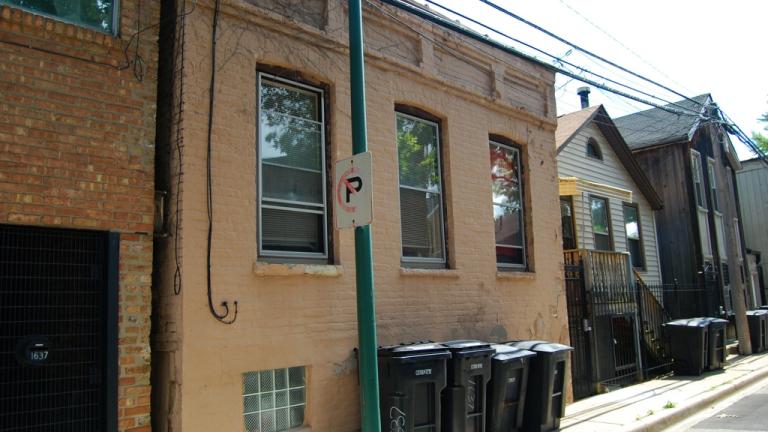
The measure reverses the city’s 68-year ban on tiny homes but creates a patchwork of regulations that could significantly differ from ward to ward in order to uphold the decades-old tradition known as aldermanic prerogative.
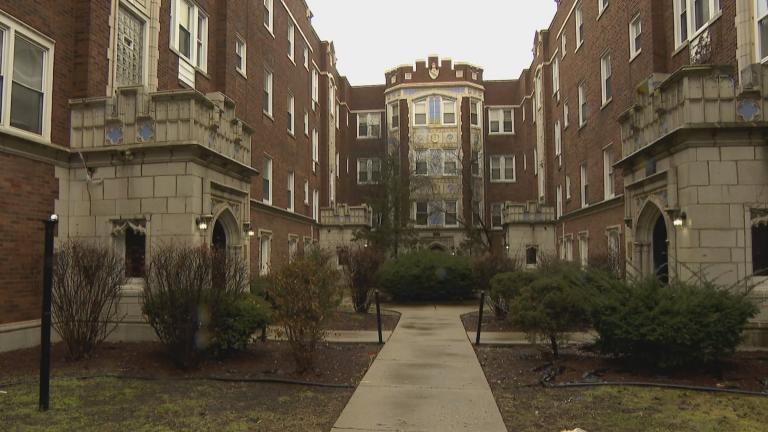
The unanimous vote by the City Council’s Housing and Real Estate Committee means a yearslong fight to prevent longtime residents from being pushed out of South Shore is one step away from victory.
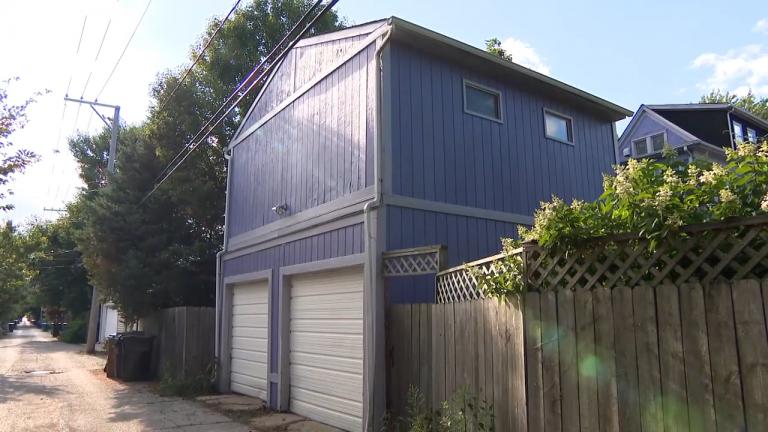
A compromise proposal to allow Chicagoans to build basement, attic and coach house dwellings across the city would still give alderpeople the final say over whether the tiny homes could be built in their wards, officials said.
A final vote on both proposals, which would create 786 new homes, including 237 units of affordable housing, is set for the Sept. 25 City Council meeting.

Illinois homeowners could soon face a higher insurance bill. State Farm is raising its rates by 27% starting Aug. 15 — which could cost customers $475 more on average.

The latest domestic policy plan signed by President Donald Trump on July 4 will increase available funding by 12% for a key tax credit used by developers to offset a portion of construction costs.

A new law will make it easier for police to remove squatters who are illegally staying at a residence. Law enforcement, real estate and property owner organizations supported the bill.
Trending
Who Is Running, or Thinking About Running, to Become Chicago’s Next Mayor

Suspend CPD Officers, Sergeant Repeatedly Accused of Making Improper Traffic Stops for a Combined 330 Days: Police Brass

Johnson’s Debt Refinancing Plan Results in Just Half of What He Promised, Forcing Officials to Scramble to Fill Budget Gap

Addiction Recovery Clinic Sees Increase of 7-OH Patients as Feds Seek to Crack Down on the Opioid-Like Drug

No Tax Hikes or Layoffs Needed to Close Cook County’s $550M Gap Thanks to ‘Budget Magic’: Preckwinkle

Sign up for the WTTW News newsletter