

Homelessness
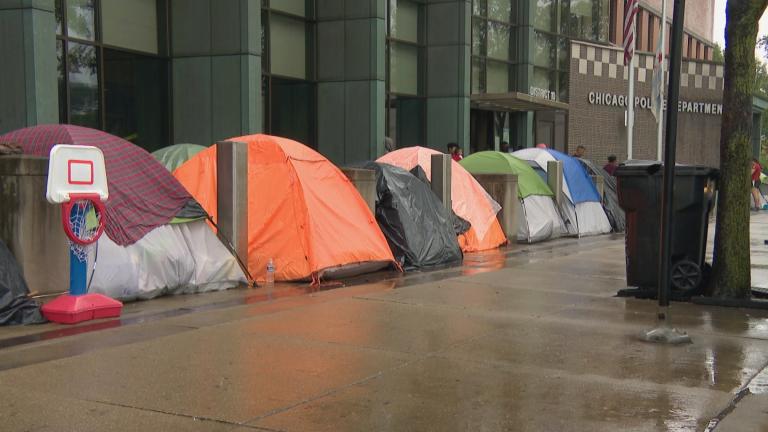
The announcement represents Mayor Brandon Johnson’s first attempt to reduce the city resources available to the migrants currently in the city’s shelter system.
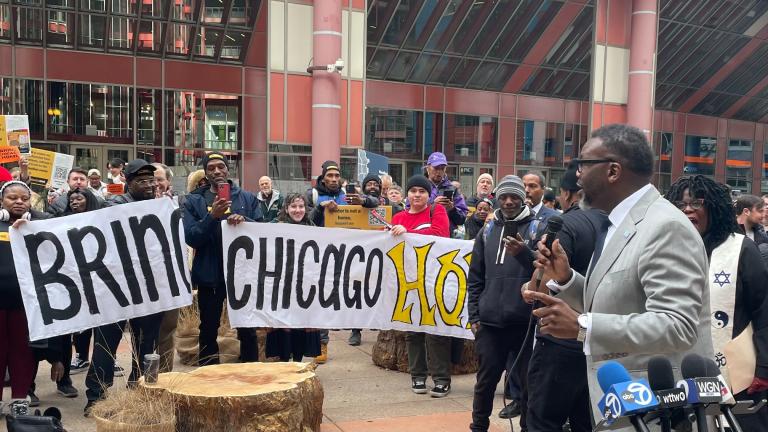
Supporters say the plan would generate approximately $100 million annually to address the root causes of homelessness by building new permanent housing that offers wraparound services.

Despite the enthusiasm of supporters who held a City Hall rally before the City Council meeting and packed the chambers, Ald. Brendan Reilly (42nd Ward) tried, but failed, to prevent the measure from heading directly to a committee hearing and vote.
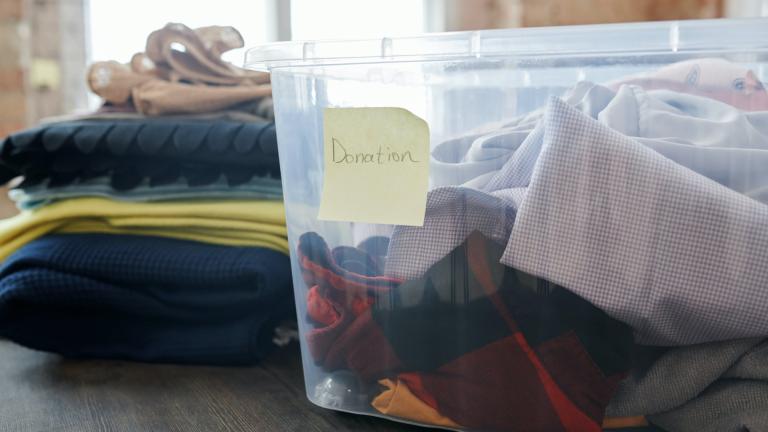
With winter fast approaching, the city of Chicago is reminding people that asylum seekers and homeless residents are in need of clothing, toiletries and other items.
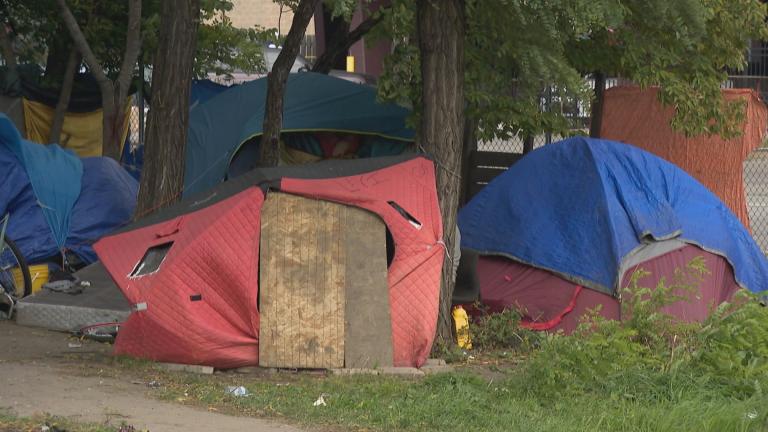
The push for the Bring Chicago Home proposal comes as the Chicago Coalition for the Homeless found an estimated 68,440 people experienced homelessness in the city in 2021. That’s a 2,829-person increase from the previous year.
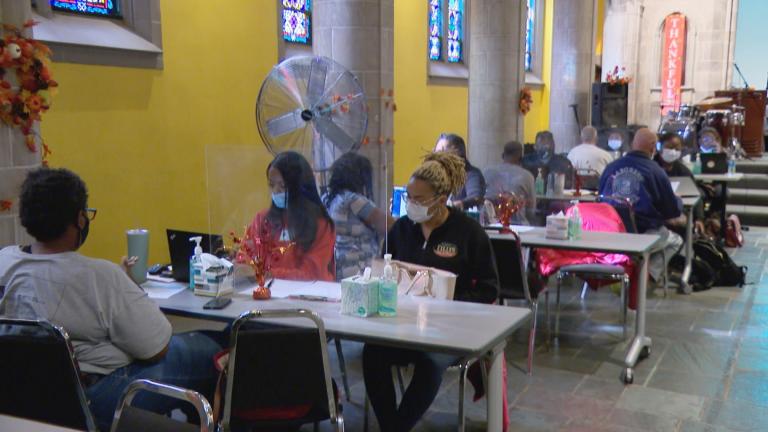
Accelerated Moving Events use federal funding to connect people to housing, among other services. During an event, clients work with the AME team to browse apartment units, fill out an application and pick out furniture from the Chicago Furniture Bank.
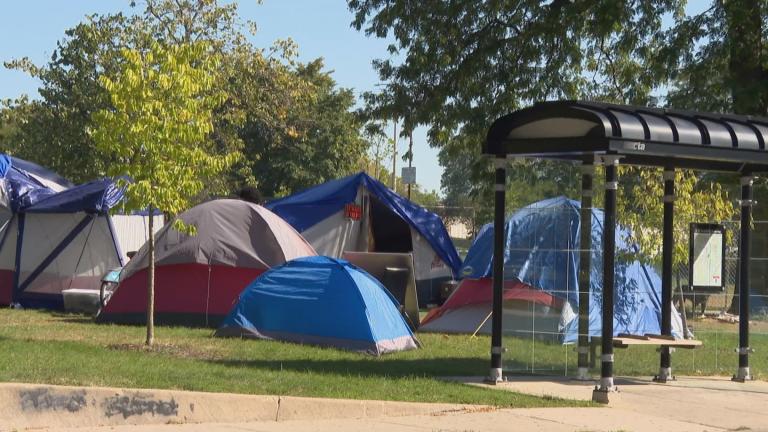
Supporters say the plan would generate approximately $100 million annually to address the root causes of homelessness by building new permanent housing that offers wraparound services.
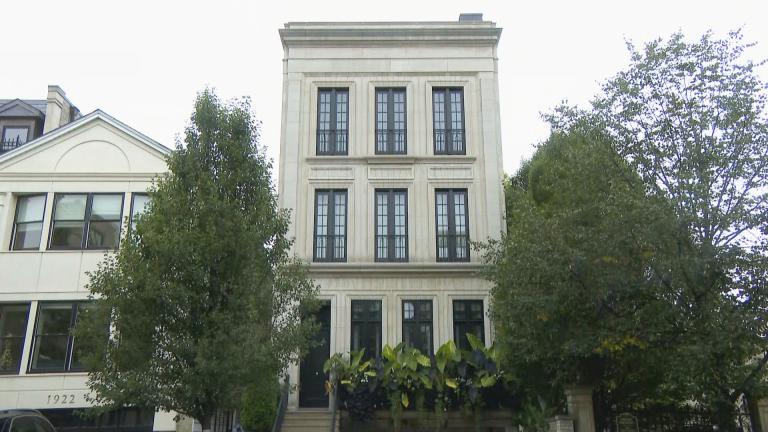
Mayor Brandon Johnson recently announced a new proposal dubbed “Bring Chicago Home,” which would raise about $100 million dollars to fight homelessness by raising taxes on all sales above $1 million, and then an additional hike on sales of more than $1.5 million dollars.
Despite the enthusiasm of supporters who held a City Hall rally before the City Council meeting and packed the chambers, Ald. Brendan Reilly (42nd Ward) tried, but failed, to prevent it from heading directly to a committee hearing and vote.
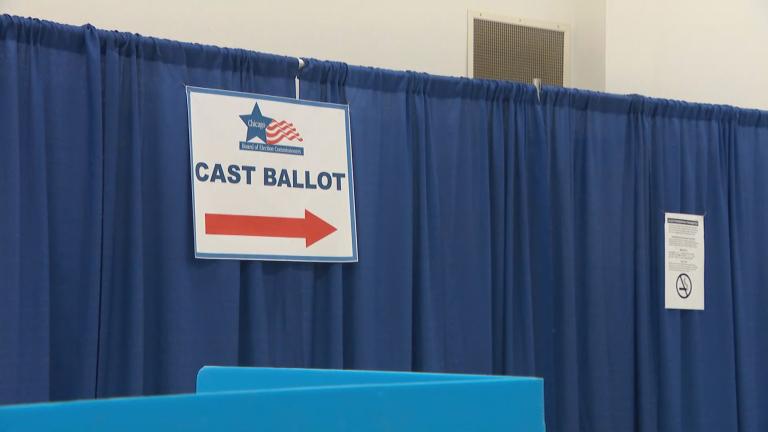
A slate of county and state offices is up for grabs in March, including state’s attorney and circuit court clerk as well as a key seat in the Illinois House to represent the city’s Northwest Side.
A revised version of the proposal known as “Bring Chicago Home” has Mayor Brandon Johnson’s support, setting up a fierce debate in the coming weeks over how the city should fight homelessness.
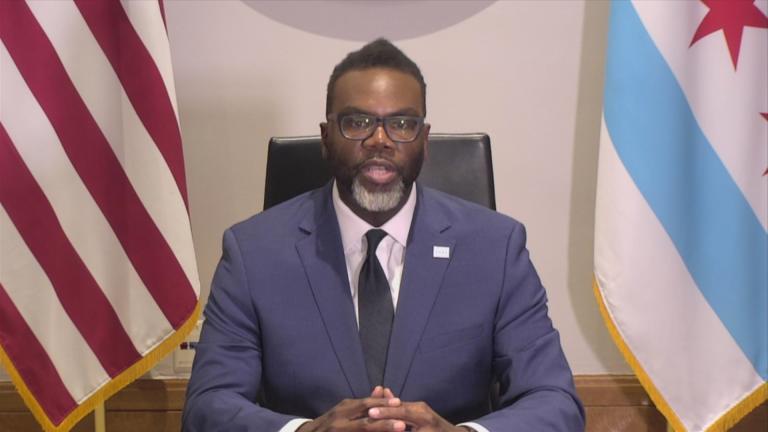
Mayor Brandon Johnson, a former middle school teacher, told WTTW News on Thursday’s “Chicago Tonight” that he would give his administration an A-minus “at least for style,” with much more work to be done.
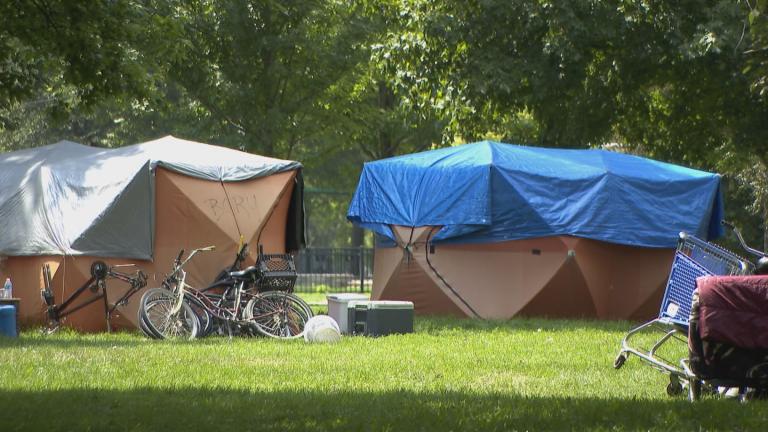
According to the Chicago Coalition for the Homeless, more than 65,000 Chicagoans are currently unhoused.
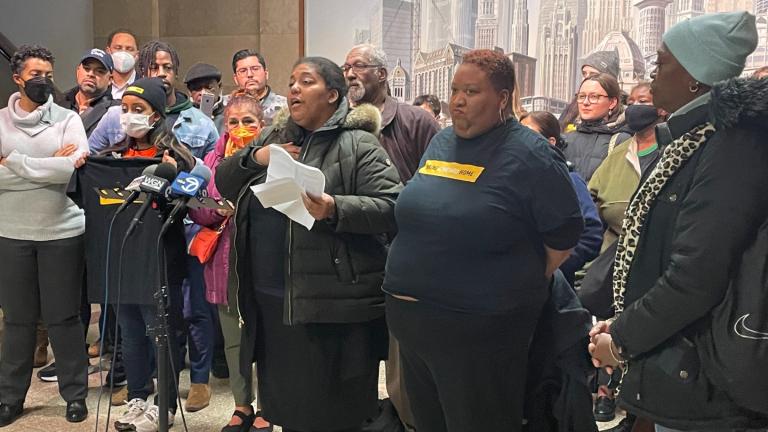
Supporters of the proposal say the change will help the nearly 66,000 Chicagoans who are unhoused by generating approximately $160 million annually — enough to address the root causes of homelessness by building new permanent housing that offers wraparound services like substance abuse counseling.
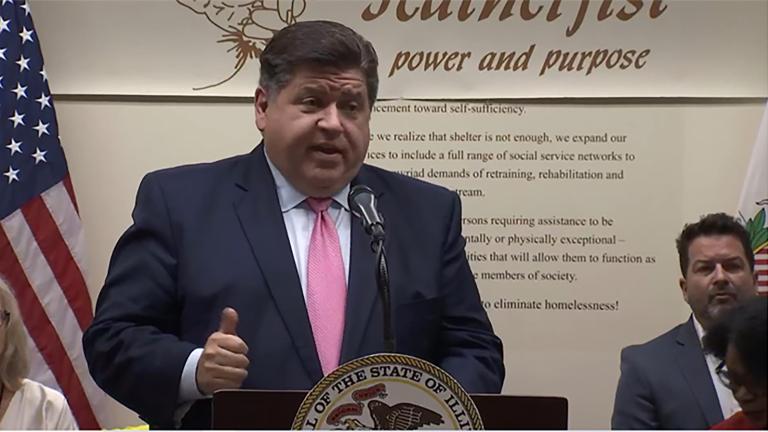
House Bill 2831 codifies an executive order Pritzker signed in 2021 that established the Illinois Interagency Task Force on Homelessness and the Community Advisory Council on Homelessness. It centralizes programs across 17 state departments and agencies to develop and implement a comprehensive plan to combat homelessness.
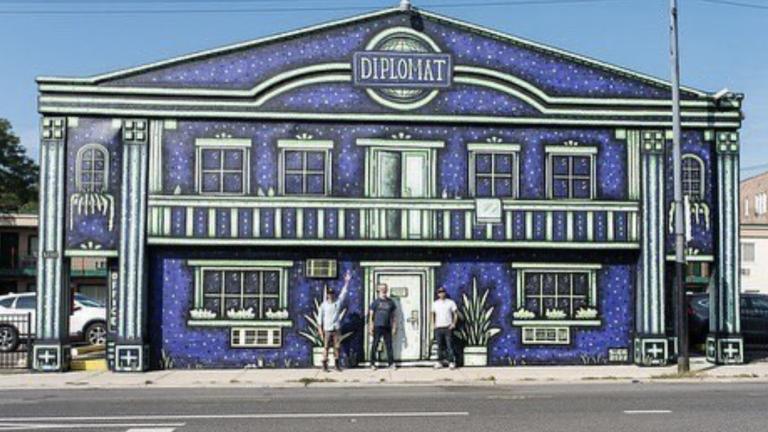
“This can set a model for the rest of the city,” Ald. Andre Vasquez (40th Ward) said, envisioning a similar shelter in each of Chicago’s 50 wards.
Trending
2026 Chicago Festival Guide

CPD Officer Who Fired 3 Shots at Suspected Carjacker on 606 Trail Faces Firing: Records

Interim NITA Director Earning $350K Salary While Also Collecting $213K Annual City Pension, Records Show

Firm Set to Buy Chicago’s Parking Meters Sells Airline That Carried Out Deportations
Chicago Woman Accused of Social Security Fraud After Hiding Mother’s Body in Freezer for 2 Years

Sign up for the WTTW News newsletter