

elections
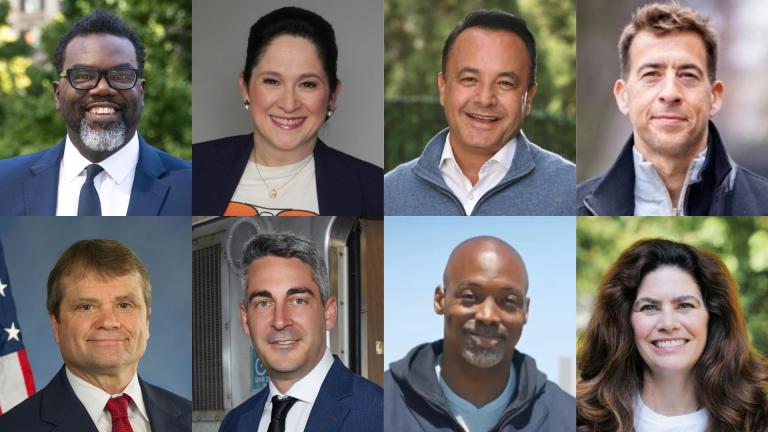
Chicago’s next mayoral election is less than a year away and the list of candidates — and those considering a run — is growing ever larger. Here’s who is in so far.
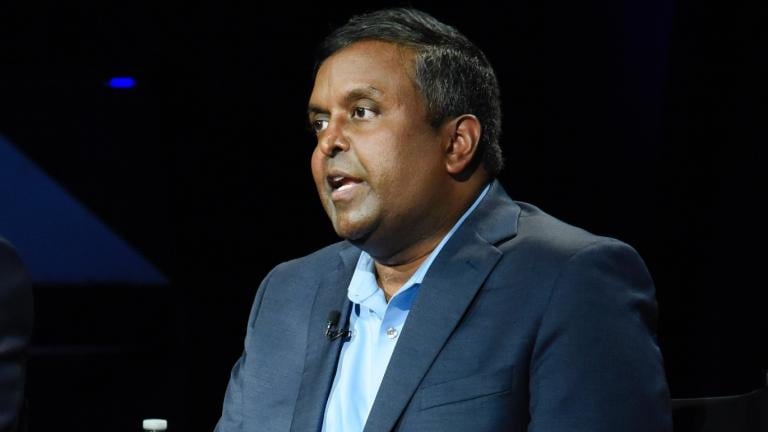
Former Chicago Board of Education vice president Sendhil Revuluri is ending his campaign to become the board’s first-ever elected president, blaming “special-interest cash” for blocking out the “voices of real Chicagoans.”
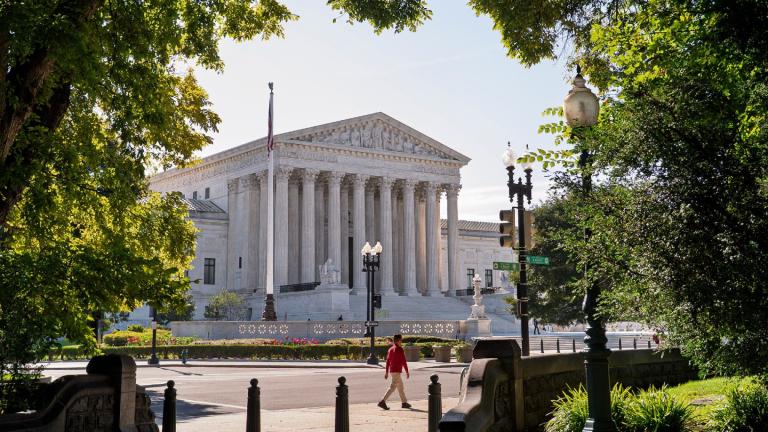
The Supreme Court on Friday lifted restrictions on a controversial federal voter database before November’s elections, granting President Donald Trump a temporary win in his aggressive campaign against noncitizen voting.
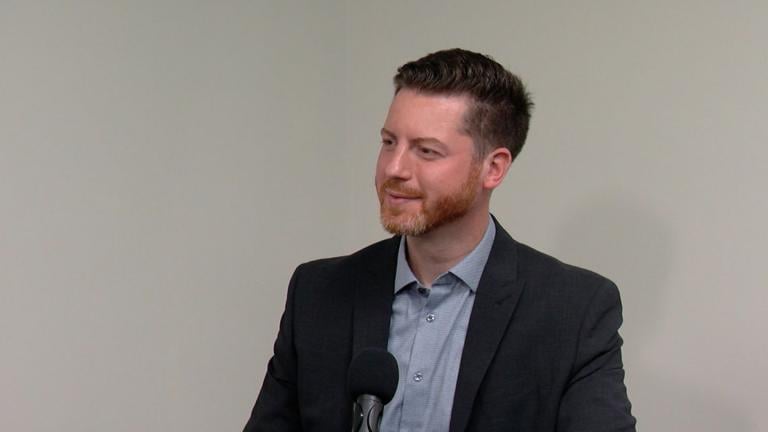
Collin Corbett supports social issues that align with many Democrats while describing himself as fiscally conservative but also supporting a service tax.
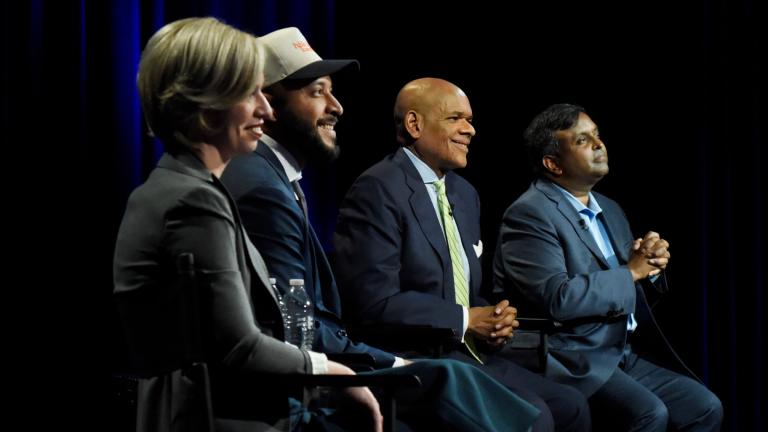

La actual integrante de la junta Jessica Biggs, el exdirector político del Sindicato de Maestros de Chicago (CTU) Hilario Dominguez, el exvicepresidente de la junta Sendhil Revuluri y el abogado litigante Victor Henderson son los cuatro candidatos que buscan convertirse en el próximo presidente de la junta.
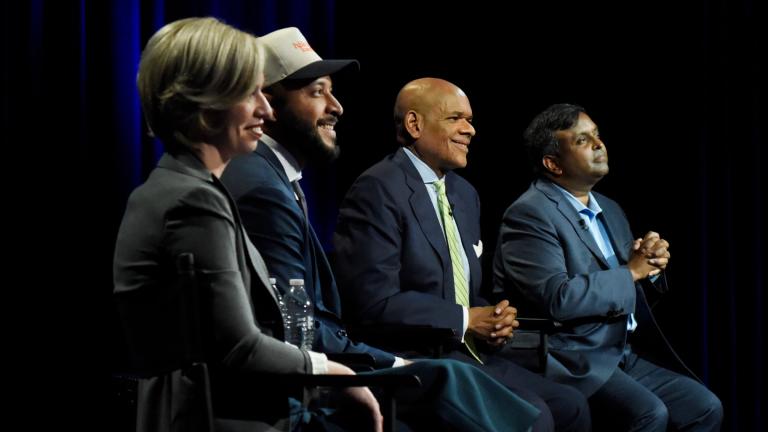
With Election Day less than two months away, the four candidates running to become Chicago’s first-ever elected school board president faced off Tuesday to discuss finances, student achievement and their vision for the future of education as part of a special town hall forum hosted by WTTW News.
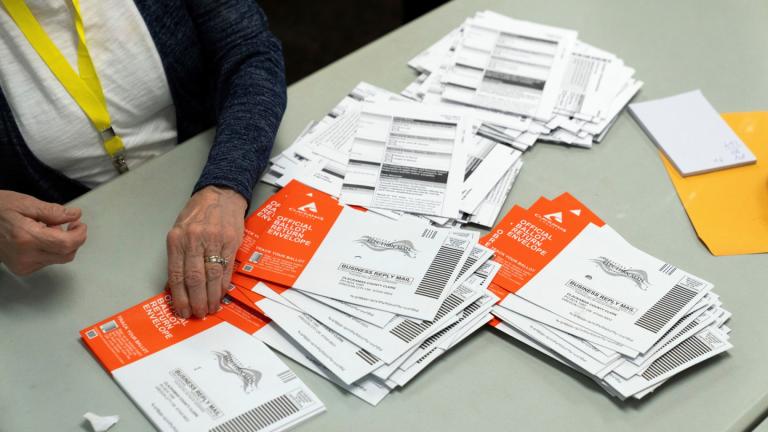
President Donald Trump on Tuesday went after the Supreme Court after it rejected his push to restrict mail-in voting in this year’s midterms, saying justices who opposed him were “not the people I interviewed.”
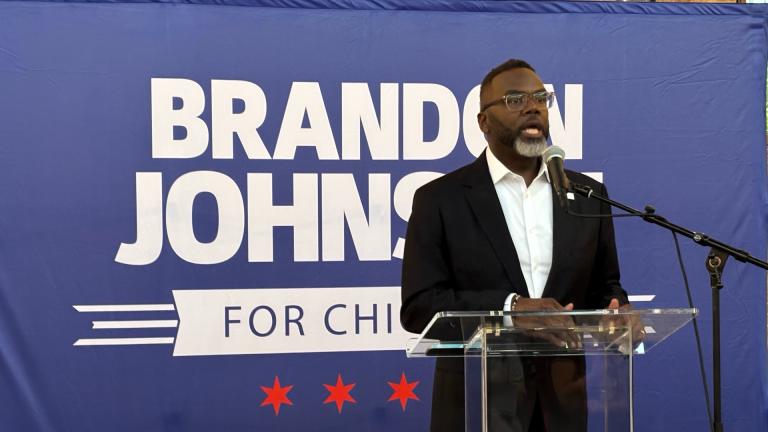
“We can’t go backward,” Mayor Brandon Johnson said, accusing his rivals of wanting to close schools and “militarize our streets.”
For decades, Chicago has been the only city in Illinois with its board of education handpicked by its mayor. In the November general election, for the first time ever, all 21 seats on the board will be up for grabs, ending a reign of mayoral control that dates back to 1995 under Richard M. Daley.
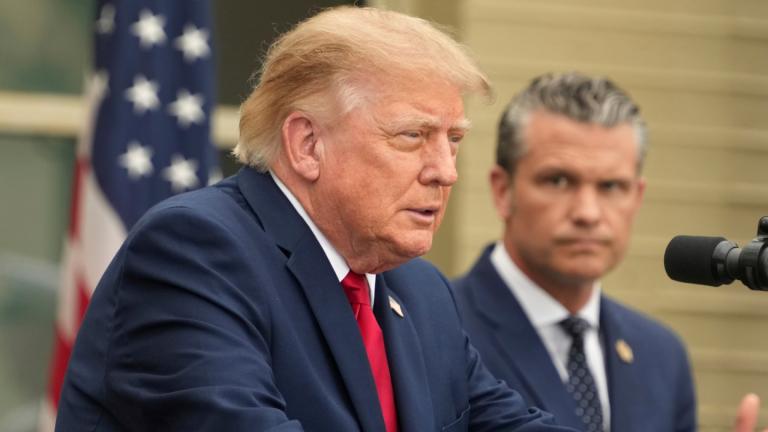
Democratic state parties announced Monday that they are launching an operation for the midterm elections they’re calling the “New Battlefield Project,” intended to recruit 10,000 volunteers to guard polling places in case armed federal officers show up.
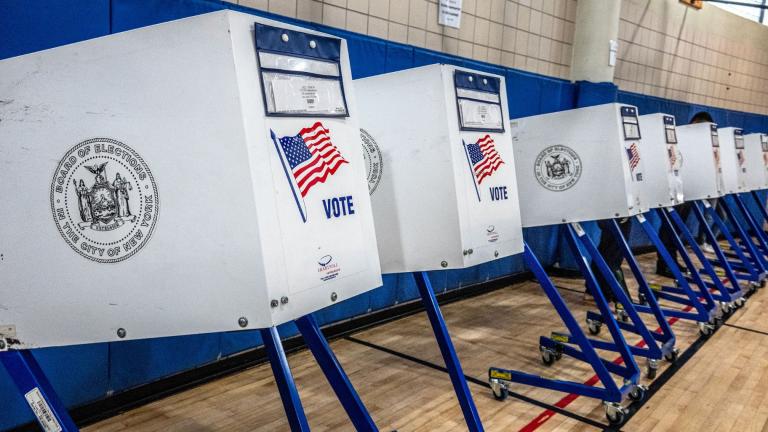
The Department of Homeland Security is planning a surge in its efforts to investigate voter fraud in select states starting Tuesday, according to internal federal guidance reviewed by CNN.
Illinois Attorney General Kwame Raoul on Wednesday announced the lawsuit, arguing President Donald Trump’s executive order is unconstitutional and risks disenfranchising voters by preventing states from effectively administering their vote-by-mail programs.
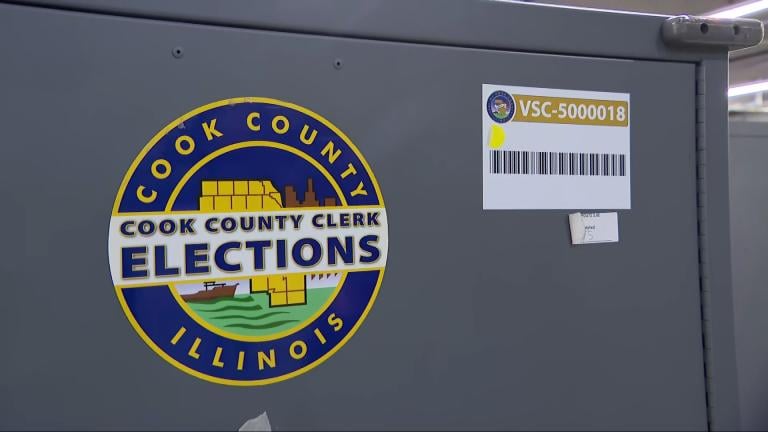
Local and state officials are reassuring Illinoisans about the safety of mail-in voting, while also encouraging them to return their ballots early after a new ruling by the U.S. Supreme Court could cause “chaos” ahead of the November election.
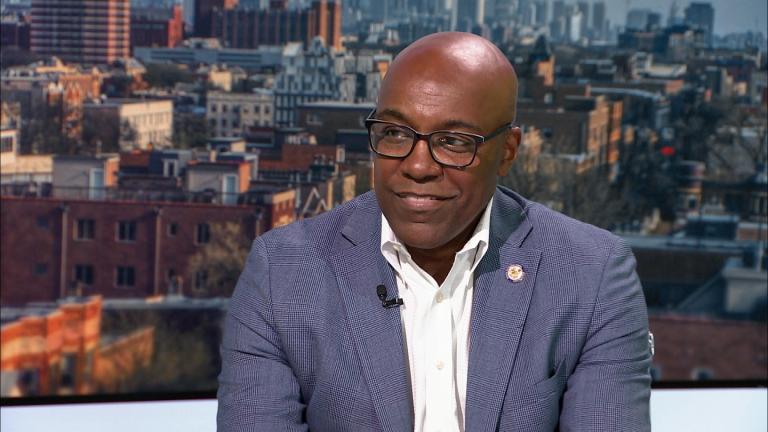
Illinois is continuing its tense relationship with the federal government through an ongoing series of legal battles. Illinois Attorney General Kwame Raoul joined “Chicago Tonight” to provide an update on pending litigation against the Trump administration.
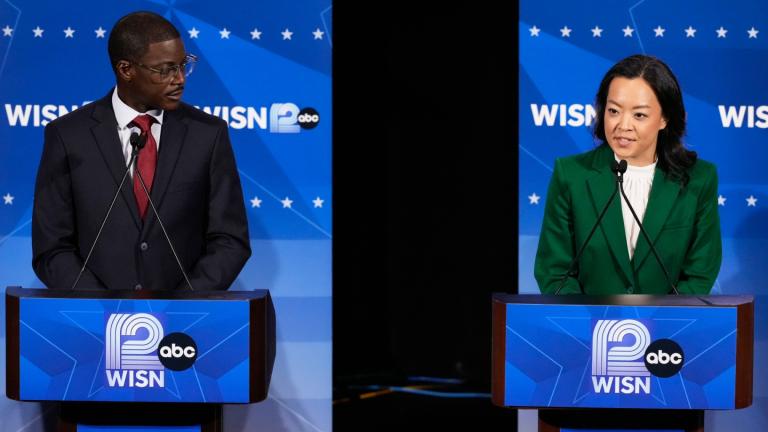
The latest battle over the Democratic ideological divide this year shifts to the upper Midwest on Tuesday as nominating contests for governor in Wisconsin and U.S. senator in Minnesota pit left-wing candidates against more traditional ones.
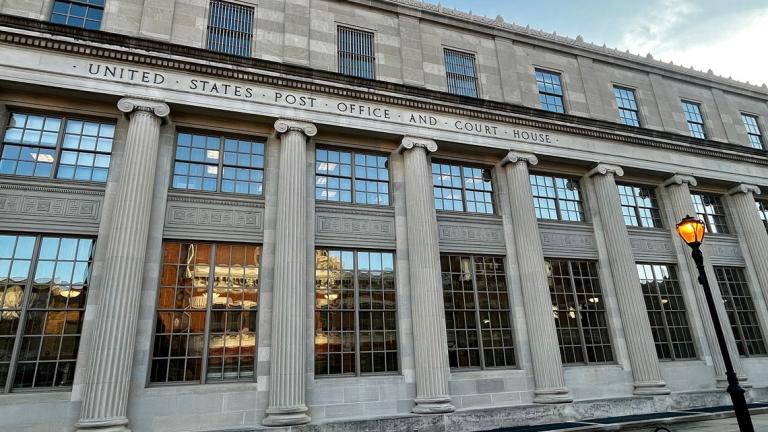
A federal judge ruled that Illinois is not required to hand over its complete, unredacted voter registration data, including sensitive personal information. No court has yet ruled in favor of the Trump administration’s demand for voter data.
Trending
Pair of Chicago Elementary Schools Named Top in Illinois in New U.S. News Rankings

Mother-Son Reunions Among Latest Milestones for Shedd’s Rescued Belugas

Migration Mass Casualty With At Least 1,000 Birds Injured or Killed This Weekend in Chicago and on Northwestern’s Campus

Giannoulias, Quigley, Wilson — But Not Johnson — Among First to File Signatures Ahead of Chicago’s February Mayoral Election
Early Voting for November General Election Expands in Chicago, Suburban Cook County
Sign up for the WTTW News newsletter