

Economy
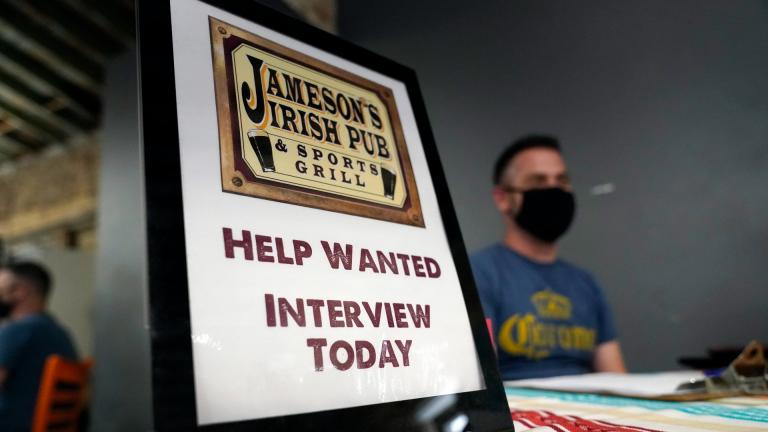
The Labor Department said Friday that 4.4 million people quit their jobs in September, or about 3% of the nation’s workforce. That’s up from 4.3 million in August.

Opponents of the measure are concerned that greenlighting sports betting lounges at Wrigley Field, United Center, Wintrust Arena, Solider Field and Guaranteed Rate Field would stunt the growth of a casino-resort in Chicago.
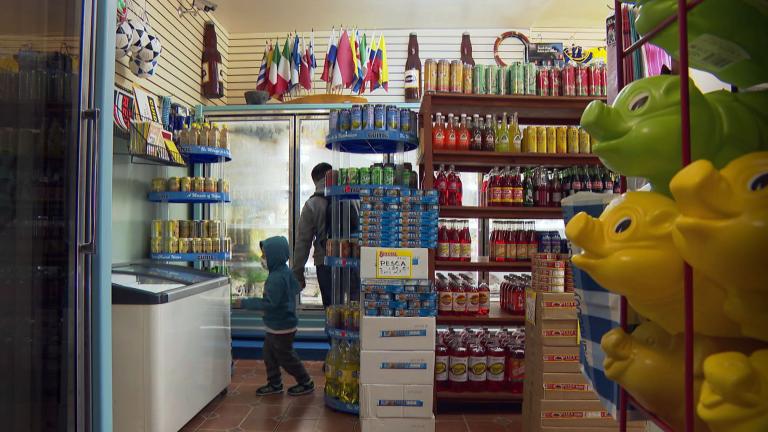

As the holiday season nears and families across the country prepare to observe the traditions that make their celebrations special, the state of the global supply chain has been thrust into the spotlight.
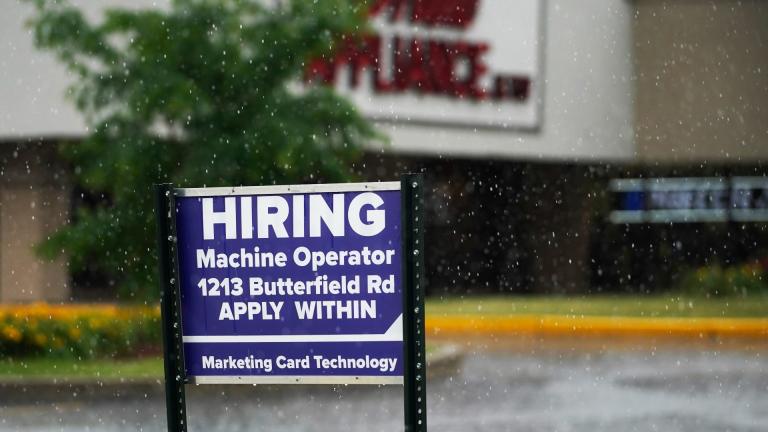
Friday’s report from the Labor Department also showed that the unemployment rate fell to 4.6% last month from 4.8% in September. That is a comparatively low level though still well above the pre-pandemic jobless rate of 3.5%.
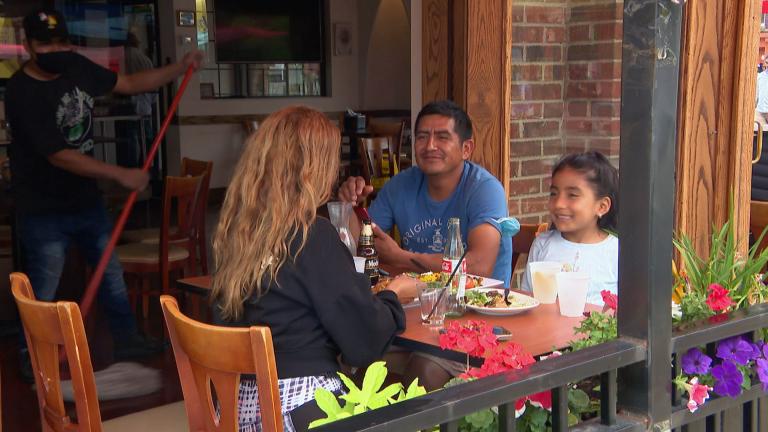
Small businesses and nonprofits grappling with lower-than-expected revenue and higher-than-expected costs have until Nov. 12 to apply for a new round of grants, between $5,000 and $10,000, from the city of Chicago.
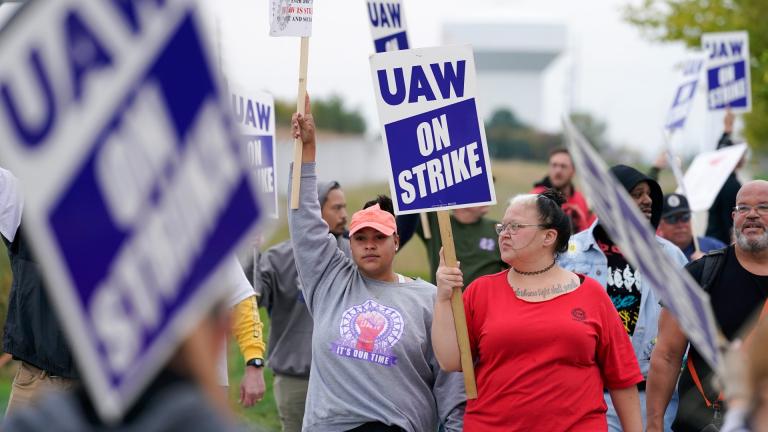
Deere executives said Wednesday that the company wouldn’t return to the bargaining table with striking workers because it wouldn’t offer a better contract than one they rejected that included immediate 10% raises.
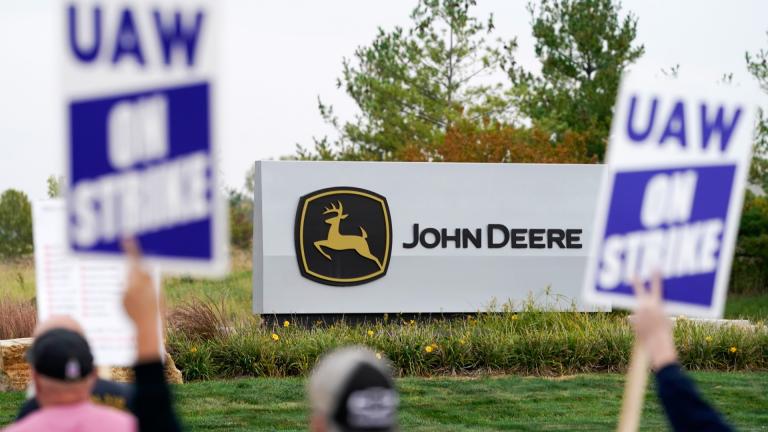
The union said 55% of its members at the 12 main plants voted against this latest contract offer Tuesday.

Three firms want to build a casino and resort in Chicago, Mayor Lori Lightfoot’s office announced Friday. All five proposals are of a “high-caliber,” Lightfoot said in a statement released by the mayor’s office.

Union workers at Deere & Co. would get wage increases of 10% in the first year and 5% each in the third and fifth years under a tentative contract reached between the farm-equipment maker and the United Auto Workers union.
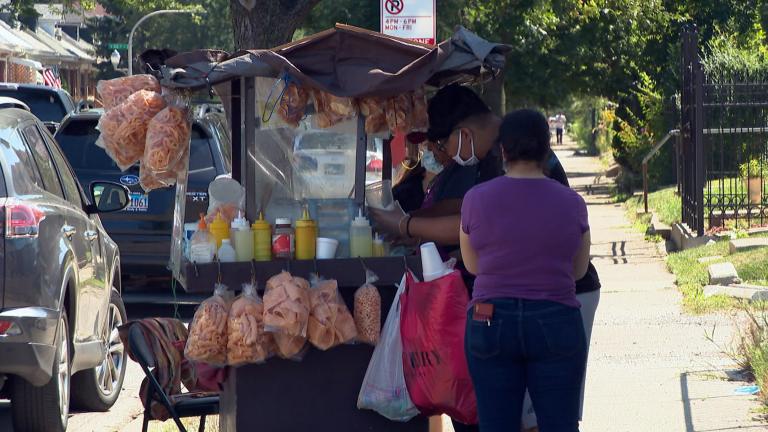
Chicago’s newly approved 2021 budget includes a yearlong basic income pilot for 5,000 Chicago households. We discuss what the city is hoping that money can do to help low-income Chicagoans financially recover from the pandemic.

The Chicago City Council approved Mayor Lori Lightfoot’s $16.7 billion budget on Wednesday with the backing of progressive members who celebrated the spending plan’s focus on affordable housing, mental health, violence prevention, youth job programs and help for unhoused Chicagoans.
Revenue jumped 14% to $6.2 billion in the July-September period, the Chicago burger giant said Wednesday. That beat Wall Street’s forecast of $6 billion, according to analysts polled by FactSet.

Women have lost nearly 3 million jobs since February 2020. A look at the barriers facing low-income, working mothers.

Mayor Lori Lightfoot’s proposal to spend $16.7 billion in 2022 is on track to be approved next week by the Chicago City Council after she agreed Friday to demands from the Progressive Caucus that the city boost spending on mental health services and affordable housing programs.

The city’s Equitable Transit-Oriented Development pilot program awarded micro-grants to 11 projects around Chicago on Wednesday. The funding goes up to $20,000, and technical assistance to get projects off the ground is also included.

Mayor Lori Lightfoot’s proposal to spend $16.7 billion in 2022 faces two critical votes in the coming days, as members of the City Council wrangle behind the scenes on how to spend nearly $2 billion in federal aid while closing massive shortfalls caused by the COVID-19 pandemic.
Trending
2026 Chicago Festival Guide

CPD Sergeant Who Led Botched Raid at Home of Anjanette Young Now Working as a Suburban Police Detective

Woman Charged With Fatally Stabbing 7-Year-Old Girl Walking in Chicago Saturday

Key City Panel Unanimously Agrees to Pay $260.8M to Resolve 16 Lawsuits Tied to Disgraced Ex-CPD Detective Reynaldo Guevara

Marimar Martinez Hopes New Lawsuit Could Spur Criminal Charges 1 Year After Border Patrol Agent Shot Her

Sign up for the WTTW News newsletter