

DOGE

President Donald Trump’s and Elon Musk’s Department of Government Efficiency disbanded less than a year into Trump’s second term and appeared to have caused more chaos than actual savings to the federal government.

The money is a small fraction of what the U.S. has contributed in the past but reflects what the administration believes is a generous amount that will maintain the United States’ status as the world’s largest humanitarian donor.

The November job gains were higher than the 40,000 economists had forecast. The October job losses were caused by a 162,000 drop in federal workers, many of whom resigned at the end of fiscal year 2025 on Sept. 30 under pressure from billionaire Elon Musk’s purge of U.S. government payrolls.

Between the end of February and mid-August, funding ceased for 383 studies that were testing treatments for conditions including cancer, heart disease and brain disease.

The department recently sent letters to local governments in at least six states — Alabama, California, Connecticut, Illinois, Massachusetts and New Mexico — informing them it was withdrawing money awarded under the $1.1 trillion infrastructure law former President Joe Biden signed in 2021.

A group of 287 scientists and current and former NASA employees has issued a declaration lambasting budget cuts, grant cancellations and a “culture of organizational silence” that they say could pose a risk to astronauts’ safety.

Public television stations will be “forced to make hard decisions in the weeks and months ahead,” PBS CEO Paula Kerger said Thursday, after the Senate voted in the middle of the night to approve a bill that cancels all the federal funding for the network and for NPR.
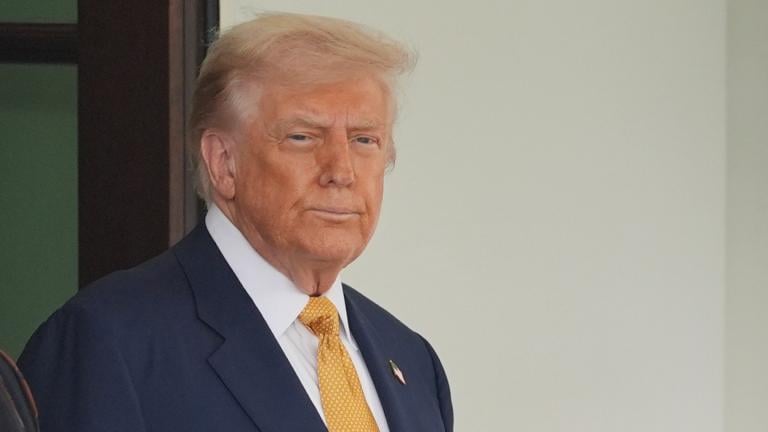
The legislation, which now moves to the House, would have a tiny impact on the nation’s rising debt but could have major ramifications for the targeted spending, from the Corporation for Public Broadcasting to U.S. food aid programs abroad.
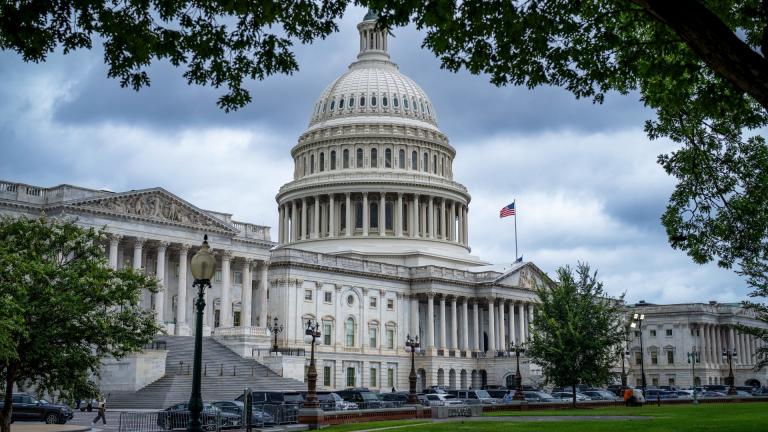
Senate Republicans on Tuesday advanced President Donald Trump’s request to cancel some $9 billion in previously approved spending, overcoming concerns from some lawmakers about what the rescissions could mean for impoverished people around the globe and for public radio and television stations in their home states.
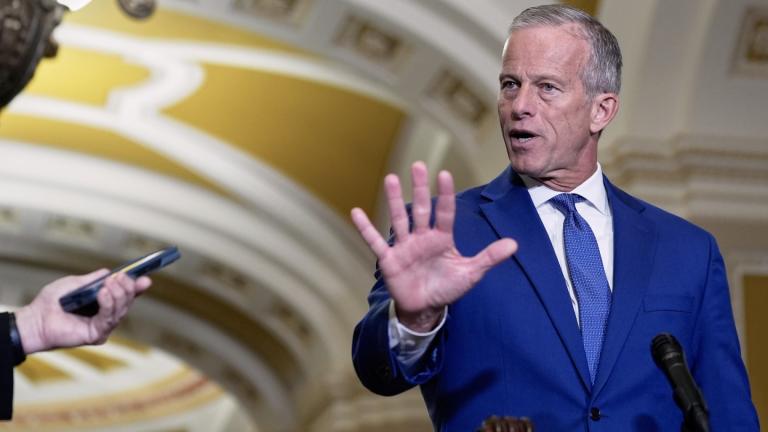
Senate Republicans will test the popularity of Department of Government Efficiency spending cuts this week by aiming to pass President Donald Trump’s request to claw back $9.4 billion in public media and foreign aid spending.

A study published Monday in The Lancet estimates that the USAID funding cuts could result in more than 14 million additional deaths by 2030. Nearly a third of those deaths – more than 4.5 million – are estimated to be among children younger than 5.
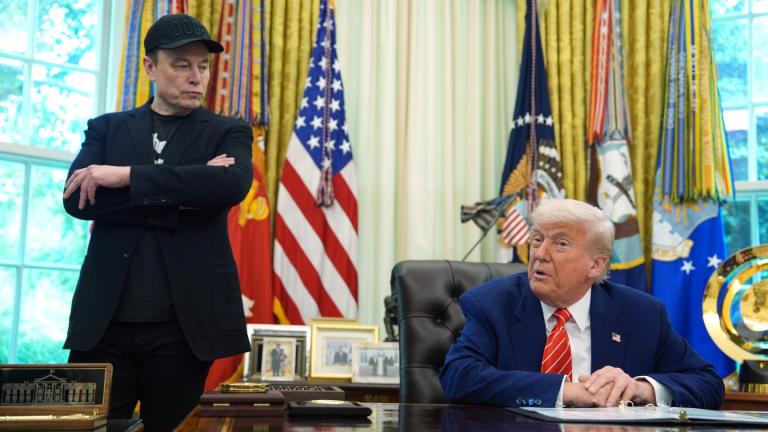
The dispute has laid bare not only the differences between the Republican president and one of his most vociferous one-time advocates, but also has reignited the possibility that the world’s richest man will — along with his billions — reenter the political spending arena.
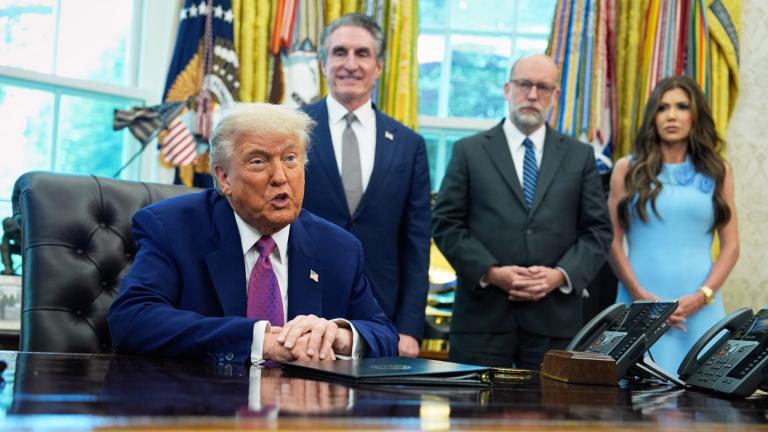
Attorneys general from more than 20 states and Washington, D.C. filed a federal lawsuit Tuesday challenging billions of dollars in funding cuts made by the Trump administration that would fund everything from crime prevention to food security to scientific research

The Trump administration’s quiet backtracking from the firings and voluntary retirements — which are also paired with new hires to fill vacancies those departures created — come as federal agencies are still implementing their “reduction-in-force” plans as part of a push for spending cuts.
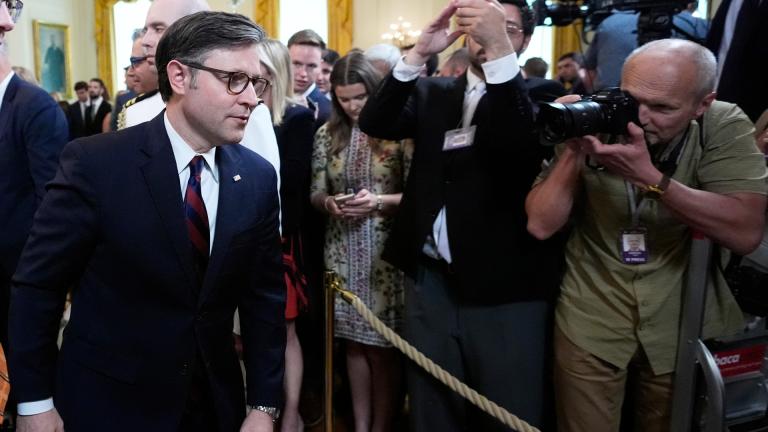
The House narrowly voted Thursday to cut about $9.4 billion in spending already approved by Congress as President Donald Trump’s administration looks to follow through on work done by the Department of Government Efficiency when it was overseen by Elon Musk.

On Monday, scores of scientists at the agency sent their Trump-appointed leader a letter titled the Bethesda Declaration, challenging “policies that undermine the NIH mission, waste public resources, and harm the health of Americans and people across the globe.”
Trending
Pair of Chicago Elementary Schools Named Top in Illinois in New U.S. News Rankings

Mother-Son Reunions Among Latest Milestones for Shedd’s Rescued Belugas

Migration Mass Casualty With At Least 1,000 Birds Injured or Killed This Weekend in Chicago and on Northwestern’s Campus

Early Voting for November General Election Expands in Chicago, Suburban Cook County

Giannoulias, Quigley, Wilson — But Not Johnson — Among First to File Signatures Ahead of Chicago’s February Mayoral Election
Sign up for the WTTW News newsletter