

CTA
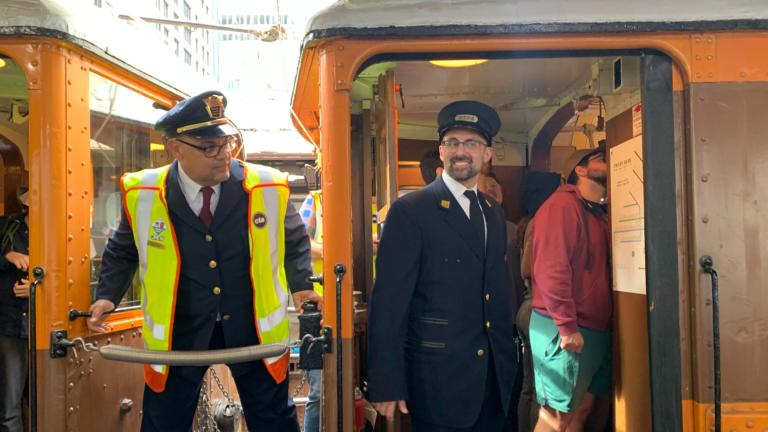
The 4000-series rail cars that commuters and train enthusiasts rode through the Loop on Wednesday were built in 1923 by the Cincinnati Car Company. As part of the special occasion, some CTA employees and retirees were seen sporting Chicago Rapid Transit Company uniforms, a nod to CTA’s predecessor.
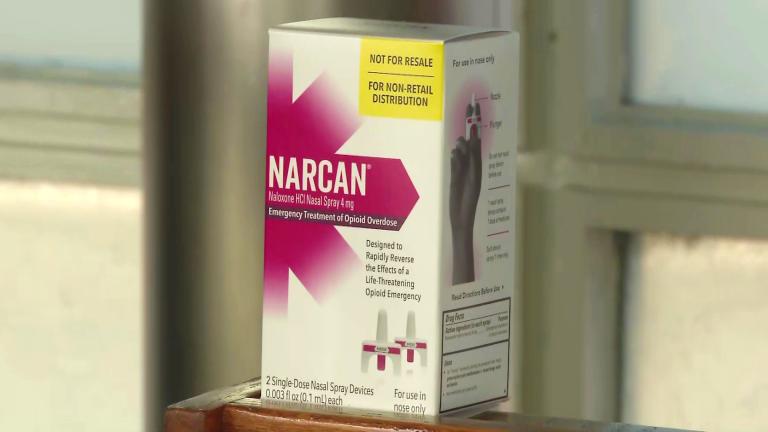
The vending machines will be located at the 47th Street Red Line station, Wilson Red and Purple Line station, Jefferson Park Blue Line station, Harlem/Lake Green Line station and the Central Park Pink Line station.
Johnson on Tuesday signed an executive order calling for a “full-force of government approach” to tackling the pervasive smoking problem on city trains and buses.
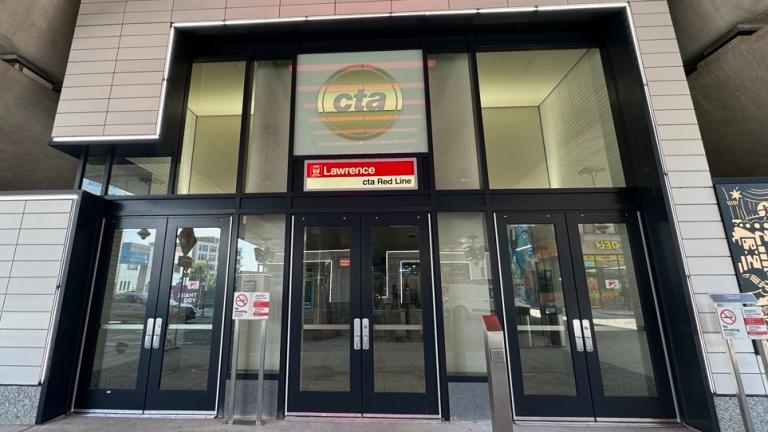
The reconstruction of the four Red Line stations includes new track, support structures, bridges and viaducts built along the section between the Lawrence and Bryn Mawr stations, which were more than a century old.
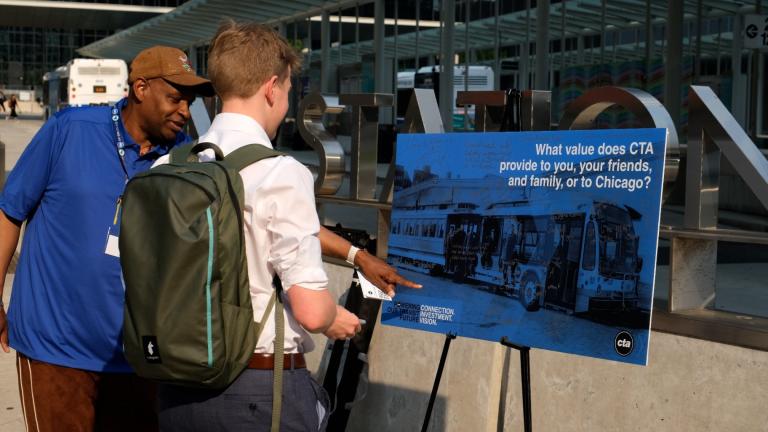
The events are designed for CTA leaders and staff to have open, informal conversations with riders about service, safety, improvements and rider priorities, according to the transit agency.
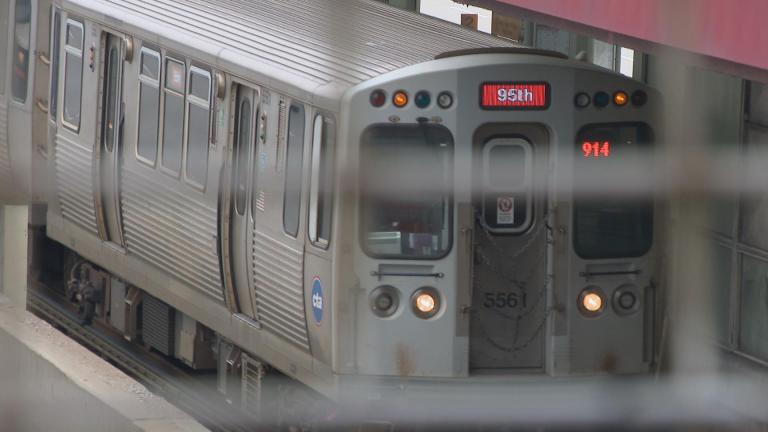
The stations, located at Lawrence, Argyle, Berwyn and Bryn Mawr, will open to the public beginning July 20. City officials said this will mark the largest simultaneous opening of stations since the Orange Line opened in 1993.

“Even if the federal government doesn’t know or care about the Constitution, Chicagoans deserve to know their constitutional rights,” Mayor Brandon Johnson said.
Chicago Transit Authority Acting President Nora Leerhsen said the agency has entered a “new phase” after the Illinois General Assembly failed last month to pass a measure tackling a $770 million budget gap for Chicago-area transit.
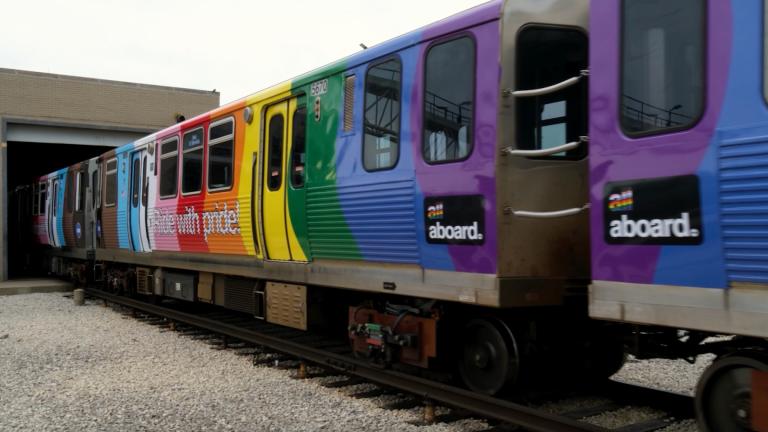
This year marks the eighth year the Pride train is running on the Red Line.
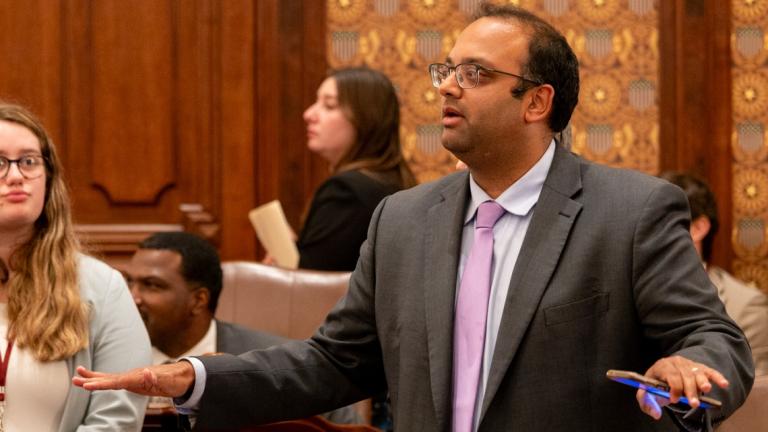
A version of the bill passed in the Senate, sponsored by Sen. Ram Villivalam, D-Chicago. But the House adjourned early Sunday morning without concurring as some of its tax hikes became too controversial. Now, the future of Chicagoland transit is in limbo as the bill awaits further action.

The measure, filed late Wednesday night, features a new menu of revenue sources to help keep Chicago-area buses and trains running. Lawmakers believe the measure will be enough to address the anticipated $770 million fiscal cliff next year.
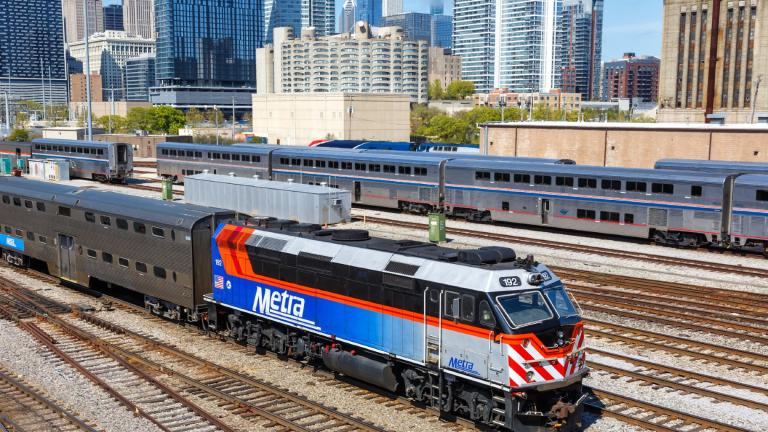
The bill would replace the Regional Transportation Authority, which oversees CTA, Metra, and Pace, with a new entity called the Northern Illinois Transit Authority. It would be charged with creating a universal fare system and ensuring coordination of service and capital projects.
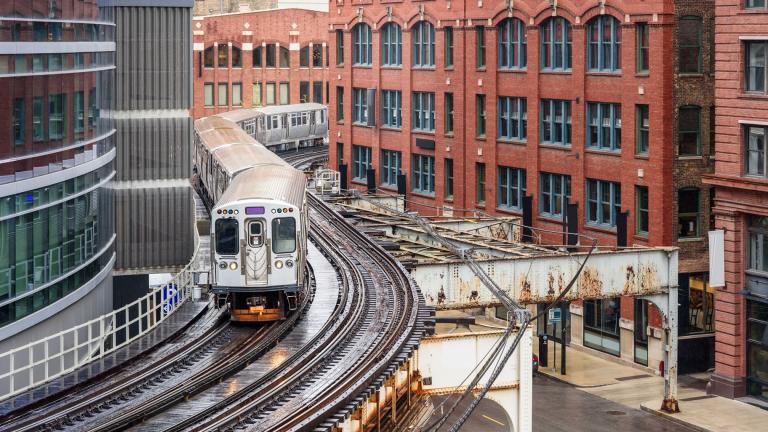
The Chicago Transit Authority has paid out more than $1 million over the past five years to vault operations employees for remote work, despite the fact that their work cannot be done remotely, a new watchdog report has found.
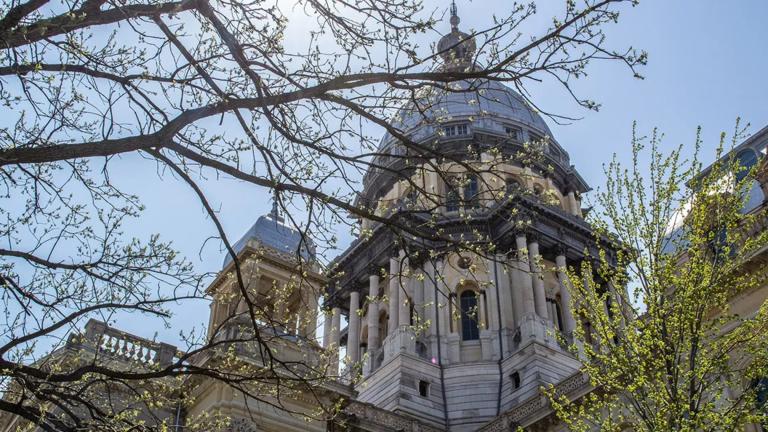
The Illinois General Assembly returned from the long weekend break for its final week of the spring session. Lawmakers have until May 31 to pass a revenue and spending plan with a simple majority of votes.
CTA, Metra and Pace are facing a $770 million hole in their budget next year and are urging the Illinois General Assembly to pass a public transportation funding and reform bill to avoid service cuts and major layoffs at each agency.
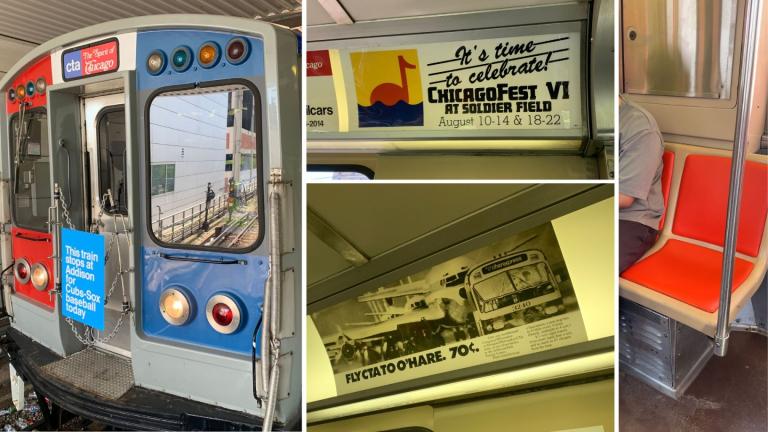
The Chicago Transit Authority ran one of its vintage railcars Friday morning as part of its Heritage Fleet program, which aims to preserve and celebrate retired railcars and buses going as far back as the early 1900s.
Trending
Republican Ohio Gov. Mike DeWine Denounces Ramaswamy Ad Featuring Democrat Amy Acton’s Estranged Mother

CTA to Suspend Loop Elevated Train Service This Weekend for Track Maintenance

Suspend 4 CPD Officers Who Stopped, Shot Dexter Reed for Violating Rights of 4th Driver: Former Top Cop

Chicago DJ Sam Chatman, Known as the Godfather of Steppin’, Dies at 85

CPD Opens Misconduct Probe Into Members’ Use of License Plate Readers
Sign up for the WTTW News newsletter