

Courts
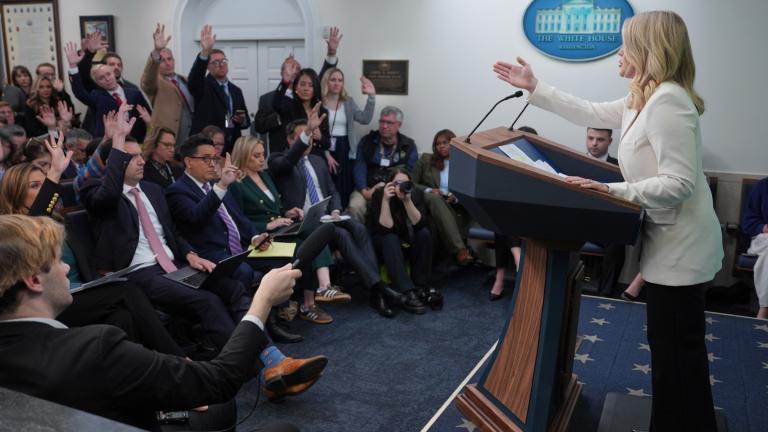
U.S. District Judge Trevor N. McFadden, an appointee of President Donald Trump, ruled that the government can’t retaliate against the AP’s decision not to follow Trump’s executive order to rename the Gulf of Mexico.
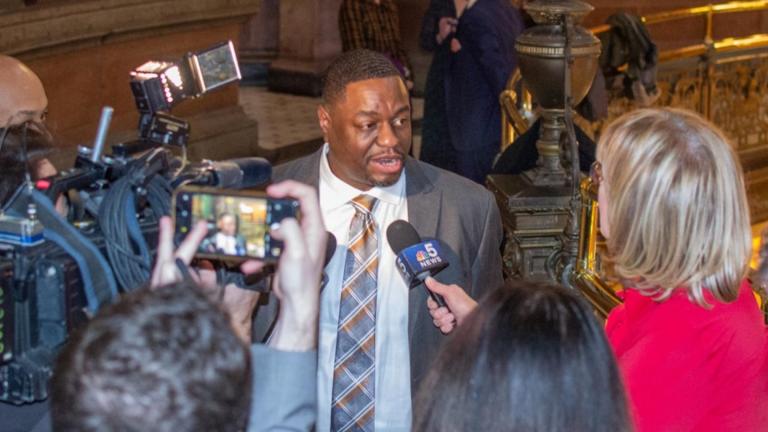
Emil Jones III has remained in office since his September 2022 indictment on three counts including bribery and lying to the FBI, even winning another four-year term in an unopposed race six weeks after being charged.
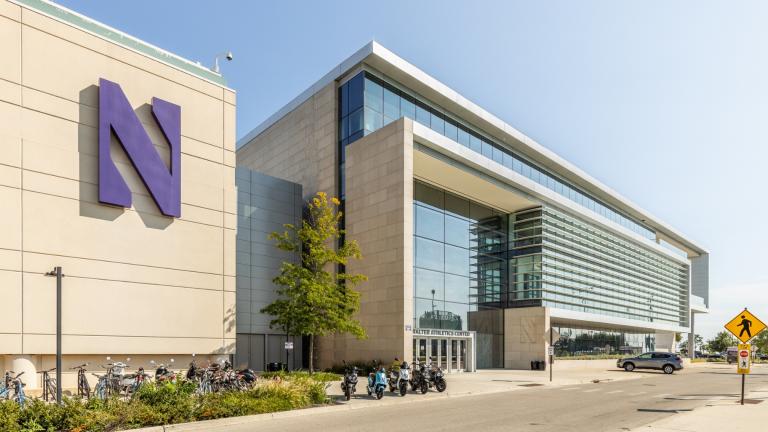
According to a university spokesperson, settlement documents are currently being finalized after Northwestern and the former student athletes recently engaged in a mediation process that resulted in the agreement.

Trump attorneys have conceded in court filings that the administration mistakenly deported the father of three “because of an administrative error,” but said it could not bring him back because he is in Salvadoran custody.
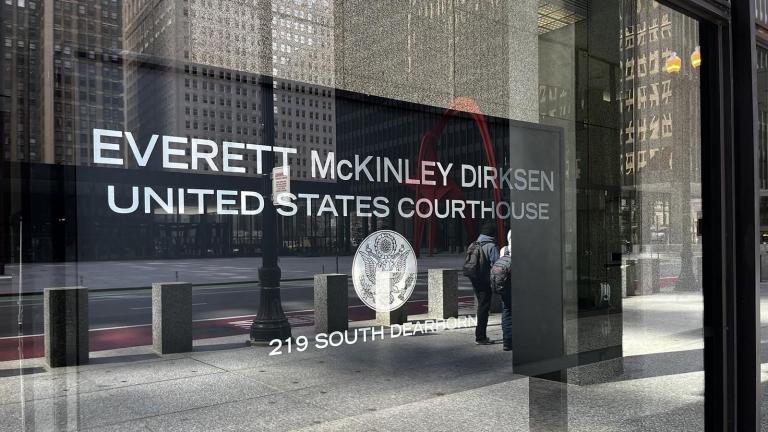
Chicago has a new interim top federal prosecutor as Andrew Boutros took his oath of office and was sworn in Monday as the U.S. Attorney for the Northern District of Illinois.
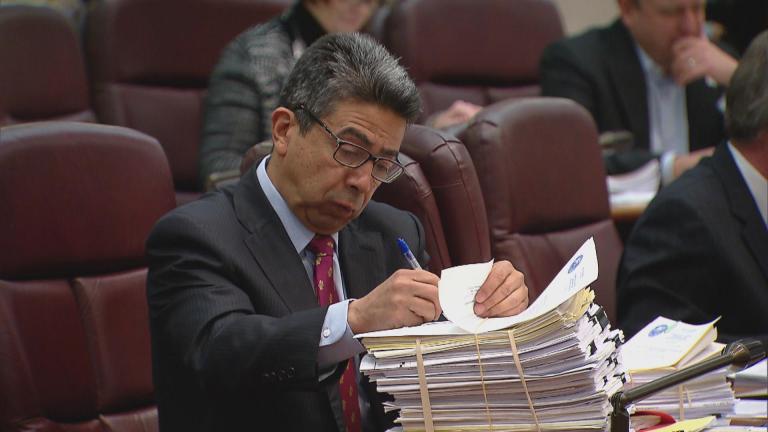
The former 25th Ward alderperson provided key evidence that helped secure the convictions of longtime 14th Ward Ald. Ed Burke and powerful Illinois House Speaker Michael Madigan.

Prosecutors have dropped a charge against a man who Republican Rep. Nancy Mace claimed “physically accosted” her in December, according to recent court filings.
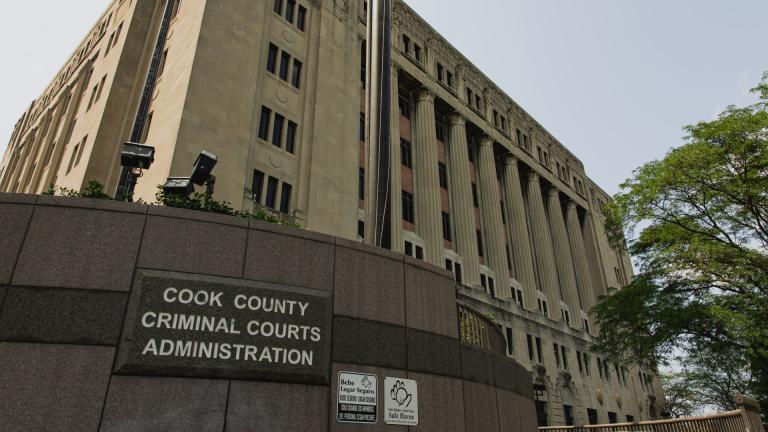

The Cook County Sheriff’s Office is ending its decades-old electronic monitoring program, giving the Chief Judge’s Office sole responsibility for managing its cases.

Attorney General Pam Bondi said Tuesday the Justice Department will seek the death penalty for Luigi Mangione, who is accused of killing an insurance company CEO.
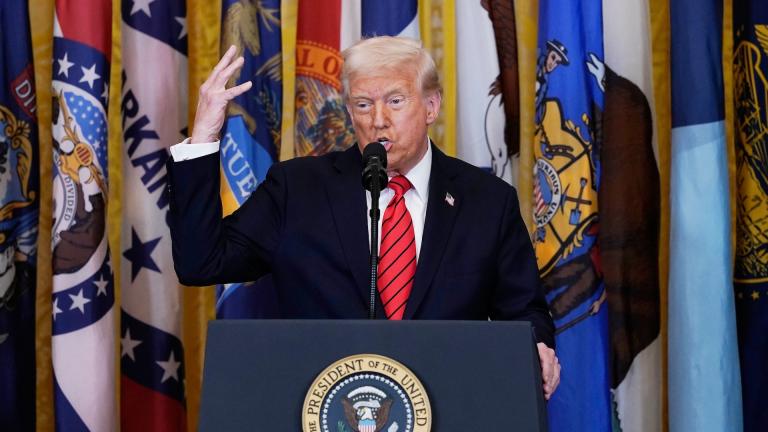
The firm of Jenner & Block on Friday filed a lawsuit seeking to stop President Donald Trump’s order, which it says was made to punish firms that worked with those who investigated the president prior to his second term in office.
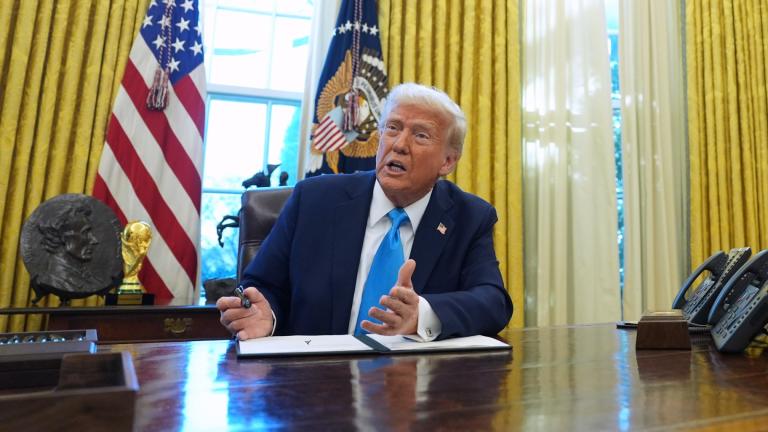
Judge Matthew Kennelly of the U.S. District Court for the Northern District of Illinois halted the Labor Department from requiring federal contractors or grant recipients from certifying that they don’t operate any programs in violation of Trump’s anti-DEI executive orders.
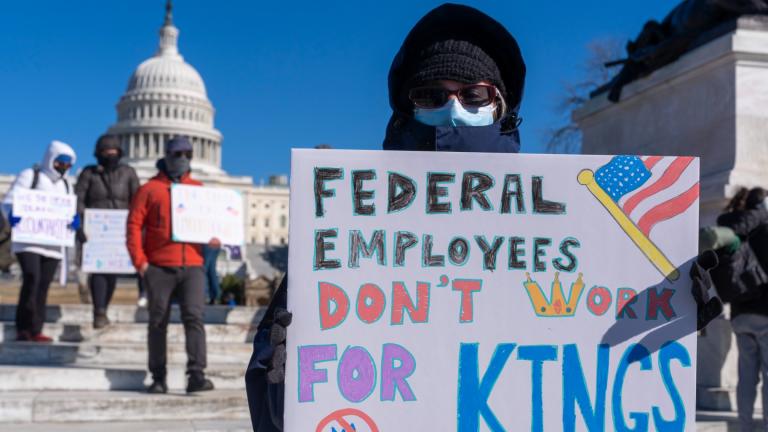
U.S. District Judge James Bredar said he had “great reluctance” to issue a sweeping national preliminary injunction in the case, where 19 states and the District of Columbia contend they have been harmed by a large-scale reduction in the federal workforce without warning as required by law.

Specific dates have not yet been set, but U.S. District Judge Manish Shah on Thursday said each of the so-called “ComEd Four” — former CEO Anne Pramaggiore, Madigan’s longtime confidant Michael McClain, and ex-ComEd lobbyists John Hooker and Jay Doherty — will be sentenced in July.
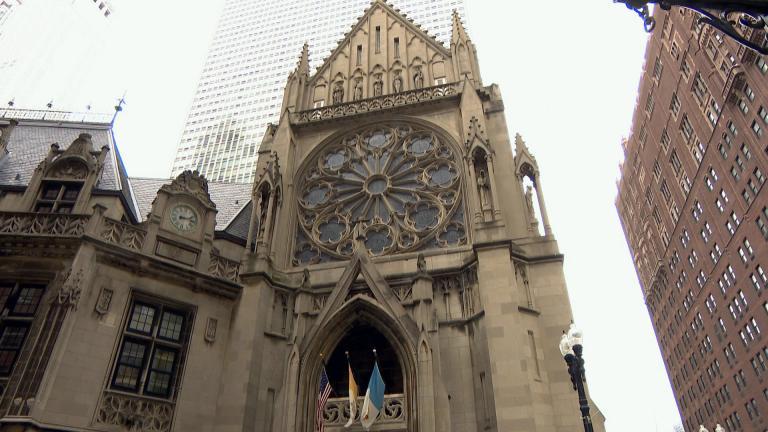
In a filing in Cook County’s circuit court, the archdiocese accused the unnamed defendants of a “quid pro quo” scheme in which they allegedly peddled false claims of abuse in order to extort money from the church.
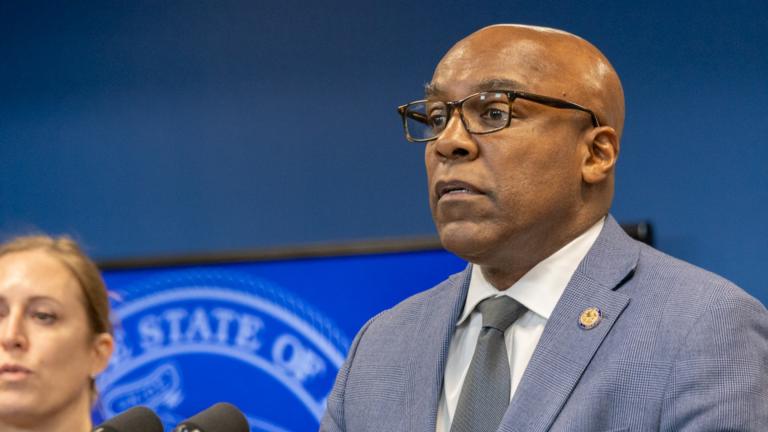
The coalition of Democratic attorneys general is seeking a preliminary injunction to block the mass firing of half the agency’s employees, as well as the transfer of student loan management and special education services to other federal agencies.
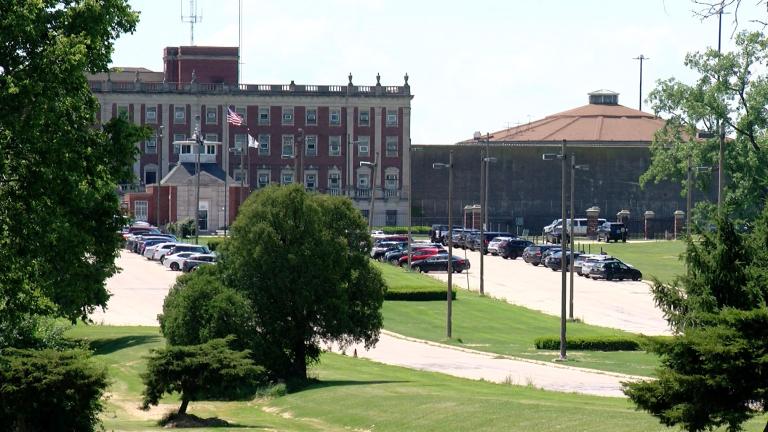
The last men incarcerated at Stateville Correctional Center have been transferred out of the aging facility as of Monday, bringing the 100-year-old prison to a close, according to the Illinois Department of Corrections.
Trending
‘We Have Months Before We Take a Breath,’ Shedd Vet Says as Rescued Belugas Remain on 24/7 Watch

Advocates Rally in Support of Reinstating Parole in Illinois: ‘We’re Violating the Constitution’

Johnson’s Scaled-Back Push to Protect Renters Passes First Test
15 Illinois Residents File Claims Against DHS Alleging They Were Victimized by Federal Agents During ‘Midway Blitz’

South Side Residents Raise Concerns Over Amtrak’s New Railyard Proposal

Sign up for the WTTW News newsletter