

chicago police board
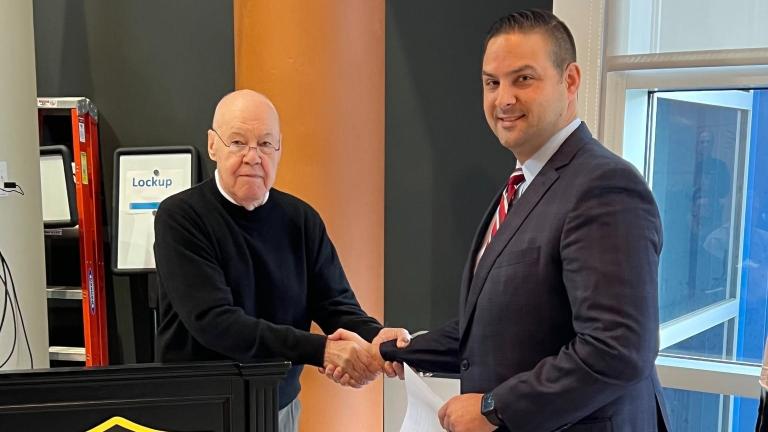
Records show the department is standing by Alex Wolinski even after an appellate court upheld his termination. Anjanette Young criticized the move: “They knew he had this misconduct on his record and hired him anyway. Reform means nothing if another department will just hire them anyway.”
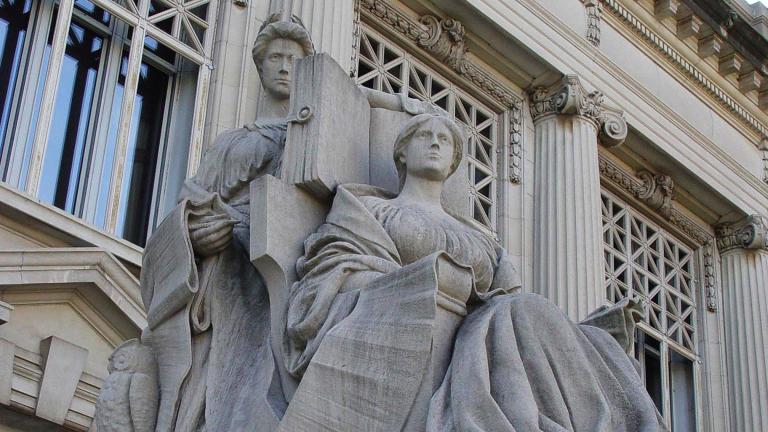
The Illinois Supreme Court could decide the case that has frozen the system Chicago officials used for 60 years to hold accountable officers accused of the most egregious misconduct before the end of the year.

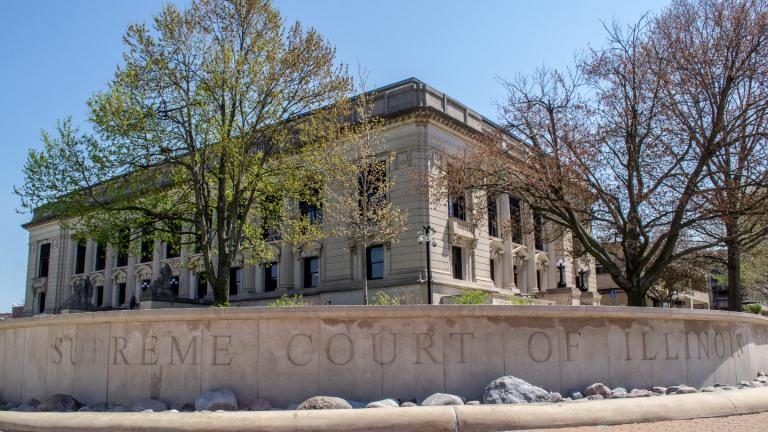
The Illinois Supreme Court will hold oral arguments Thursday amid a legal dispute between the city of Chicago and the city’s largest police union that has lasted for more than two years.
Until the Supreme Court rules, 31 cases will remain in limbo — including three that seek to terminate officers who caused the deaths of Chicagoans, record show.
Officer Charles Harris II faces a suspension of 29 days for failing to activate his body-worn camera as required and failing to notify his supervisors that he had fired his gun, records show.
The decision by the state’s highest court keeps the system Chicago officials used for 60 years to hold officers accused of the most egregious misconduct in a deep freeze. Oral arguments will take place in 2026.
An appeals court ruled last month that Chicago police officers accused of serious misconduct have the right to ask an arbitrator — and not the Chicago Police Board — to decide their fate, but those proceedings must take place in public.
The ruling, which is likely to be appealed to the Illinois Supreme Court, endorses the effort backed by the city’s largest police union to upend the system used for 60 years to punish officers.
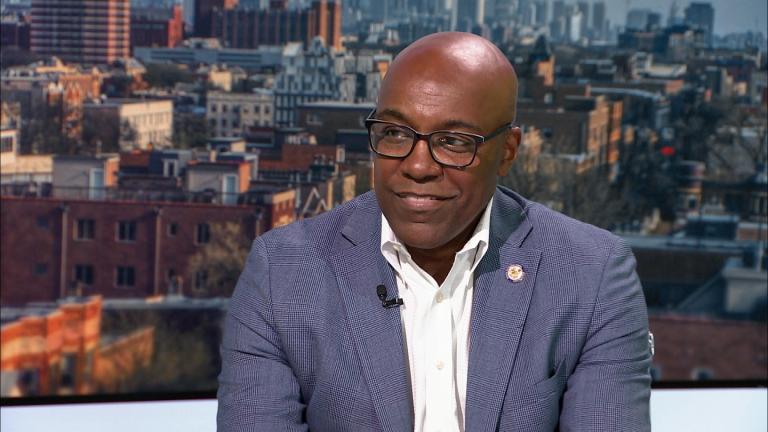
There is no sign Chicago Police Board President Kyle Cooper's pleas will break a legal stalemate that has lasted more than 16 months, keeping the system Chicago officials used for 60 years to hold officers accused of the most egregious misconduct in a deep freeze.
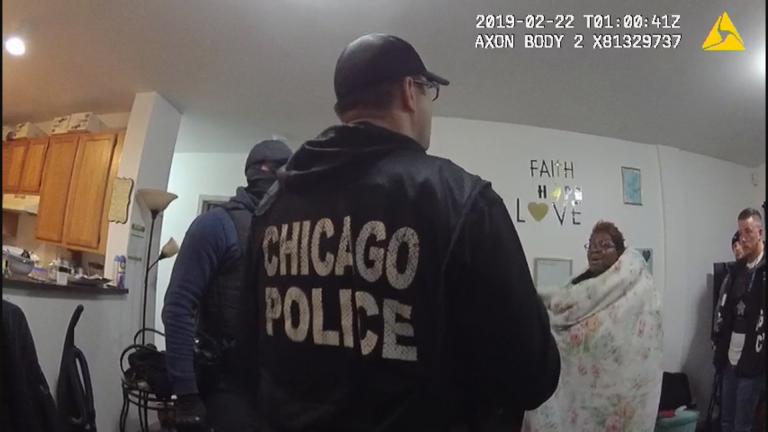
The Police Board voted 5-3 in June 2023 to terminate Sgt. Alex Wolinski, finding that he committed multiple rule violations and a “failure of leadership … so serious as to be incompatible with continued service.”
Judge Michael Mullen’s decision upheld the effort backed by the city’s largest police union to upend the system used for 60 years to punish officers for serious misconduct, but “split the baby,” said Fraternal Order of Police President John Catanzara.
Judge Michael Mullen’s decision, which is subject to appeal, upholds the effort backed by the city’s largest police union to upend the system used for 60 years to punish officers.
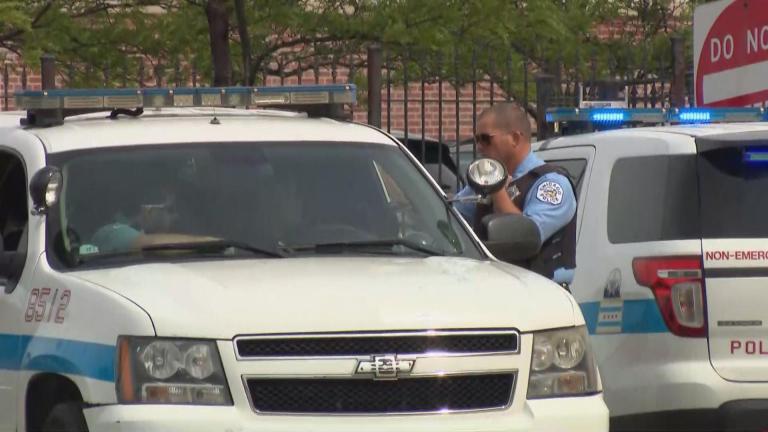
A Cook County judge Monday allowed proceedings before the Chicago Police Board to resume as he prepares to rule on an effort backed by the city’s largest police union to upend the system used for 60 years to punish officers.
After a spirited debate, Ald. Scott Waguespack (32nd Ward) — once the leading progressive voice on the Chicago City Council — was the only alderperson to change their position since the December vote.
A vote on the measure could come as soon as Jan. 31, triggering what is likely to be a fierce legal fight that will determine whether, and how, city officials can hold officers accountable for serious misconduct.
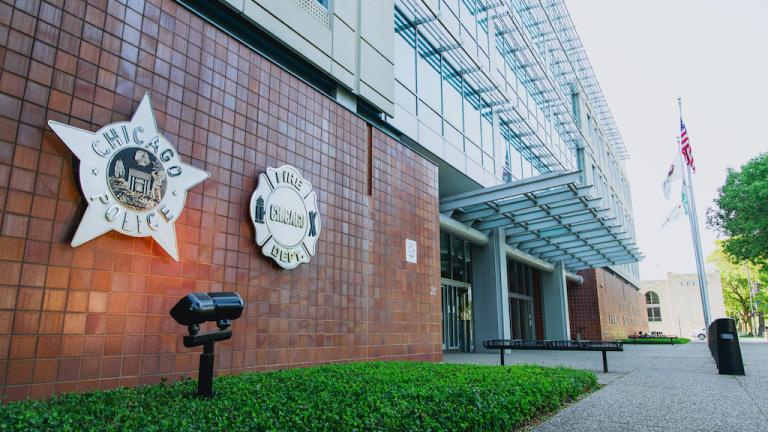
The Chicago Police Board will move ahead with evidentiary hearings to determine “whether the officers violated any of the Chicago Police Department’s rules of conduct and, if so, the appropriate disciplinary action,” Vice President Paula Wolff wrote in her decision.
Trending
Pair of Chicago Elementary Schools Named Top in Illinois in New U.S. News Rankings

Mother-Son Reunions Among Latest Milestones for Shedd’s Rescued Belugas

Republican Ohio Gov. Mike DeWine Denounces Ramaswamy Ad Featuring Democrat Amy Acton’s Estranged Mother
Chicago to Test New Gunshot Detection System in 6 South, West Side Districts: Johnson

CTA to Suspend Loop Elevated Train Service This Weekend for Track Maintenance

Sign up for the WTTW News newsletter