

Chicago Finances
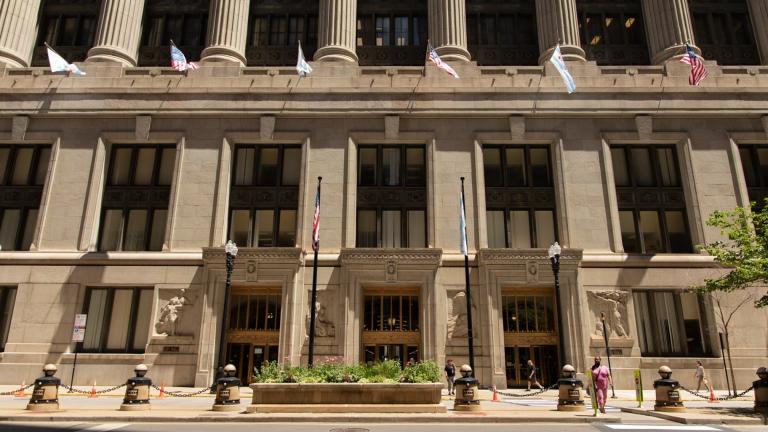
The move was announced Monday by Annette Guzman, the city’s budget director, and comes as city leaders stare down a $222.9 million deficit this year and a projected $982 million shortfall in the 2025 fiscal year.
“There are sacrifices that will be made,” Mayor Brandon Johnson said.
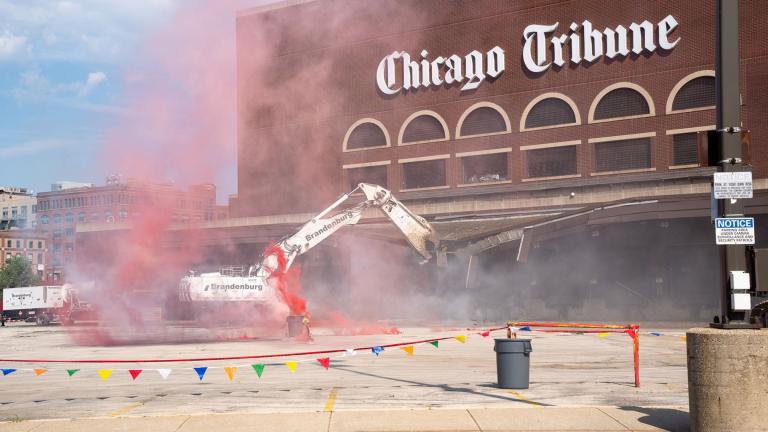

The permanent casino will be four times as big as the temporary casino now open at the Medinah Temple at Ohio Street and Wabash Avenue.
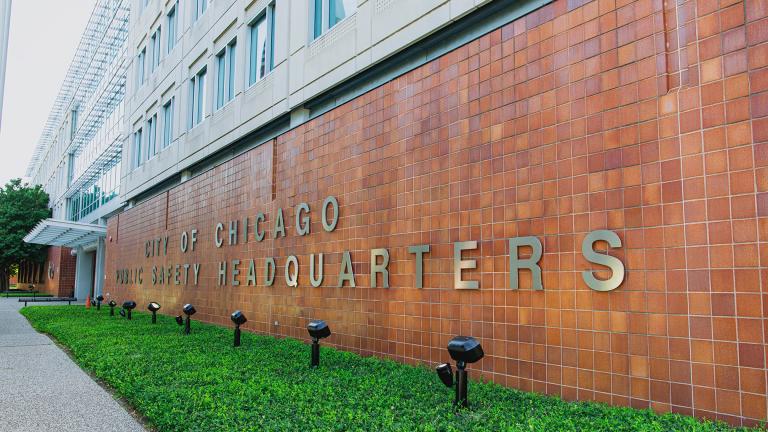
Cases that involved at least one officer with repeated claims of misconduct accounted for nearly 43% of the $384.2 million paid by taxpayers to resolve police misconduct cases between 2019 and 2023, according to the analysis.
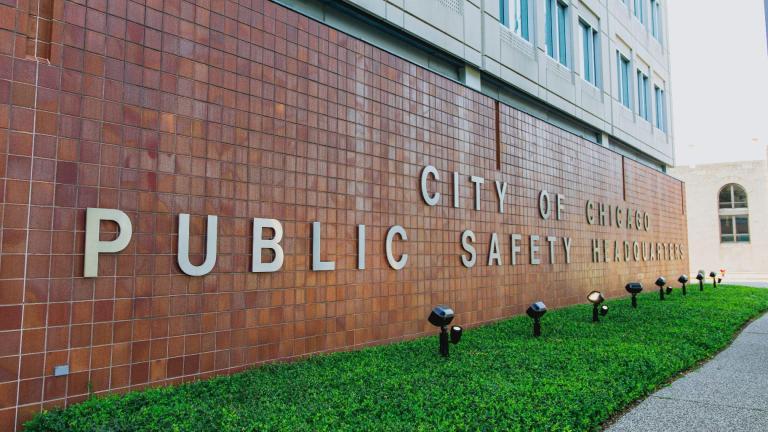
Chicago taxpayers have paid nearly $71.9 million since 2019 to resolve lawsuits involving police pursuits, with the city’s insurance coverage paying an additional $25 million, according to a WTTW News analysis.
In all, Chicago owes $37.2 billion to its four employee pension funds representing police officers, firefighters, municipal employees and laborers, according to the 2023 Annual Comprehensive Financial Report.

As the mayor ramps up work on his second budget proposal, a newly formed Chicago City Council subcommittee is set to meet at noon Wednesday to start examining the dozens of proposals to increase the amount of money officials have on hand to spend starting in 2025.
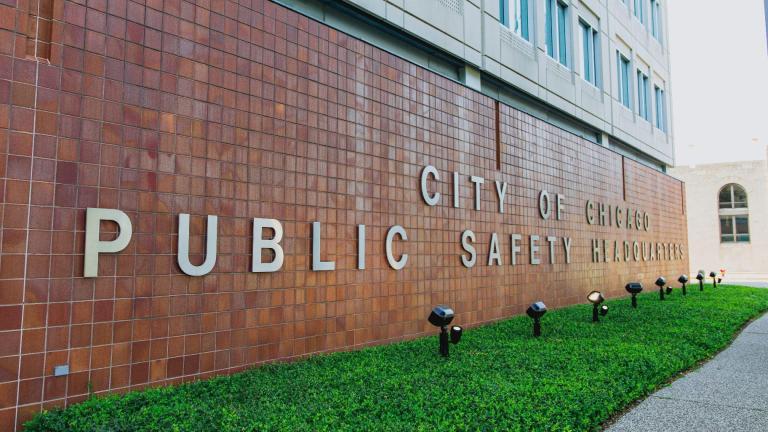
The City Council’s Finance Committee is set to consider the proposed settlement, which calls for taxpayers to pay $21 million and the city’s insurance company to pay $29 million.
The Chicago Police Department has fully met just 7% of the consent decree’s requirements, according to the most recent report by the team monitoring CPD’s progress.
In all, Chicago spent $202 million on a host of programs including affordable housing, mental health, violence prevention, youth job programs and help for unhoused Chicagoans through March 31, records show.
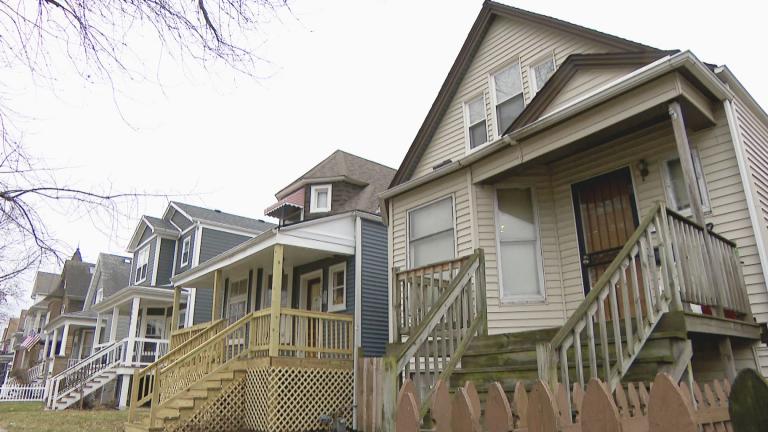
The approval represents a major win for Mayor Brandon Johnson, who has touted the proposal as a way to make Chicago a more equitable place to live by “investing in people” and expanding the city’s economic capacity — without raising taxes on Chicago property owners.
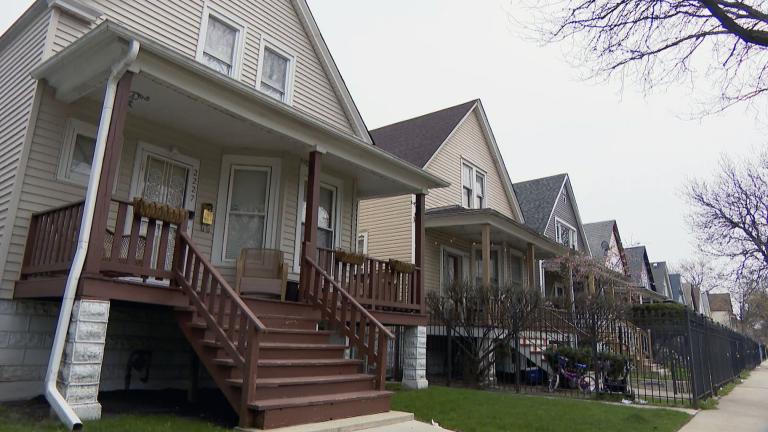
Civic Federation President Joseph Ferguson called the complicated proposal to phase out the city’s decades-long reliance on tax increment financing districts, known as TIFs, “sensible” and “responsible.”
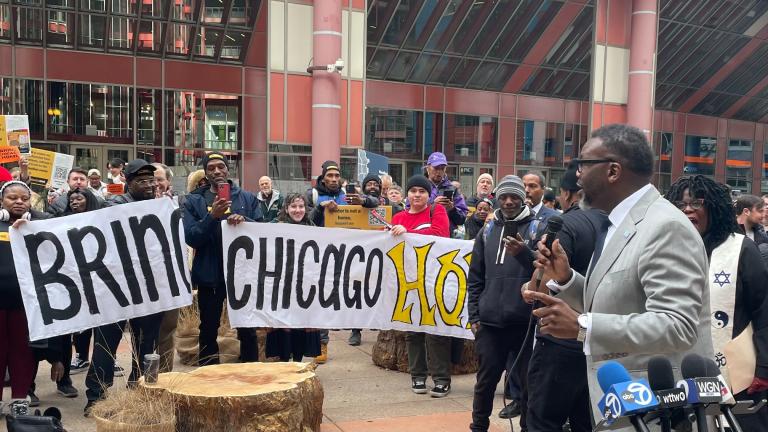
After 12,634 mail-in ballots were counted by Chicago election officials late Friday, the results were essentially unchanged. Approximately 53% of voters rejected Ballot Question No. 1, better known as Bring Chicago Home, according to unofficial totals.
The mayor has touted the proposal as a fulfillment of a promise he made during the 2023 campaign to make Chicago a more equitable place to live by “investing in people” and expanding the city’s economic capacity — without raising taxes on Chicago property owners.
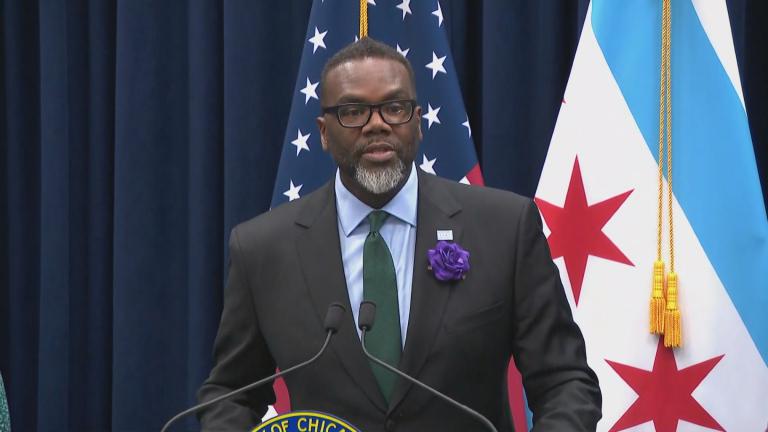
“No one said it was going to be easy,” Mayor Brandon Johnson said. “I’m very much committed. The fight still goes on. We’re going to keep organizing.”
The last time Chicago voters passed a binding referendum that applied to the entire city was 1885, when they voted to create the Chicago Board of Election Commissioners, according to city records.
Trending
Who Is Running, or Thinking About Running, to Become Chicago’s Next Mayor

Suspend CPD Officers, Sergeant Repeatedly Accused of Making Improper Traffic Stops for a Combined 330 Days: Police Brass

No Tax Hikes or Layoffs Needed to Close Cook County’s $550M Gap Thanks to ‘Budget Magic’: Preckwinkle

Hilario Dominguez, Candidate for CPS Board President, Defends Conduct as Watchdog Reopens Probe Into Inappropriate Behavior Allegations

Johnson’s Debt Refinancing Plan Results in Just Half of What He Promised, Forcing Officials to Scramble to Fill Budget Gap

Sign up for the WTTW News newsletter