Education
Trump Administration Demands Changes to Illinois Policies on School Mental Health Screenings
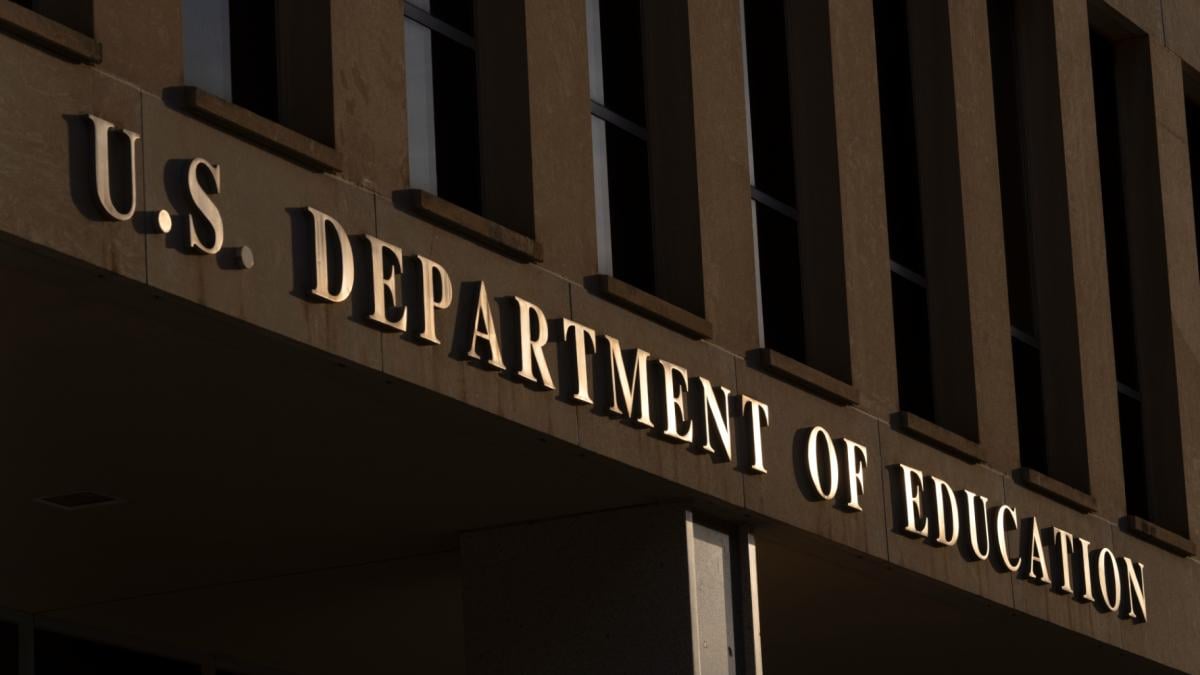 The headquarters of the U.S. Department of Education, which were ordered closed for the day for what officials described as security reasons amid large-scale layoffs, are seen Wednesday, March 12, 2025, in Washington. (Mark Schiefelbein / AP Photo)
The Trump administration is demanding changes to the way the Illinois State Board of Education handles student recordkeeping and mental health screenings, claiming that it may violate federal law.
The U.S. Department of Education on Friday is giving ISBE two weeks to revise its current policies both on the way it administers mental health screenings and separates those files from students’ education records.
“Students should not be pressured into disclosing intimate information, including mental health, about themselves without their parents knowing and consenting,” Frank Miller, the director of the Student Privacy Policy Office at the U.S. Department of Education, said in a statement. “Parents, at the same time, should be able to access critical information about their child’s wellbeing without schools hiding or separating such information.”
ISBE spokespeople did not immediately respond to a request for comment Friday.
Illinois is set to begin offering mental health screenings for students in grades 3-12 across all school districts at least once a year beginning next school year. But the feds claim that, as written, those policies may violate the Protection of Pupil Rights Amendment (PPRA) and the Family Educational Rights and Privacy Act (FERPA).
The Education Department argues those screenings will “probe intimate personal information about a student’s emotional well-being, depression, anxiety, trauma, suicidal thoughts, or other psychological concerns.”
ISBE’s guidance includes an opt-out clause, the department states, but doesn’t require parents to provide written consent, which they claim is “insufficient for required evaluations under PPRA.”
The guidance also makes including evaluation results in a student’s “official” record optional, which federal officials claim could allow some schools to hide results from parents, a potential violation of FERPA.
This isn’t the first time the Trump administration has taken aim at ISBE.
ISBE last year refused the Education Department’s demand to reject diversity, equity and inclusion programs.
The department is giving ISBE until Nov. 13 to revise its policies in order to “avoid the need for enforcement actions” that could include the potential loss of federal funding.