Business
South Side Residents Raise Concerns Over Amtrak’s New Railyard Proposal
South Side residents are pushing back on plans to build a 24/7 Amtrak maintenance facility in Bridgeport.
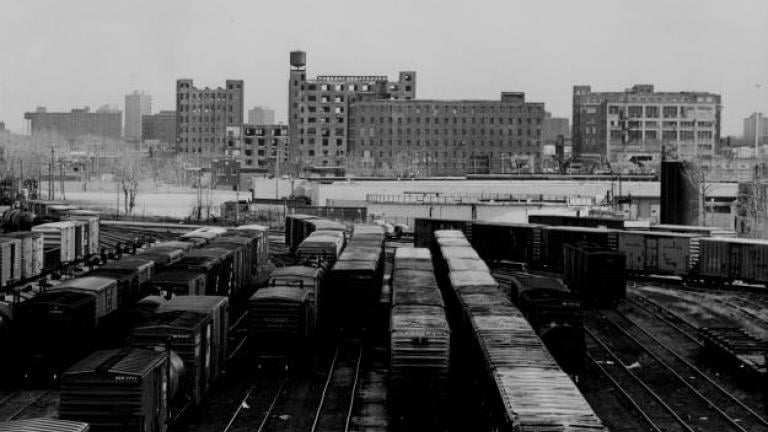
The transportation company said a new site is necessary, citing the current South Loop location as “undersized and fragmented.” The proposed Canal Street move would reconstruct the current railyard, which has been dormant since 2019.
Chicago has historically served as one of the nation’s largest hubs for railroad services, making this Midwest Maintenance Facility crucial for travel from coast to coast.
Residents in surrounding areas such as Bridgeport, Chinatown and Armour Square said they understand that the facility has to move, but that other sites should be considered.
According to a website by Bridgeport Environmentalists, nearly 7,000 residents live near the proposed site, more than 200 times the number of residents who live near the current facility.
Since an initial community meeting last month, Amtrak’s website has been updated with a Frequently Asked Questions page where residents can find further information about plans for the development. Maria LaGiglio, co-founder of the Armour Bridgeport Residents Coalition and lifelong Bridgeport resident, said that is not enough for the community to feel heard.
“Amtrak has been doing largely no community interaction,” LaGiglio said. “I would call it more community notification that this project is happening versus community input.”
Residents are also calling for a full environmental review after the project was granted a categorical exclusion from the Federal Railroad Administration (FRA), meaning the facility is not required to undergo an environmental assessment. Opponents said without the assessment, there is no way to tell what the extent of the environmental impacts would be on the community, leaving residents unable to prepare for them.
Joseph Schofer, professor emeritus of civil and environmental engineering at Northwestern University, said this categorical exclusion was based on old data, citing how much the area has changed since the railyard was once active.
“The use didn’t change, but the functionality did change,” Schofer said. “And so the neighbors got used to one environment, and it’s going to go back to what it was well before.”
The FRA is helping fund the $900 million project, committing up to $659 million in grants for relocation support. The development is also being funded, in part, by Canal Edge LLC, a development and investment firm owned by Chicago White Sox minority owner Justin Ishbia.
Ishbia recently released renderings for a new White Sox stadium proposal. The stadium would be built where the current Amtrak maintenance facility stands, causing the intentions of the new railyard site’s proposal to come into question.
The White Sox have played in Bridgeport for more than 100 years; however, their lease at Rate Field is set to expire in 2029. Ishbia is also set to gain controlling interest of the team as early as 2029 and could become majority owner after the 2034 season.
Ald. Nicole Lee (11th Ward) said she is concerned about what impact this could have on the future of her ward.
“We are staring down the barrel of a double gut punch here,” Lee said. “If the rail maintenance facility is built, this infrastructure is going to be built for not five or 10 years, this is going to be built for another 70 to 100 years. And if the White Sox do leave, and there’s not a plan for what happens on that property, 80+ acres. We’re going to be left with a vacancy, with an empty stadium, empty lots and not a whole lot of motivation for people to develop around a 24-hour maintenance facility.”
Other notable lawmakers such as U.S. Rep Mike Quigley, Illinois Comptroller Susana Mendoza and Cook County Treasurer Maria Pappas have also publicly opposed the development, citing their concerns at a news conference outside Rate Field last week.
Meanwhile, Ald. Jason Ervin (28th Ward), whose ward would hold the new White Sox stadium, said he is open to a new site, adding that he is in support of plans that would benefit his ward and the city.
Other South Loop residents are also in support of moving the facility away from their community. Tyler Jones, director of planning and development for South Loop Neighbors, said these plans have the potential to drive new businesses to Chicago.
“Most of the South Loop residents don’t see the impact of it (the maintenance facility),” Jones said. “I think the impact we do see is what isn’t there. That’s important real estate on the river very close to downtown. And I think South Loop residents as a whole would like to see obviously The 78, but also the other side of the river developed into more housing, more neighbors and more uses that benefit the overall city.”