Politics
Chicago Mayoral Candidate Lisa Nee on Affordable Housing, Fiscal Responsibility and Public Safety
Chicago’s race for mayor is officially underway as candidates begin collecting signatures this week for a spot on February’s ballot.
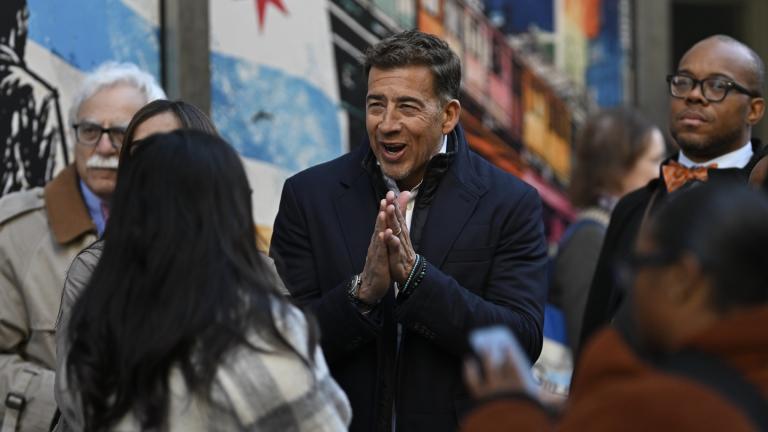
Former cardiologist Lisa Nee is making the case for her spot through a campaign focused on affordability, safety and fiscal responsibility.
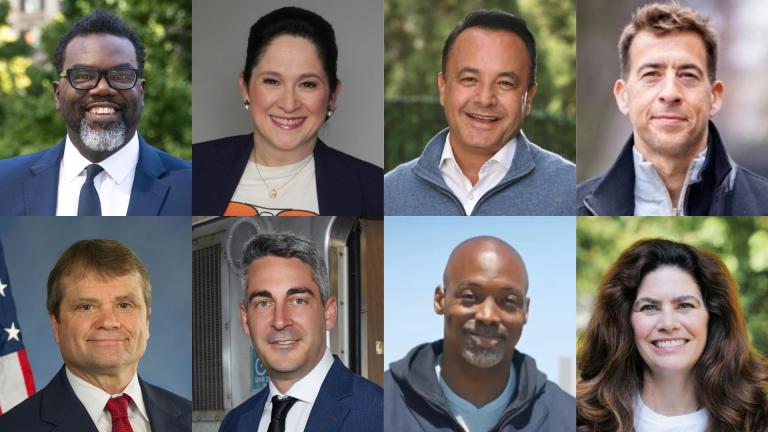
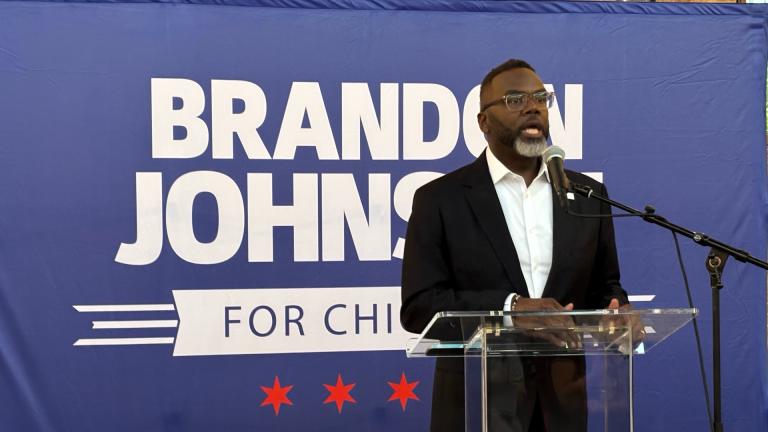
She’s part of an already crowded field of candidates who announced a run for the city’s top job.
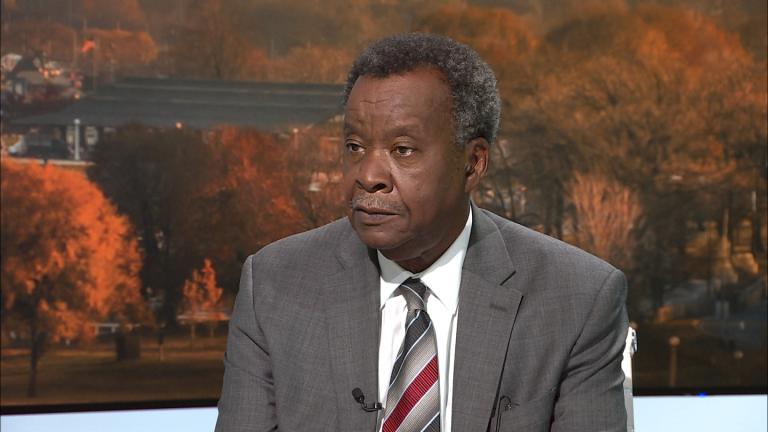
Nee joined “Chicago Tonight” to discuss budget shortfalls, property taxes and building relationships in Springfield.
On her qualifications to lead the city:
Nee is a Humboldt Park native and graduate of Loyola University Chicago. After leaving clinical practice, she earned her MBA from Northwestern University’s Kellogg School of Management and became an adviser for healthcare organizations.
Nee also blew the whistle on patient mistreatment and corruption at the west suburban Edward Hines Jr. VA Hospital more than a decade ago — a commitment she said proves how much she is willing to advocate for Chicago residents.
“I think the qualifications start with being a lifelong Chicagoan. The other qualifications, though, have followed me on the journey from nurse to physician to whistleblower, breast cancer survivor, going into corporate, health equity and now really wanting to lead the city. I think it’s a combination of all of those things that you learn to navigate difficult situations but also learn where your leverage is and who your stakeholders are to get things solved for people.”
On how she hopes to improve Chicago’s finances:
“I think fiscal responsibility starts with first building trust from the people in the city. There has to be more transparency and more accountability. We really shouldn’t reinvent the wheel. We should be looking at the top three things that keep coming up. And it’s about increasing revenue, decreasing costs and then dealing with pension, which is a much bigger problem that involves the governor and state legislators.”
On affordable housing:
“The permit process needs to be expedited. There’s a lot of waste in there and I’ve spoken to people who wanted to build housing and said, ‘It took too long and I decided to go somewhere else.’ We can’t be losing those people to other cities that are growing while we are not growing. I think there’s about 120,000 vacant places that we can start expediting. And how do we get that up to speed and fill those?”
On public safety data:
According to recent polling data from nonpartisan research organization NORC at the University of Chicago, 44% of Chicago residents think that violent crime has increased throughout the city. However, city data shows that crime numbers are down. Last year, Chicago saw its fewest homicides in 60 years.
“You want people to feel safe in their own neighborhood, and that means every neighborhood. And so, what resources are we not utilizing properly and what do we need more of? I think the churn rate of the CPD is a concern. You’re losing people more than you can replace them. That’s an issue. And then the other community-based programs — what metrics are you holding them to? Are they achieving what they are supposed to be by bringing people back to the community and looking in and making people feel safe in their own community.”
On mayoral relationship with CPS:
Earlier this month, Chicago Public Schools announced a $9.96 billion budget proposal. The plan calls for hundreds of staff layoffs and $285 million in TIF funding from the city in hopes to close its $732 million budget shortfall. Board members are expected to vote on the proposal at their July 30 meeting despite budget pushback from the Chicago Teachers Union.
“The role of the mayor should be collaborating. You have CPS that wants to do what’s best for students and teachers, you have CTU that’s representing teachers which are integral to the education, and then you have the mayor that wants to have a great education system here. Your job as the mayor is to make sure that everybody is moving in the direction for those students and teachers to make sure that happens.”
On how she plans to compete with well-established politicians:
“I think people want a different type of leadership. I think people want transparency and I think people believe in someone who was a federal whistleblower, who stood up to the federal government and didn’t back down.”