Politics
Agency Charged With Probing Chicago Police Department Misconduct Created ‘Vacuum of Accountability’ By Clearing Backlog: Watchdog
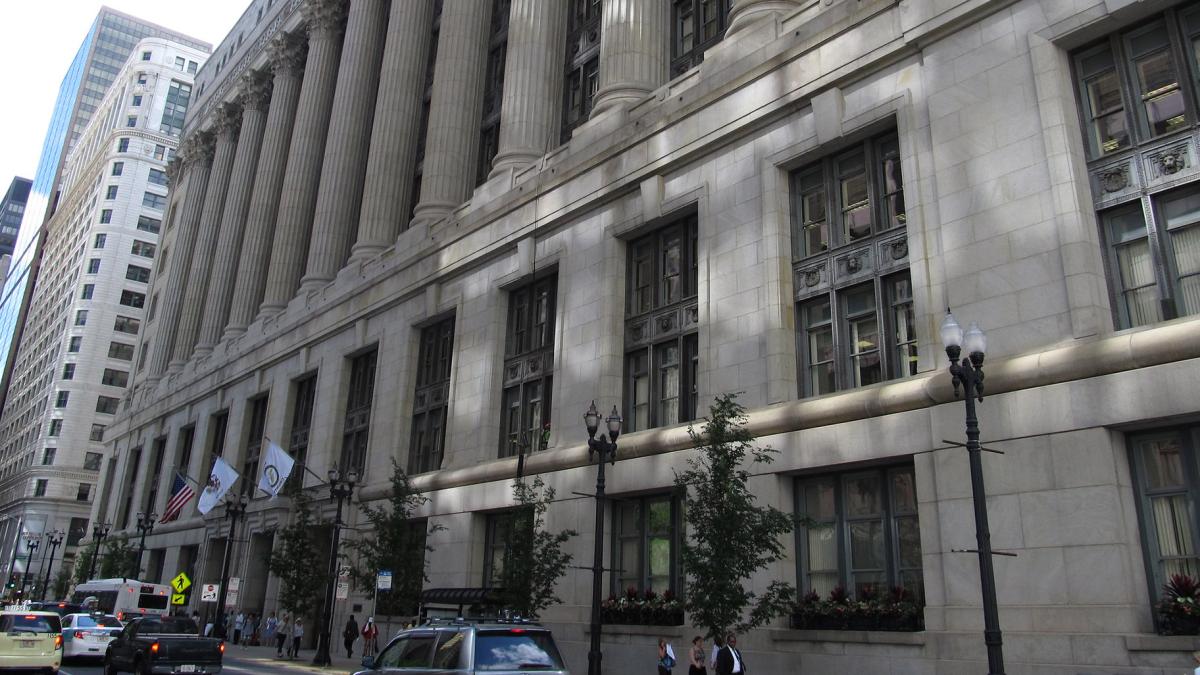 (WTTW News)
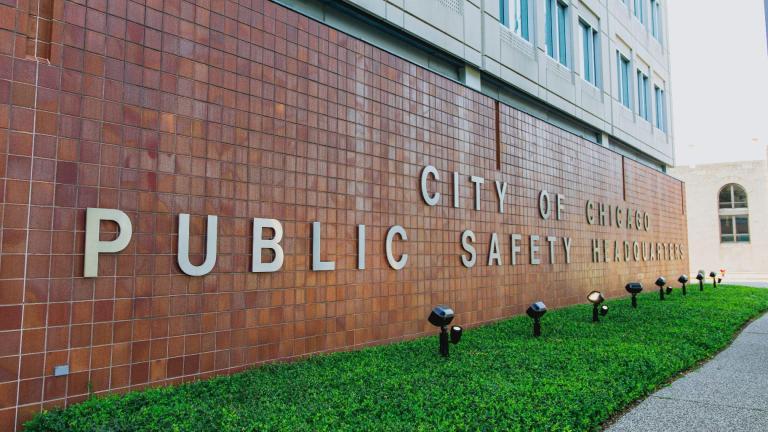
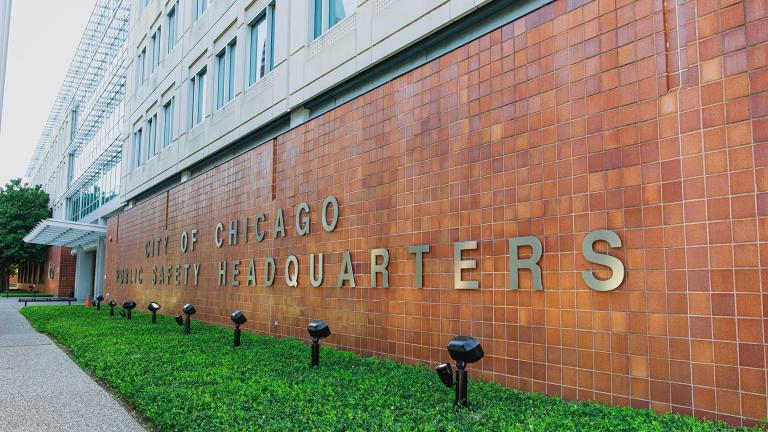
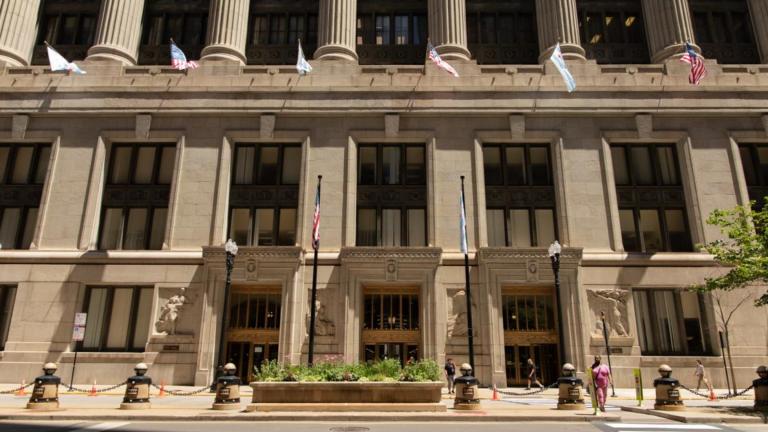
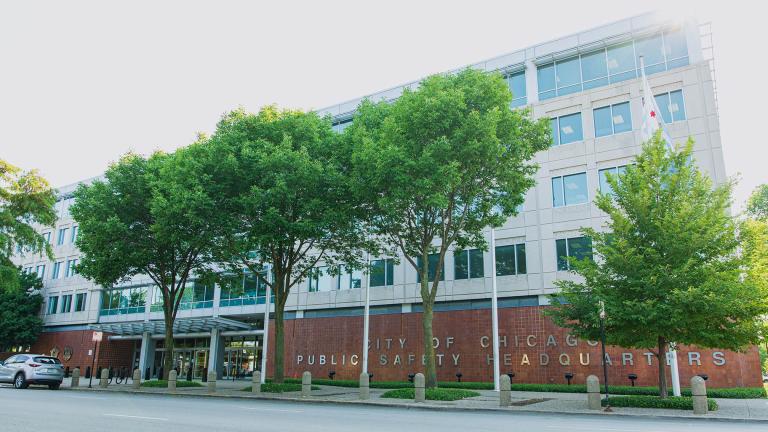
The leaders of the agency tasked with investigating misconduct by Chicago police officers created “a vacuum of accountability” by failing to follow its own rules while trying to clear a massive backlog of complaints, according to an analysis by the city’s watchdog.
In all, the Civilian Office of Police Accountability, better known as COPA, closed 654 complaints naming 1,041 officers that were more than 18 months old between July 2023 and January 2024 as part of what former Chief Administrator Andrea Kersten called its Timeliness Initiative.
Closing hundreds of old complaints — without determining whether officers should be disciplined — did allow COPA to function more efficiently, according to the analysis, launched by former Inspector General Deborah Witzburg and released by her successor, Inspector General David Glockner.
But the initiative also “allowed misconduct to go unaddressed,” according to the analysis.
“By administratively closing hundreds of cases COPA may have alleviated its own burden, but it also created a vacuum of accountability within the police oversight system it is mandated to uphold,” the analysis concluded, warning the agency against implementing similar efforts in the future.
COPA Chief Administrator LaKenya White, who took over the agency in January but was the agency’s director of investigations during the initiative, defended the agency in a letter to the inspector general’s office, saying COPA’s caseload had “ballooned to an unsustainable level” by July 2023.
“The initiative resulted in smaller caseloads, which will lead to more meaningful case outcomes going forward,” White wrote.
A spokesperson for COPA declined to comment on the specific findings in the inspector general’s report. Attempts to reach Kersten were unsuccessful.
COPA had 697 open complaints as of Monday, including one complaint from 2021, three from 2022, 13 from 2023 and 30 from 2024, according to the agency’s website.
The agency’s caseload peaked in 2020, with more than 2,000 open complaints, records show.
The analysis faulted COPA’s handling of the initiative in nearly every aspect, finding officials resisted oversight and failed to fulfill promises to operate transparently.
“Investigative shortcuts, like those taken within the Timeliness Initiative, risk damaging COPA’s institutional credibility as well as public confidence in its ability to appropriately investigate police misconduct,” according to the analysis.
The inspector general found the investigative files detailing the now-closed complaints were often incomplete, making “external oversight” of the initiative impossible, according to the analysis.
“Specifically, as not all evidence was available for review, in many cases [the Office of the Inspector General] could not determine with certainty if there was alleged misconduct supported by objective, verifiable evidence which should have disqualified a case from closure under the Timeliness Initiative,” according to the analysis.
COPA also refused to reopen five of the 11 cases closed as part of the initiative that the city’s watchdog urged the agency to reexamine, according to the analysis. Kersten said publicly that the inspector general’s office would serve as a “safeguard” to ensure the initiative was implemented properly.
In addition, COPA officials failed to fulfill promises to “proactively” reach out to the Chicagoans who filed the complaints before they were closed, according to the analysis.
Chicago taxpayers have paid more than $2 million to resolve 34 lawsuits involving conduct that prompted a complaint to COPA that was closed as part of the initiative, while another four lawsuits are pending, according to the analysis.
Complaints Alleging Civil Rights Violations, Excessive Force Closed
Sixty-four percent of complaints that were closed were filed by individuals who alleged police officers violated their civil rights, while an additional 26% of the complaints claimed officers had used excessive force against them, according to the analysis.
COPA recommended that the officers named in 44% of the closed complaints be retrained on some aspect of department policy after determining that there was “‘a strong likelihood’ that the misconduct would have been sustained under normal investigative circumstances and thus these cases likely contain ‘viable allegations.’”
Even though 90% of the complaints that were closed involved civil rights violations or excessive force, COPA officials most frequently recommended training related to officers’ body-worn cameras and reporting requirements, including the need for officers to properly document when they search a member of the public or use force against an individual, according to the analysis.
COPA officials failed to ensure that those officers got additional training ordered, according to the analysis.
More than a third of the officers were not retrained until 2025, after the inspector general’s office launched a probe of the initiative. Some sessions “did not occur until six years after the instigating event,” according to the analysis.
When Kersten announced the initiative, she told the news media that only low-level complaints would be eligible to be closed as part of the push to clear the agency’s backlog. That claim was “inaccurate and misleading,” according to the analysis
“Numerous cases raising serious allegations were closed,” according to the analysis.
The initiative expanded to include more complaints after Mayor Brandon Johnson and the Chicago City Council approved an agreement that extended the city’s labor agreement with the Fraternal Order of Police, Lodge 7, the city’s largest police union, until late 2027.
That agreement gave COPA officials just 45 days to conclude all investigations that had been pending for more than 18 months, setting off a mad scramble by COPA investigators to review and complete more than 200 cases.
Kersten never disclosed publicly that she expanded the number of cases eligible to be closed as part of the Timeliness Initiative without discipline because of that clause in the new contract with the police union, even as it exposed deep tension between her and Supt. Larry Snelling over how to hold officers responsible for misconduct.
Complaints COPA officials initially refused to close as part of the initiative but were later wiped out included an allegation of domestic violence against an officer and another allegation that an officer subjected a member of the public to a shock from his Taser for more than 15 seconds, in violation of department policy, according to the analysis.
Several allegations that officers restrained members of the public while using force against individuals’ necks were also closed, according to the analysis.
Evidence of Repeated Police Misconduct
The inspector general’s analysis found that 269 Chicago police officers were named in more than one complaint that was closed as part of the initiative, according to the analysis
Eighteen officers were named in five or more complaints that were resolved without discipline, according to the analysis. Those officers racked up more than 600 allegations of misconduct throughout their careers, with one member receiving 135 individual allegations of wrongdoing, according to the analysis.
COPA closed those cases without considering the other misconduct cases naming the officers that the agency was investigating, in violation of its policy, according to the analysis.
Since those complaints were closed without any finding of misconduct by the officers, they cannot be used against the officers in future disciplinary cases, according to the analysis. CPD officers who commit misconduct repeatedly face harsher penalties as part of the department’s progressive discipline system, according to department rules.
“By choosing to close Timeliness Initiative cases on an allegation-by-allegation basis, COPA may have missed addressing patterns of misconduct at the individual or CPD District level,” according to the analysis.
Eighty of the closed complaints originated in the Harrison (11th) Police District, which includes parts of the city’s West Side, according to the analysis.
In October 2024, WTTW News reported that COPA identified a troubling pattern of undocumented and aggressive traffic stops in the 11th District at least a year before four police officers shot and killed Dexter Reed shortly after he shot and wounded an officer on March 21, 2024, but took no action.
While none of the complaints that prompted COPA leaders to alert the district’s commander to what they called a “pattern of problems” involving traffic stops were closed as part of the initiative, the inspector general said it was concerning that so many complaints were closed without holding officers accountable in a troubled district.
“As this district was identified by COPA as having a pattern of concerning behavior, it is particularly important for COPA to reach disciplinary findings to ensure these patterns are accurately reflected in the accused members’ future disciplinary actions,” according to the analysis.
The only other police district to have as many complaints closed as part of the initiative was the Englewood (7th) Police District, according to the analysis.
COPA’s Troubled History
COPA replaced the Independent Police Review Authority, known as IPRA, in September 2017, as part of reforms triggered by outrage over the 2014 police murder of 17-year-old Laquan McDonald.
When COPA launched, it inherited nearly 1,000 cases from IPRA.
Just as COPA resolved the cases it inherited from IPRA, the agency was swamped with nearly 400 complaints of police misconduct during the unrest that swept the city in the wake of the police murder of George Floyd.
In all, Chicago taxpayers have spent approximately $13 million to defend and resolve lawsuits alleging CPD officers committed a wide range of misconduct during the push for racial justice and police reform, according to a WTTW News analysis.
That stretched COPA to the breaking point at a time when the agency was struggling to cope with the shift to remote work because of the COVID-19 pandemic, prompting the crafting of the Timeliness Initiative, Kersten said in July 2023.
Kersten resigned Feb. 13, 2025, after the Community Commission for Public Safety and Accountability planned to take a vote of no confidence in her leadership.
Snelling retired July 15.
WTTW News coverage of policing and police reform is supported by The Joyce Foundation.
Contact Heather Cherone: @HeatherCherone | (773) 569-1863 | [email protected]