Science & Nature
Remember the Grubs That ‘Ate’ a North Side Park? They Came Back for Seconds and Then Some
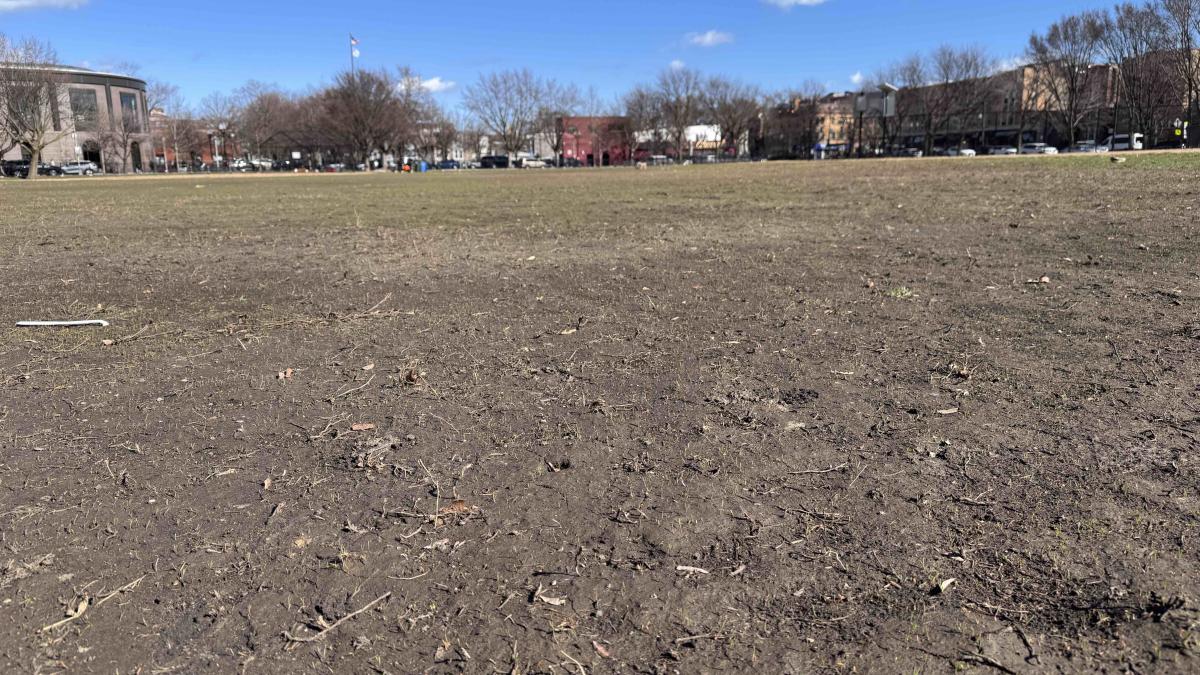 An infestation of grubs has laid waste to Welles Park for the second time in five years, March 13, 2026. (Patty Wetli / WTTW News)
For the second time in five years, a pair of North Side parks have been devastated by an infestation of grubs so severe, fields have been laid to waste.
Welles Park and Winnemac Park — both in the Lincoln Square community area — were hit hard in 2021 by a surge in beetle larva, which fed so voraciously on swaths of grass that acres were reduced to bare dirt.
The Chicago Park District confirmed to WTTW News on Friday that grub infestations have been identified at the same parks again, as well as at Humboldt Park and Williams Park.
The affected areas will be chemically treated later in the spring, “when the grub life cycle is optimal for success,” according to Michele Lemons, Park District spokesperson.
Fields will then be reseeded and closed to the public until adequate root growth has been established, Lemons said.
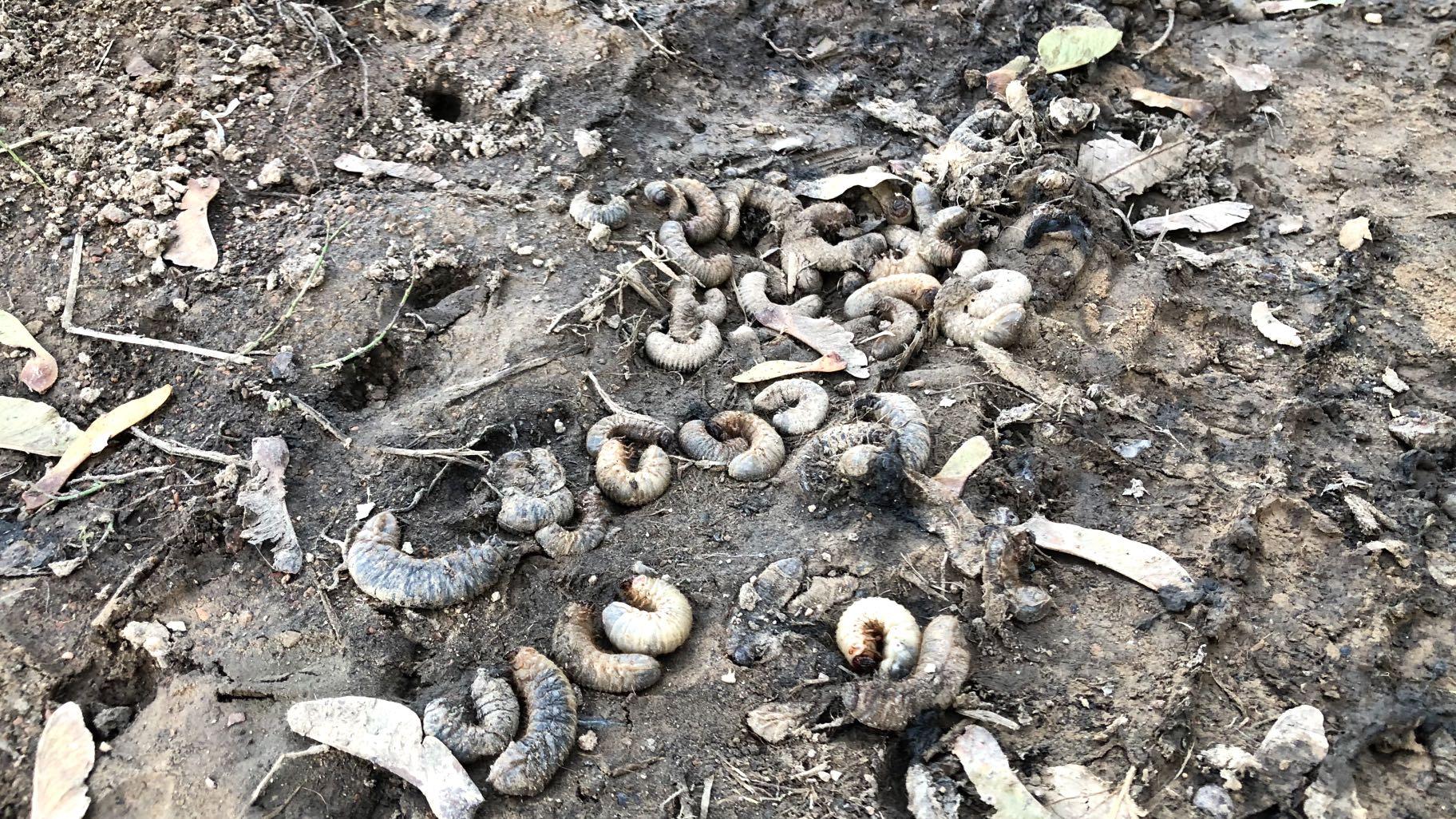 A pile of grubs — among the thousands of larvae that surfaced — in Welles Park in fall 2021. (Patty Wetli / WTTW News)
The district is working on securing alternative locations for programs including youth baseball, CPS high school sports and special events.
The sites of the infestations are:
— Welles Park, ball fields on the east side of the park.
— Winnemac Park, ball fields on the south end of the park.
— Humboldt Park, one ball field south of Division Street and an area adjacent to the boathouse.
— Williams Park, both ball fields and an area on the east end of the park.
Unlike 2021, when thousands (possibly tens of thousands) of grubs surfaced at Welles Park and raised a stink as they died, there’s no visible sign of the larva, other than the absence of grass.
The larva of the June beetle were to blame five years ago, with the scope of the infestation shocking experts including Christopher Deitrich, Illinois’ official state entomologist.
At the time, Deitrich pointed to the perfect storm of weather conditions as a possible explanation: a mild winter, pleasant spring, wet start to summer, followed by drought.
Given the repeat nature of the problem, Chicago Park District is investigating long-term solutions, Lemons said.
Contact Patty Wetli: [email protected]