Crime & Law
Wrongful Convictions Cost Chicago Taxpayers $204.6M in 2025: Analysis
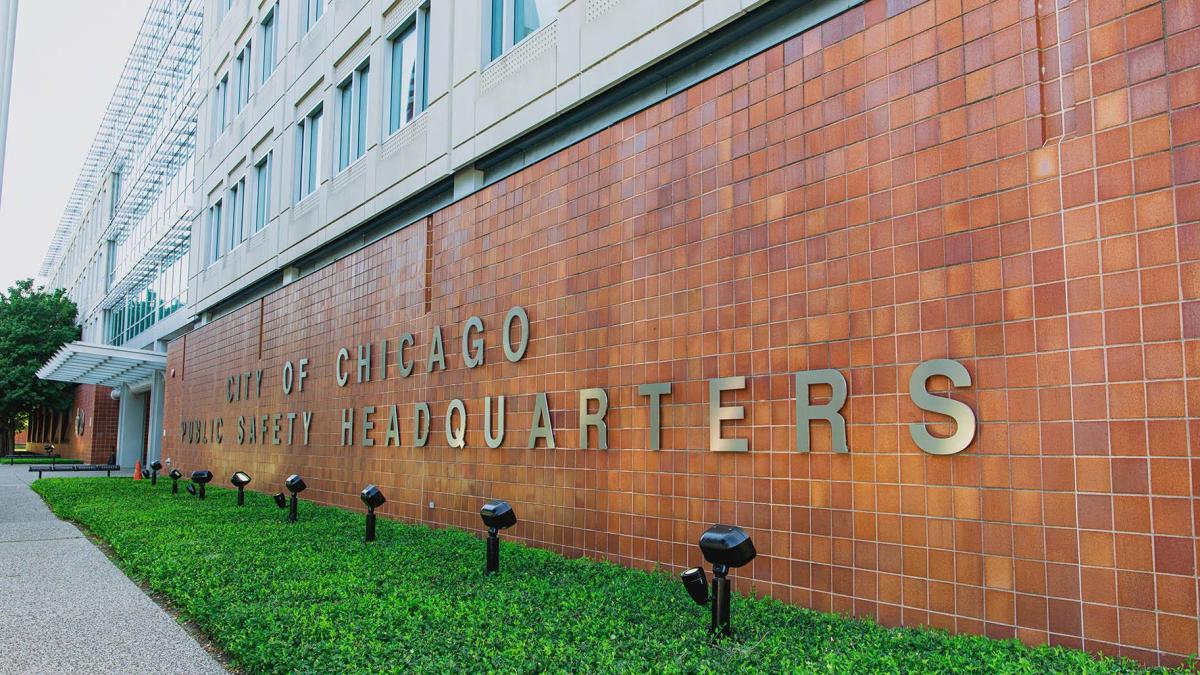 (Michael Izquierdo / WTTW News)
Since the start of the year, Chicago taxpayers spent $204.6 million to resolve lawsuits brought by 22 people wrongfully convicted based on evidence gathered by the Chicago Police Department, according to an analysis of city data by WTTW News.
That is more than double what the city paid between 2019 and 2024 to resolve 48 lawsuits filed by individuals who had their conviction reversed, according to the analysis.
In the latest case to be settled, the Chicago City Council agreed Wednesday to pay $15.4 million to Robert Smith Jr., who spent 33 years in prison after being wrongfully convicted of the 1987 double murder of his wife’s mother and grandmother.
For nearly four decades, Smith has said he was tortured by Chicago police detectives trained by Jon Burge, a disgraced former Chicago police commander, before confessing to the murders. Smith has been declared innocent by a judge.
Chicago taxpayers paid an additional $2.37 million to defend former CPD Supt. Phillip Cline and the other Chicago police officers named in Smith’s lawsuit, which was filed in 2021, according to records obtained by WTTW News through a Freedom of Information Act request.
Between 2019 and 2023, taxpayers paid $49.5 million to resolve 41 reversed conviction cases, according to the analysis. In 2024, taxpayers paid $45.25 million to resolve seven reversed conviction cases, according to the analysis.
The yet-to-be final tally for this year does not include the $90 million the Chicago City Council agreed to pay to 180 people who spent a combined nearly 200 years in prison after being wrongfully convicted based on what they allege was fabricated evidence gathered by former Chicago Police Sgt. Ronald Watts, who was convicted in 2013 of taking bribes, and other officers.
Nor does it include the $120 million a federal jury awarded in March to two men who were wrongfully convicted of a 2003 murder and spent a combined 32 years in prison, setting a new city record for a wrongful conviction case. Lawyers for the city have appealed that verdict.
Since 2019, settlements and verdicts prompted by wrongful convictions cost Chicago taxpayers more to resolve than lawsuits caused by other kinds of police misconduct, including excessive force and botched pursuits.
Corporation Counsel Mary Richardson-Lowry told WTTW News in March that she has taken a more aggressive approach to resolving lawsuits like these, calling it the fiscally responsible approach.
“We will continue to look for opportunities to settle,” said Richardson-Lowry, the city’s top lawyer. “We try cases where we must. What it means for the taxpayer is they benefit in the end because in the long term we’re not spending as much of the city’s resources.”
In all, taxpayers have spent more than $300 million so far in 2025 to resolve lawsuits alleging Chicago police officers committed a wide range of misconduct, according to an analysis of city data by WTTW News.
That is more than triple the $82.5 million set aside in the city’s 2025 budget to cover the cost of resolving police misconduct lawsuits.
Mayor Brandon Johnson’s proposed 2026 budget does not propose to increase that amount but would borrow $283.3 million to cover the soaring cost of lawsuits alleging Chicago police officers committed a wide range of misconduct.
It will likely cost Chicago taxpayers approximately $52 million in interest to borrow that money and pay it off during the next five years, according to estimates provided to the Chicago City Council by Chief Financial Officer Jill Jaworski.
Chicago taxpayers paid $295 million between 2019 and 2024 to resolve lawsuits naming officers whose alleged misconduct led more than once to payouts, according to an analysis of city data by WTTW News.
The 2026 budget will include provisions to ensure that CPD continues to move in a “stronger and better direction,” Johnson said.
Police brass will be required to submit monthly reports to the City Council on efforts to create a system designed to alert supervisors about which officers have been the subject of repeated police misconduct allegations.
CPD must implement that system under the terms of the consent decree.
The University of Chicago Crime Lab began work on the so-called Officer Support System, also known as OSS, in 2016, and began testing it in a South Side police district in September 2020, only to face repeated and lengthy delays, caused in part by decisions by CPD leadership to transfer the staff members assigned to run the system to patrol, according to a letter obtained by WTTW News through the Freedom of Information Act.
That system could have been rolled out citywide in May 2021, but it remains in use in only two of Chicago’s 22 police districts. CPD officials are developing a new system, officials have told the judge overseeing the reform push.
WTTW News coverage of policing and police reform is supported by The Joyce Foundation.
Contact Heather Cherone: @HeatherCherone | (773) 569-1863 | [email protected]