Politics
Johnson’s 2026 Budget Sets Aside Just $82.5M to Resolve Police Misconduct Lawsuits, Even Though Chicago Has Already Spent $90M
 (WTTW News)
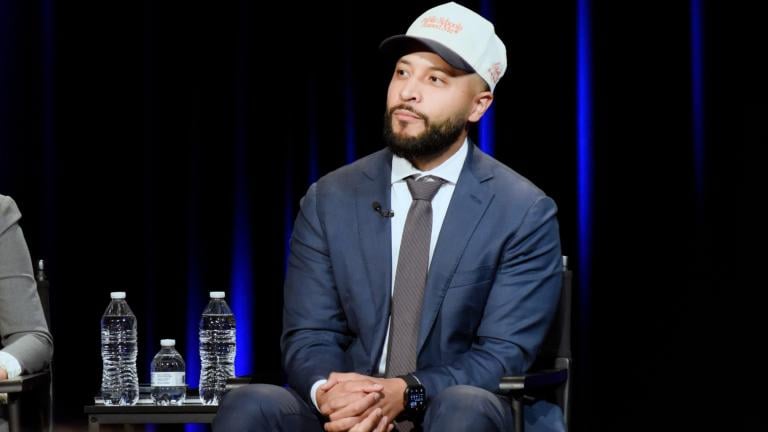
Mayor Brandon Johnson’s proposed budget for 2026 sets aside just $82.5 million to cover the cost of resolving police misconduct lawsuits, even though the city has already agreed to spend $90 million next year to resolve 176 lawsuits tied to former Chicago Police Sgt. Ronald Watts and his team.
Chicago taxpayers have spent at least $267 million to resolve lawsuits alleging Chicago police officers committed a wide range of misconduct — including wrongful convictions and improper pursuits — so far this year, according to an analysis of city data by WTTW News.
That tally does not include the $90 million the City Council agreed to pay to 180 people who spent a combined nearly 200 years in prison after being wrongfully convicted based on what they allege was fabricated evidence gathered by Watts, who was convicted in 2013 of taking bribes, and other officers.
That settlement will be paid in two installments in 2026, officials said.
Johnson’s proposed spending plan would be the sixth annual spending plan to set aside just $82.5 million to cover the cost of resolving police misconduct lawsuits. The city’s 2020 spending plan increased the budget for police misconduct from $35 million to $82.5 million, records show.
The last time the city spent less than $82.5 million to resolve police misconduct lawsuits was in 2020, according to data contained in the city’s annual spending plans.
Since 2019, while the Chicago Police Department has been subject to a federal court order to change the way it trains, supervises and disciplines officers, taxpayers have spent $703.6 million to resolve lawsuits naming members of the police department, according to city budget documents.
Chief Financial Officer Jill Jaworski told members of the City Council that the city would have no choice but to borrow to cover the massive, and escalating, cost to resolve police misconduct lawsuits. The city plans to pay off that debt during the next five years, Jaworski said.
However, city officials have not yet determined how much the city needs to borrow, on top of its already massive amount of debt, to cover those costs. Officials are still working to determine how much the city needs to borrow to ensure the city can pay those bills through 2026, Jaworski said.
It is also unclear how much interest the city will have to pay to borrow enough money to cover those bills, adding tens of millions of dollars to the ultimate cost of police misconduct to taxpayers.
The city will spend $868 million to pay the principal and interest on the city’s outstanding debt in 2026, records show. The cost of the city’s debt is expected to grow to more than $1.2 billion in 2029, before beginning to decline, according to city projections.
In addition to the cost of resolving the lawsuits alleging police officers committed misconduct and to pay city lawyers to handle those cases, city officials have also used tax dollars to pay a premium to hire private attorneys to defend officers in some of the most complicated cases.
Between 2016 and September 2024, the city had paid private lawyers $25 million to defend the conduct of Watts and the officers who worked with him, Corporation Counsel Mary Richardson Lowry said.
Since 2019, the city has spent $158 million on outside counsel to defend cases accusing officers of misconduct.
In 2024, the cost of hiring outside lawyers to defend members of the police department reached a six-year year high of $34.7 million, records show. By comparison, the entire 2024 budget for the Department of Law was $46.4 million, records show.
The cost of resolving police misconduct lawsuits has become a frequent source of political heartburn for members of the Chicago City Council, who are divided along ideological lines about the cause of the escalating costs. The City Council must ratify all settlements of more than $100,000.
More conservative alderpeople say the city’s lawyers and their colleagues are too eager to settle cases before trial. According to the alderpeople, that encourages those guilty of criminal wrongdoing to sue the city in the hopes of an easy payday.
However, some progressive members of the City Council see the expense as perhaps the most visible cost of the fact that city officials have yet to put an end to the decades of scandals, misconduct and brutality that have engulfed the Chicago Police Department.
WTTW News coverage of policing and police reform is supported by The Joyce Foundation.
Contact Heather Cherone: @HeatherCherone | (773) 569-1863 | [email protected]