Health
Pritzker Signs Vaccine Access Bill to Combat Trump Admin’s ‘Dangerous Misinformation’ Ahead of CDC Meeting
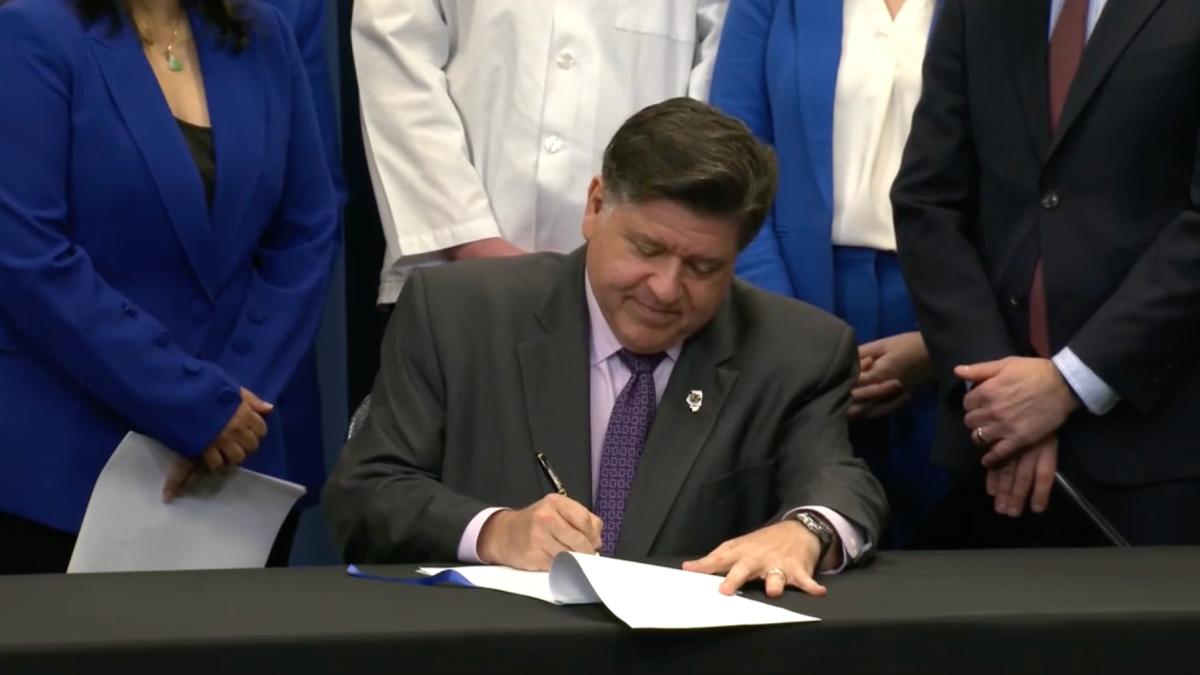 Gov. JB Pritzker signed a bill on Dec. 2, 2025, to ensure vaccine access in Illinois. (State of Illinois / BlueRoomStream)
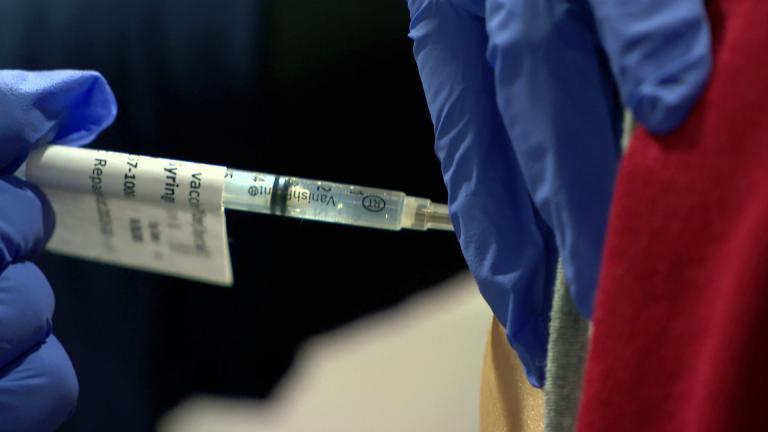
Gov. JB Pritzker signed a bill into law Tuesday that he says will ensure vaccine access in Illinois and help safeguard against anti-vaccine federal guidelines ahead of the Centers for Disease Control and Prevention’s controversial vaccine advisory committee meeting later this week.
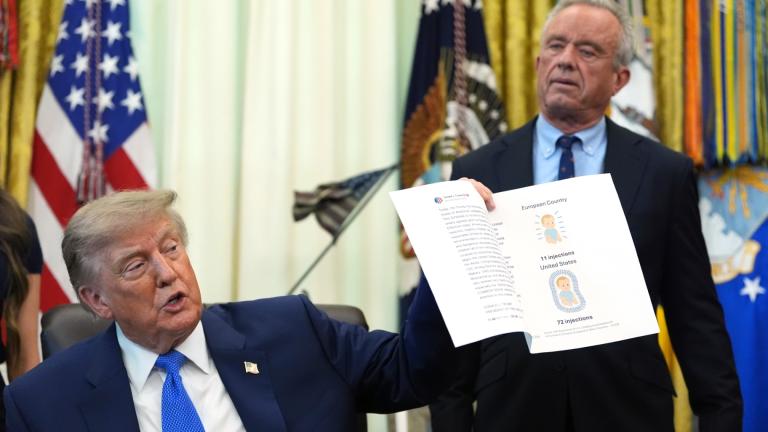
The committee is expected vote on potential changes to the childhood vaccination schedule and how hepatitis B shots are administered. U.S. Health Secretary Robert F. Kennedy Jr., a leading vaccine skeptic, fired all 17 members of the CDC vaccine advisory committee earlier this year and replaced the panel with members critical of vaccines.
“We are doing this because the Trump administration has upended the Advisory Committee on Immunization Practices, the federal body that has long provided states with rigorous evidence-driven vaccine schedules,” Pritzker said during a bill signing event Tuesday.
The new law, HB 767, allows the Illinois Department of Public Health to create and publish vaccine guidelines for Illinois residents based on the state’s own immunization advisory committee instead of relying on the CDC’s Advisory Committee on Immunization Practices.
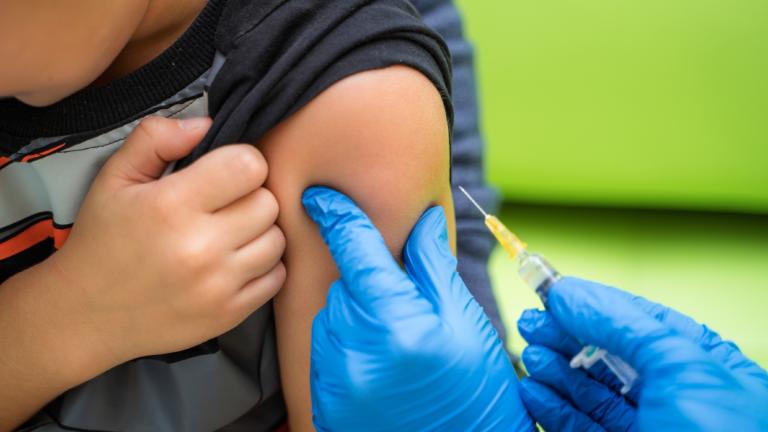
Additionally, the law requires state-regulated health insurance issuers to cover vaccines based on IDPH recommendations, even if they extend beyond federal recommendations. It also lowers the age at which children can receive the COVID-19 and flu vaccine at pharmacies without a prescription, from age 7 to 3.
The vaccine language in the law is effective immediately, while changes to insurance are effective Jan. 1, 2026, according to the governor’s office.
“While RFK Jr. and his QAnon-inspired colleagues, spreading conspiracy theories and dangerous misinformation about vaccines, are running around Washington, Illinois is stepping up to protect the health of our people,” Pritzker said.
Recommendations issued by the federal vaccine advisory committee help guide how vaccines are administered and which vaccines are covered under public and private insurance programs. The CDC committee is scheduled to meet Thursday and Friday, though it’s unclear what specific measures the committee plans to vote on.
The new Illinois law codifies and builds on an executive order Pritzker issued in September in response to the federal government’s tightened guidelines that limited who was eligible for the latest COVID-19 vaccine. IDPH later issued its own guidance that expanded vaccine access.
The law gives the state’s immunization advisory committee a way to maintain evidence-based, life-saving practices, according to advisory committee chair Dr. Marielle Fricchione, also a pediatric infectious diseases doctor at Rush Children’s Hospital.
“The committee and I will work to ensure that this trust is not misplaced, when as soon as later this week, the ACIP meets again,” Fricchione said. “We’ll be following the outcomes of that meeting, and we’ll be responding to any changes that are made that are against scientific consensus.”
A coalition of 15 Democratic governors, including Pritzker, last week submitted public comment ahead of the CDC’s Advisory Committee on Immunization Practices December meeting that suggested the committee was hurting public trust in vaccines and the ability of people to get affordable shots.
“As governors responsible for implementing public health policy and managing state healthcare systems, we have witnessed firsthand how vaccination protects our communities and prevents serious illness, hospitalization, and death from vaccine-preventable diseases,” the coalition wrote.
The written public comment also specifically pointed to concerns about the CDC committee changing the recommendation on providing the hepatitis B vaccine to newborns.
In adults, the virus is spread through sex or through sharing needles while injecting drugs. But the virus can also be passed to a baby from an infected mother, and as many as 90% of infected infants go on to have chronic infections that can lead to a lifetime of health issues.
The infant shots are 85% to 95% effective in preventing chronic hepatitis B infections, studies have shown.
In September, Kennedy’s ACIP members discussed whether to recommend delaying that initial vaccination — something doctors and parents already can choose to do. The panel pulled back from taking a vote amid criticism from independent pediatric and infectious disease specialists who say the vaccine is safe and has helped infant infections drop sharply.
The Associated Press contributed to this report.
Contact Eunice Alpasan: [email protected]