Health
City Health Department Expands Vaccination Efforts to Address Mpox Outbreak After 134 Cases Reported in Chicago Since June
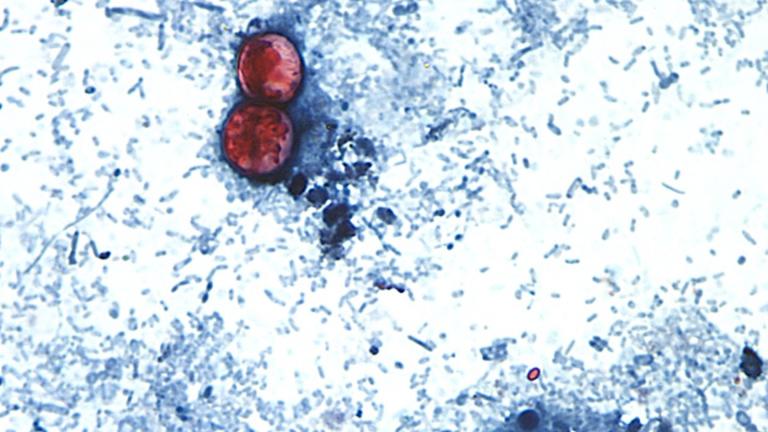
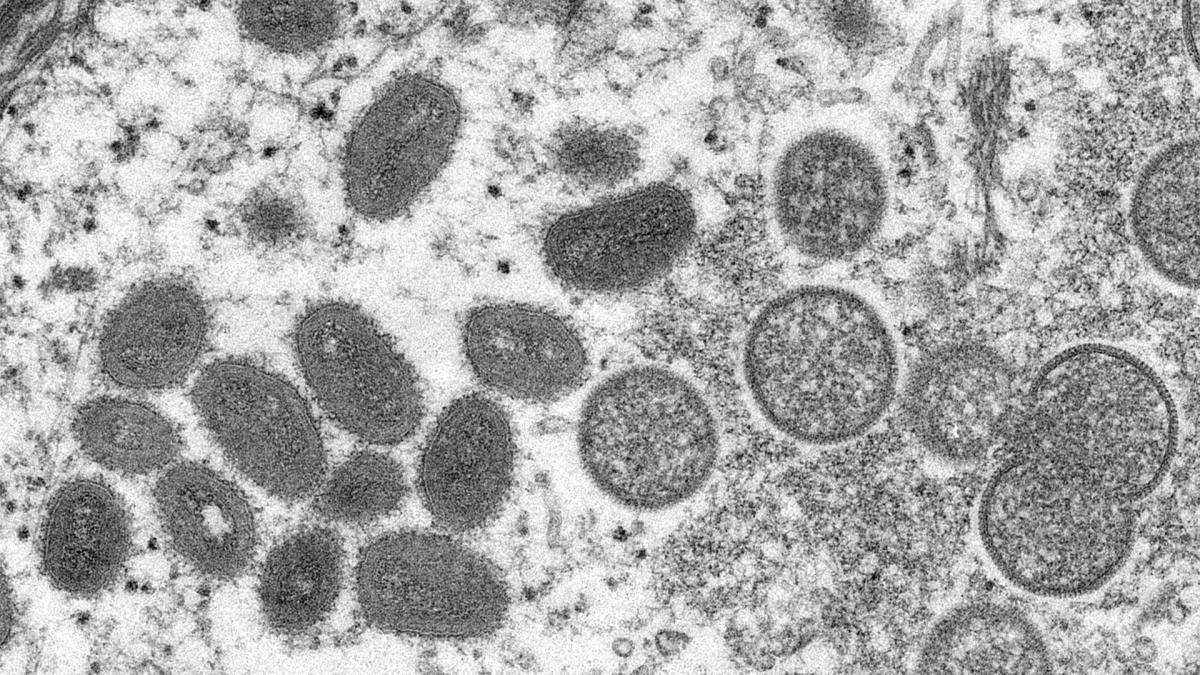 This electron microscope image shows mature, oval-shaped mpox virions, left, and spherical immature virions, right, from a human skin sample associated with a 2003 prairie dog outbreak. (Cynthia S. Goldsmith, Russell Regnery / CDC)
The city is expanding vaccination and community engagement efforts to address a mpox outbreak in Chicago, which has seen more than 130 cases since June, according to the Chicago Department of Public Health this week.
There were 14 new cases in the city between Oct. 4 and 11, according to a CDPH spokesperson Friday. Chicago has seen a total of 134 mpox cases from June 1 through Oct. 11.
Mpox, formerly known as monkeypox, is a viral infection with symptoms that can include painful and uncomfortable rash or skin lesions — like hard bumps or scabs — accompanied with flu-like illness.
Anyone, regardless of sexual orientation or gender identity, can get mpox through close contact with someone who has mpox symptoms. According to CDPH, data suggests the virus has primarily spread among social networks of gay and bisexual men through intimate contact.
Nearly all the mpox cases in Chicago this year have been among males, and most who have provided their sexual orientation identify as gay or bisexual, according to CDPH.
“This is something we should care about because we care about the people in our community, but not necessarily everyone in Chicago is at risk of developing this infection or even is really in need of getting a vaccine,” said Dr. Andrew Crone, an infectious disease specialist at Howard Brown Health, in regard to mpox.
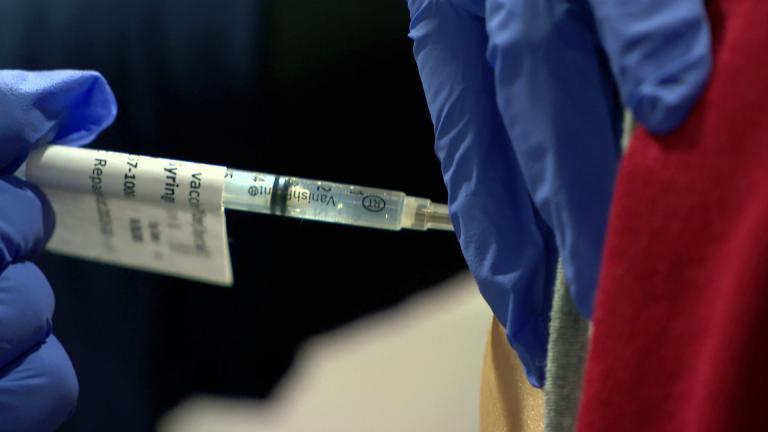
The mpox vaccine will be generally recommended to men who have sex with men, and who also have multiple sex partners, according to Crone. The vaccine is given in two doses, with the doses spread a month apart.
“I really like to focus on the ways that we can harm reduce and prevent infection that don’t necessarily involve just telling people to stop having sex,” Crone said. “That’s why I’m gonna strongly recommend vaccination for anyone that might think they may fall into the category of possible exposure.”
CDPH staff and volunteers have visited bars, bookstores, gyms and community centers to distribute materials with mpox and vaccine information, the health department said. Upcoming CDPH mpox vaccination events include:
- Wednesday, Oct. 29, 5:30-7:30 p.m.): Steamworks, 3246 N. Halsted St.
- Wednesday, Nov. 5 (6-9 p.m.) and Sunday Nov. 9 (1-4 p.m.) at Touche Bar, 6412 N. Clark St.
- Thursday, Nov. 13 (11 a.m-3 p.m.) at Kennedy King College, 740 W. 63rd St.
CDPH’s sexual health clinics also offer the mpox vaccine on these dates and locations:
- Mondays (9 a.m.-12 p.m.) at Roseland, 200 E. 115th St.
- Tuesdays (1-4 p.m.) at Austin, 4909 W. Division St.
- Fridays (1-3:30 p.m.) at Lakeview, 2849 N. Clark St.
Vaccines are free and walk-ins are welcome.
Most people with mpox recover fully within 2-4 weeks without any medical treatment. Some patients might benefit from options like Vaseline or pain medicine to help ease pain or itching, according to Crone.
Last year, Chicago had a total of 98 mpox cases, according to a CDPH spokesperson.
Mpox can result in severe disease requiring hospitalization particularly in those with other health conditions or who are immunocompromised. Four people in Chicago have died from the disease since an initial global outbreak of mpox in 2022, according to CDPH data.
“Unfortunately, a lot of the cases we have seen now in 2025 are people who were vaccinated in 2022, but their disease burden is more mild,” Crone said.
Crone noted that because people with milder symptoms might not receive an official diagnosis, and might even spread it without knowing, that there is likely an undercount in the number of cases being reported.
Contact Eunice Alpasan: [email protected]