Science & Nature
No, Chicago Zoos Don’t Want to Feed Your Pets to the Lions
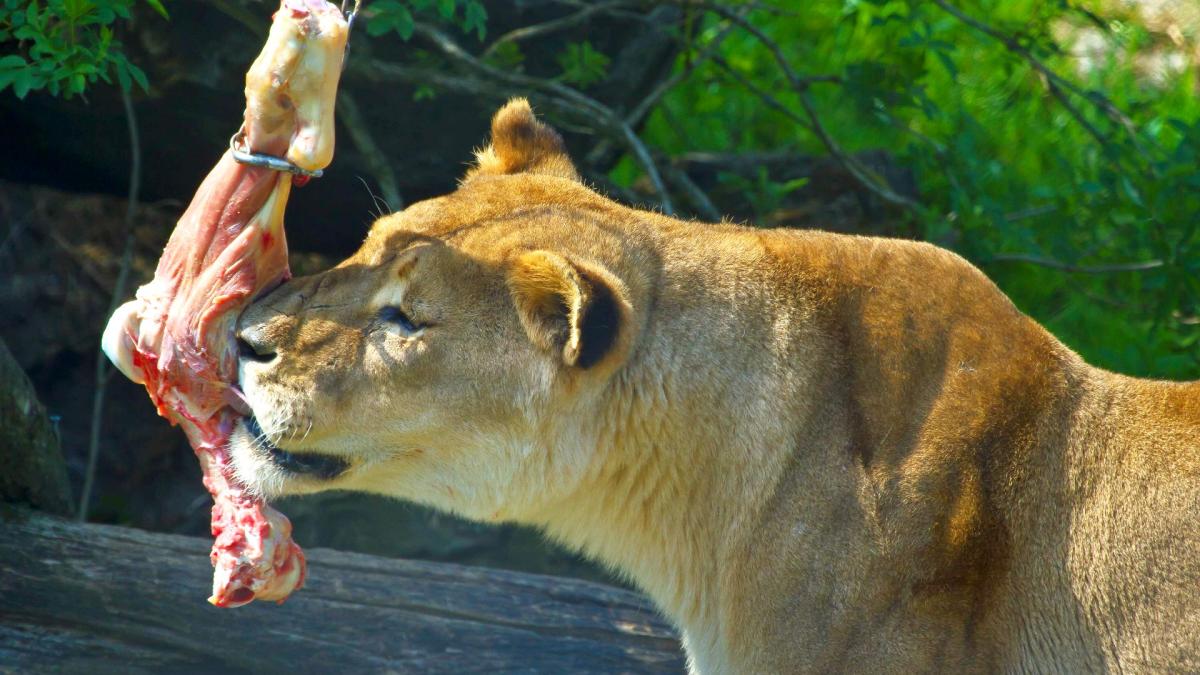 (Photofex-AT / iStock)
A zoo in Denmark made headlines this week when U.S. news outlets stumbled onto a social media post asking for donations of “unwanted pets” to feed to its predator animals.
Aalborg Zoo specified rabbits, chickens, guinea pigs and small horses — and only those which had reached the end of their natural lives — but that didn’t stop a global outcry over dogs and cats being fed to lions. The zoo ultimately shut down comments on its original Facebook post, citing “hateful and malicious rhetoric.”
To put this issue to bed, WTTW News asked Lincoln Park Zoo and Brookfield Zoo Chicago to share their policies and practices when it comes to feeding predators.
In short, neither zoo wants your pets.
Lincoln Park Zoo
The Chicago institution employs a full-time nutritionist who creates individualized diets for more than 750 animals.
Depending on the animal, predators might be offered whole prey including mice, clams, fish, rats, quail or bones, hides or carcasses.
“Not only is the nutritional value of these items important, but also the way the items are presented,” Siga Lapinskas, Nutrition Center manager, said in a statement. “Whole prey or carcass items offer opportunities for animals like African painted dogs to utilize their pack mentality, the prides of lions to ‘hunt’ their meals by chasing meaty bones on a zip line, or the snowy owls to fully ingest an animal and regurgitate the classic owl pellet.”
All food is sourced from reliable vendors and no donations are accepted in order to maintain quality control, Lapinskas added.
On a side note, aside from service dogs, pets aren’t even allowed to visit the zoo’s grounds, in part as a biosecurity measure to reduce the risk of disease transfer, Dr. Kathryn Gamble, director of veterinary services, said.
Additionally, pets could be perceived as a predator themselves by certain zoo animals and affect their behavior, Gamble said.
Brookfield Zoo Chicago
Like its urban counterpart, Brookfield Zoo also has a full-time nutritionist on site and it also carefully sources food — meat, fruit, vegetables, feed, supplements, etc. — from trusted vendors, according to Dr. Sathya Chinnadurai, senior vice president of animal health, welfare and science.
One exception: Brookfield does obtain donated “browse” — the term for leaves, stems and twigs of trees and bushes — for animals including giraffes, rhinos and gorillas to name a few.
The zoo collects some browse from its own grounds, like the Christmas trees used in holiday displays that wind up as big cat toys.
But that’s not nearly enough roughage to meet the zoo’s needs. Interestingly, most of the browse comes from a partnership with ComEd, which has been donating clippings from tree trimmings to Brookfield Zoo since 2011.
Contact Patty Wetli: [email protected]