Crime & Law
Attorneys in Madigan Racketeering Trial Iron Out Final Issues Before Jury Questioning Begins
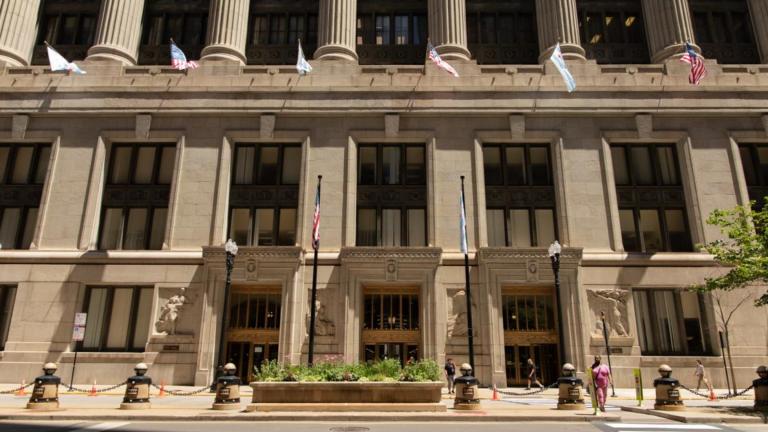
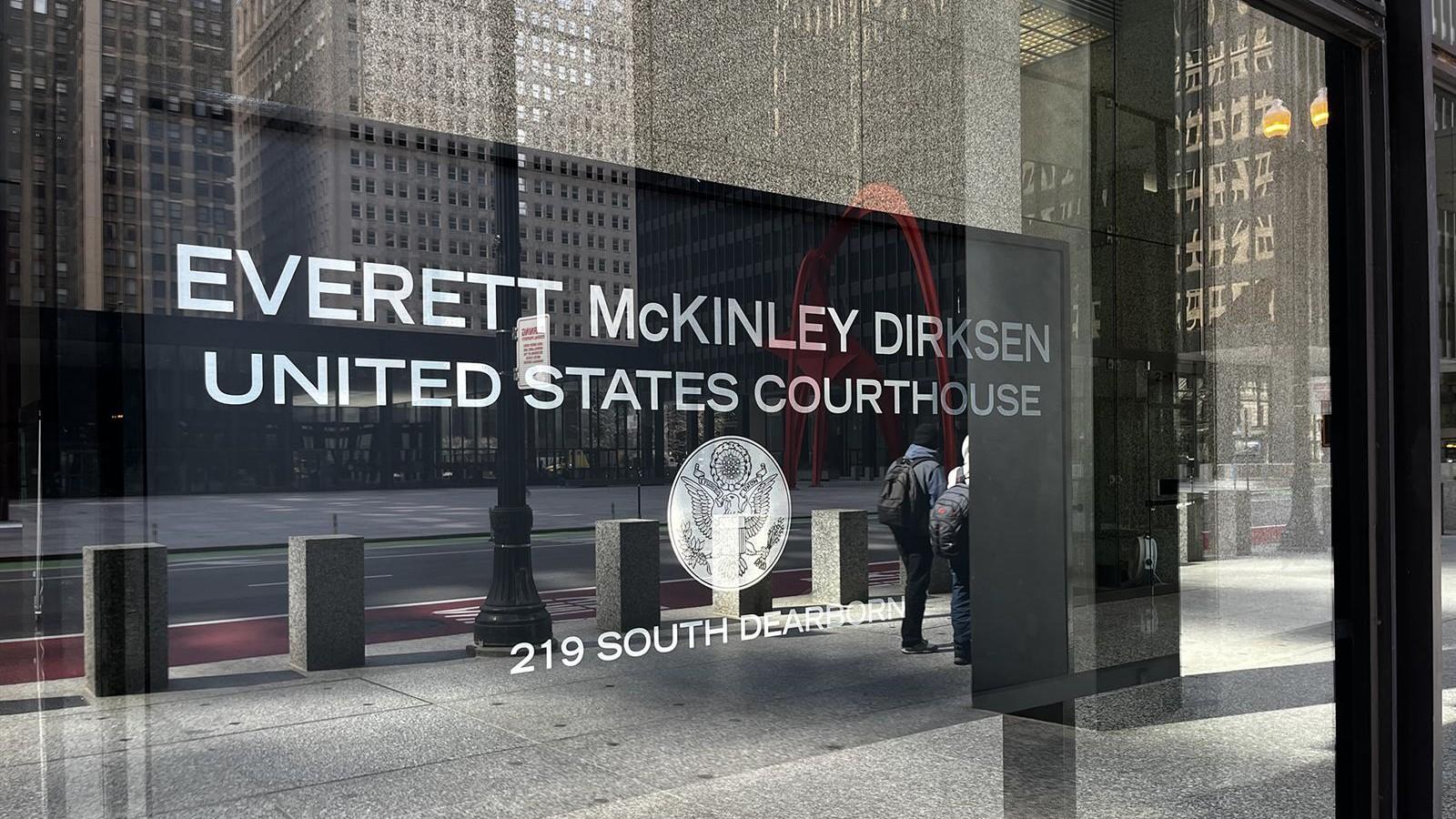 The Dirksen Courthouse is pictured in Chicago. (Capitol News Illinois)
Court exhibits including wiretapped recordings of Michael Madigan and Michael McClain will be released to the public during their racketeering trial, a judge ruled Tuesday.
Attorneys for the former Illinois House speaker and his longtime confidant met with prosecutors Tuesday afternoon to iron out any final wrinkles before the trial gets into swing. During that hearing, Judge John Blakey ruled that government evidence will be released to the media once that evidence is entered and published to the jury in court.
Defense attorneys had objected, arguing that releasing that evidence during trial has the potential to prejudice their clients, but Blakey said there is a strong presumption in favor of public access.
While neither Madigan nor McClain was present in court, potential jurors flocked to the Dirksen Federal Building to begin filling out questionnaires, but the formal selection process won’t begin in earnest until Wednesday. Opening statements are expected early next week.
Attendance Tuesday was promising, Blakey said, though there were a small number of no-shows among the pool of potential jurors.
Blakey, along with federal prosecutors and the defense teams, also went over courtroom logistics and rules, as well as trial instructions Tuesday on what the judge called “Day 0” of the landmark trial.
Also at issue Tuesday was the expected testimony of a prosecution witness, Alaina Hampton, who had publicly accused Madigan of mishandling complaints that a political staffer within the speaker’s close orbit had made unwanted advances and sent her inappropriate text messages.
Hampton previously alleged the speaker’s longtime aide Kevin Quinn repeatedly made unwanted advances via text message, despite her continued requests that he stop and that their relationship be strictly professional. Hours before Hampton’s story went public, Madigan fired Quinn, who was the brother of Madigan ally and Chicago Ald. Marty Quinn (13th Ward).
Prosecutors plan to present evidence showing McClain later arranged for multiple people to make consulting payments to Kevin Quinn because he was unable to find a job and that Madigan was aware of those payments.
But defense attorneys argued that the nature of Hampton’s testimony could be prejudicial because Madigan was not at all implicated in the sexual harassment.
“None of this matters to what the issues are in the case,” Madigan’s defense attorney Dan Collins said Tuesday, adding that any mention of the sexual harassment would create a “tremendous amount of unfair prejudice.”
The sides ultimately agreed to craft a stipulation that would keep jurors from hearing about the misconduct allegations.
Madigan, who served as Illinois House speaker for 36 years, is alleged to have orchestrated multiple corruption schemes, wielding his substantial political power to reward loyal allies and enrich himself.
Among the allegations included in Madigan’s 23-count indictment are claims he arranged contract jobs for his associates — who did little actual work — with Commonwealth Edison and AT&T Illinois, and in exchange he offered political backing on Springfield legislation that was favorable to those companies.
Both Madigan and McClain have denied any wrongdoing. McClain was previously convicted along with three other ComEd officials for conspiring to bribe Madigan, but those defendants have not yet been sentenced and have sought to have those verdicts tossed out.
Capitol News Illinois contributed to this story.