

Health
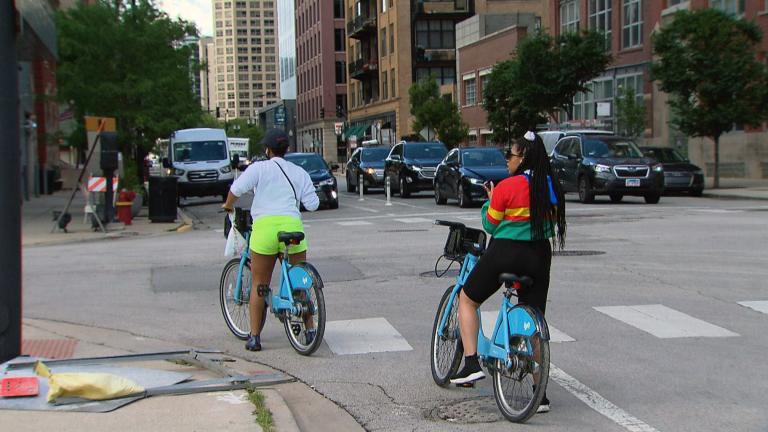
Drivers who park their cars in dedicated bicycle and bus lanes, as well as crosswalks, bus stops and no parking zones, will be ticketed if the infraction is captured by city cameras mounted on poles and on the front of buses and other city vehicles, officials said.


Liquid albuterol has been in short supply since last summer. Now, the news of a manufacturing plant shutdown worries some doctors who work with patients with breathing problems such as asthma.
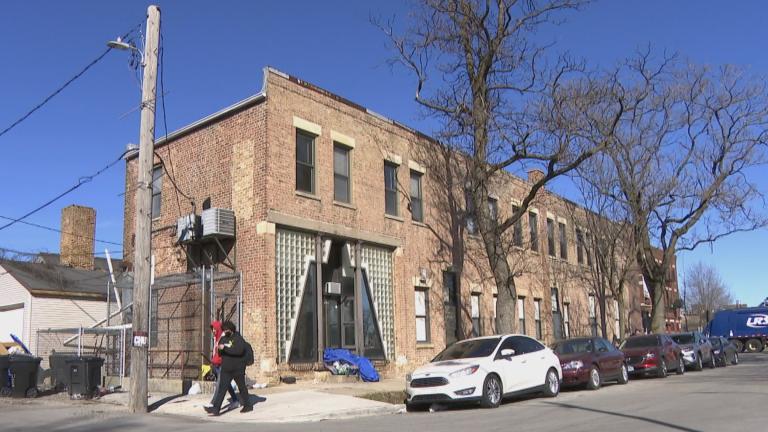
Since it first opened inside a health clinic in 2018 and moved to a deconsecrated church in 2019, the Pilsen Food Pantry has expanded its offerings and ambition.
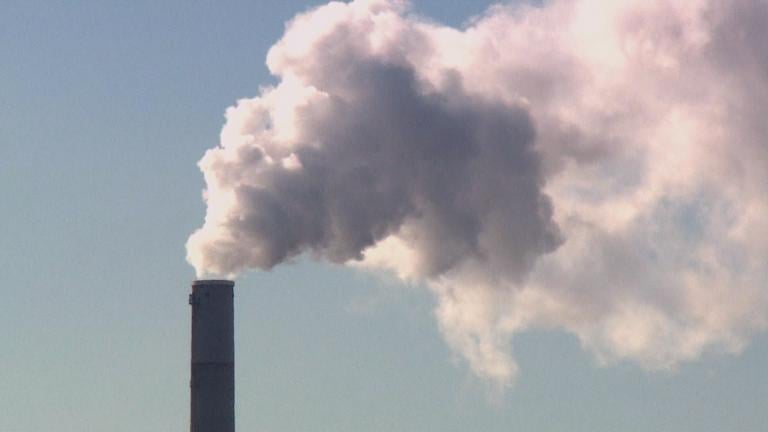
Cook County is the worst neighbor in the country when it comes to smog, according to new data from the EPA. Health-damaging smog can travel hundreds of miles to neighboring counties and states.
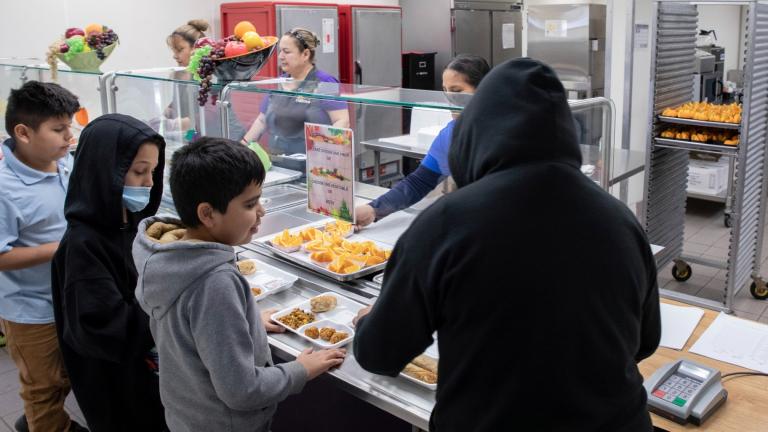
Soaring food prices are adding strains on families who are seeing reductions in multiple kinds of financial assistance. One federal program that ends this month had given nearly 30 million Americans extra food stamps during the pandemic.
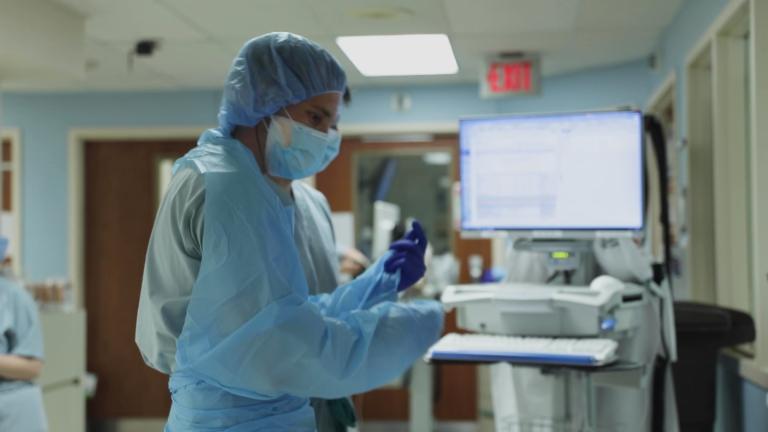
The U.S. Department of Energy and the FBI both assess that COVID-19 may have leaked from a lab in Wuhan, China. Yet the Energy Department has “low confidence” in its assessment, while FBI director Christopher Wray said the agency has “moderate confidence” in its.
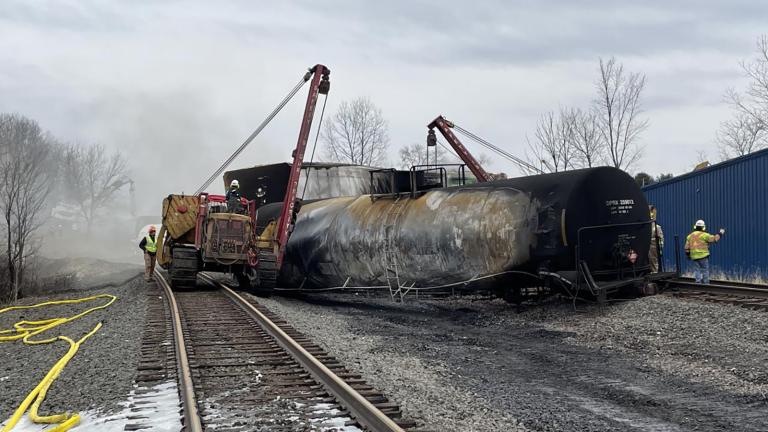
Federal data show 272 hazardous materials releases involving trains in Illinois in the last decade. Predicting when and where environmental problems will manifest is difficult, but the risk is real.
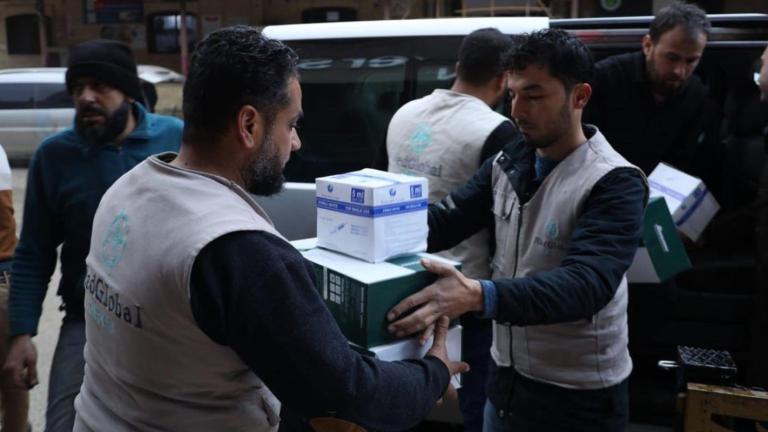
MedGlobal, a humanitarian organization based in Chicago, is composed of 12 physicians who deploy to disaster-struck countries to help in times of need. Most recently, three physicians traveled to both Syria and Turkey to help those affected by the disaster.
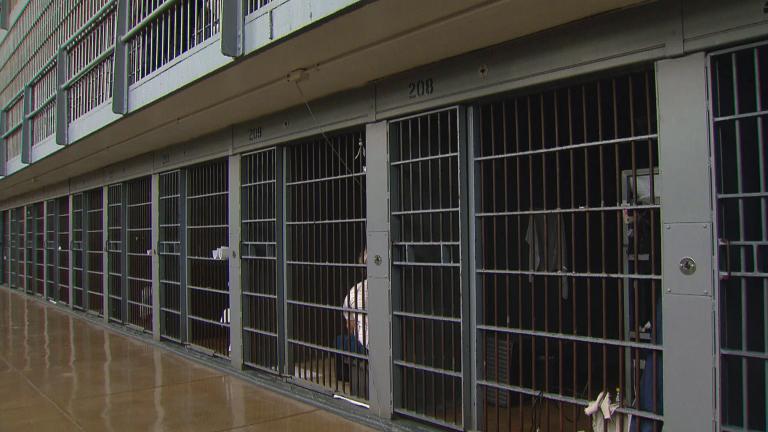
“I’m grateful to Director Jeffreys for his years of service, ensuring the dignity and safety of the incarcerated people of Illinois,” Gov. J.B. Pritzker said in a statement.
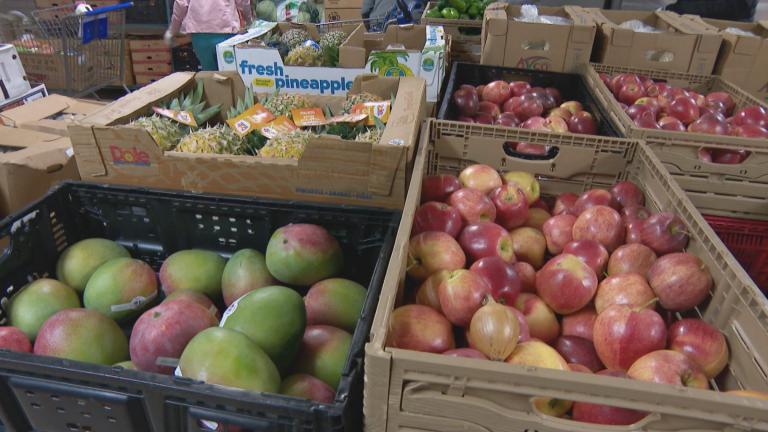
Households in Illinois receiving SNAP food benefits will see them decrease in March as a pandemic-era policy giving families additional benefits comes to an end. The average person will receive about $90 less in SNAP benefits per month.
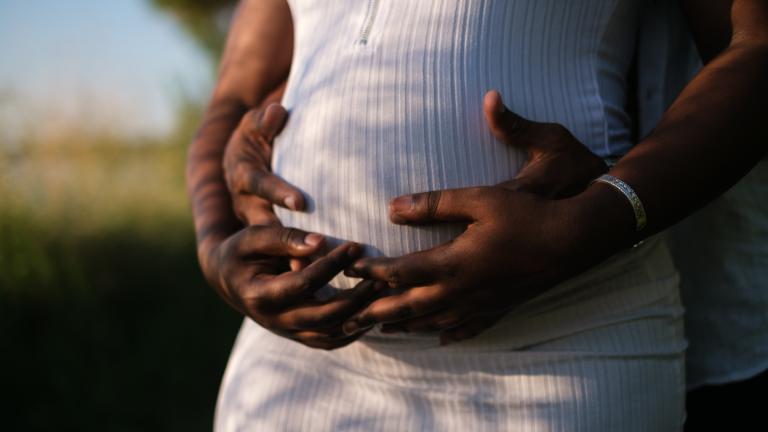
A nearly decade-long study from the National Bureau of Economic Research looked at births in California. The study found that babies born to the richest Black women were still more likely to die than babies born to the poorest White women.
Designed to “create safer streets and a better transit experience,” the new initiative is set to last two years, and would target scofflaws downtown, between the lake, Ashland Avenue, Roosevelt Road and North Avenue.
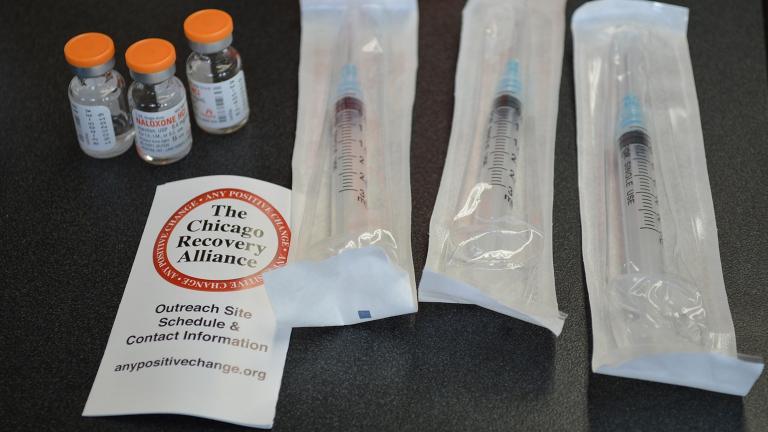
The veterinary drug was connected to a rising death toll in Cook County and across the state. The new restrictions aim to prevent the drug from entering the U.S. market for illicit purposes.
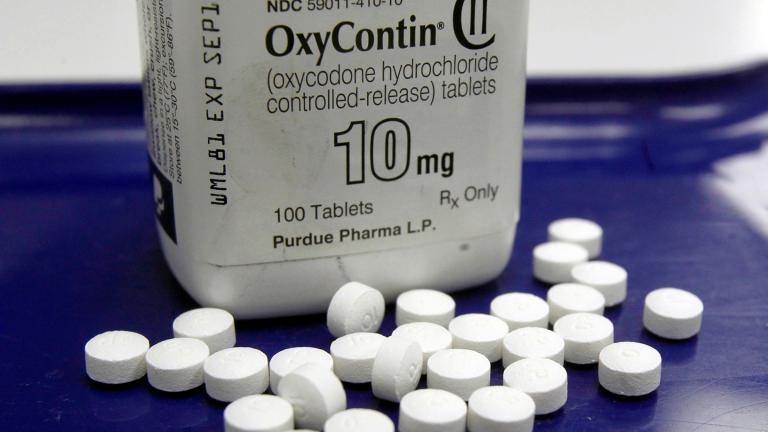
The proposal could overhaul the way millions of Americans get some prescriptions after three years of relying on telehealth for doctor’s appointments by computer or phone during the pandemic.
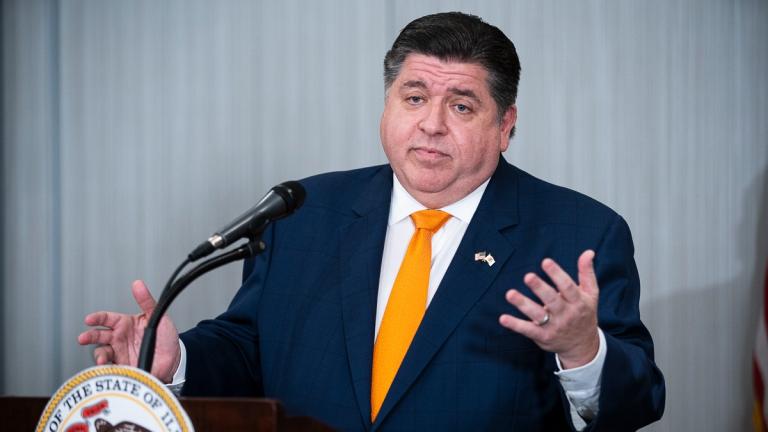
A report examining the capacity and condition of Illinois’ response to behavioral health in young people has been in the works for nearly a year. It sketches avenues to help families understand mental illness, then make it easier for them to get required care without wrangling among disparate state agencies.
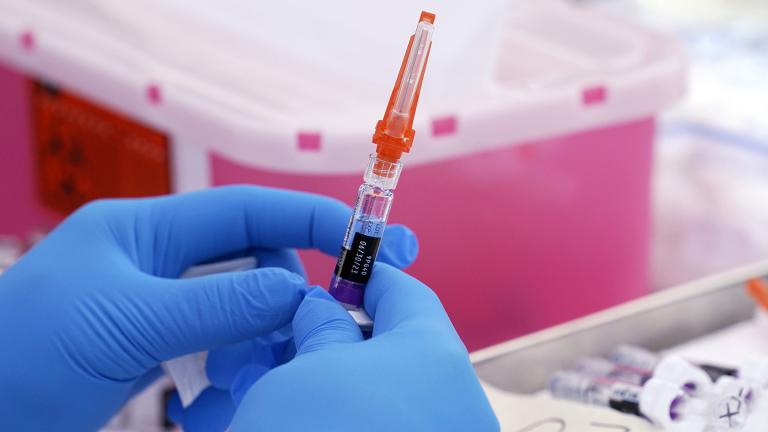
The vaccines were more than 40% effective in preventing adults from getting sick enough from the flu that they had to go to a doctor’s office, clinic or hospital, health officials said during a Centers for Disease Control and Prevention vaccines meeting Wednesday.
Trending
Who Is Running, or Thinking About Running, to Become Chicago’s Next Mayor

Thursday’s Near-Total Lunar Eclipse Is One to Watch, Chicagoans Won’t See Another This Good for Years

Mayor Johnson Signs Executive Order Targeting Firms Profiting From Immigration Raids
Proposed Express Train Would Take People From Downtown to O’Hare Airport in 15 Minutes

Pritzker to Trump: Don’t Force Illinois Farmers to ‘Pick Up the Tab’ for Iran War

Sign up for the WTTW News newsletter