

Health


The doctor-patient relationship can sometimes become a tricky one, and health care professionals are working towards improving the process and outcome of patient care. What are some of the key issues facing patients, health care professionals and ethics? We talk with Dr. Peter Angelos, the Associate Director of the MacLean Center for Clinical Medical Ethics.

New guidelines were released Tuesday that will alter how doctors treat patients at risk for stroke and heart disease.

The FDA proposed a ban Thursday of partially hydrogenated oils that create the byproduct trans fat. Large restaurant chains and manufacturers have been limiting the trans fat content in their products for years, but some question whether a ban is the most effective approach to preventing heart disease. Read an interview.
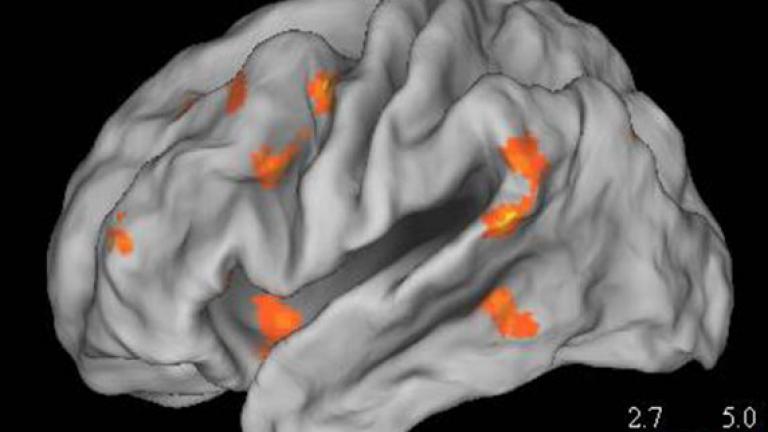
Researchers at two local universities are looking into how poverty impacts young minds. We have the story. Learn more about the studies, and view a photo gallery.

While glitches plague the federal health insurance marketplace website, we discuss how things are going for people here in Illinois.

While the federal Health Care Exchange website may be plagued with problems, it hasn’t stopped so-called “navigators” from helping thousands of people enroll for health insurance in Illinois. We pay a visit to a navigator at work. Read an article.

Finances, relationships, employment or the lack thereof, can all bring stress to your life. But what is stress really doing to your body? Dr. Charles Hebert of Rush Medical Center, and Joanna Hakimi, a therapist with Symmetry Counseling, discuss the effects stress has on your body, and ways to manage your stress. Read about signs and symptoms of stress, along with prevention techniques.

The steel mills may be gone, but the south side is again under threat from a growing source of air and water pollution. It's referred to a "petcoke," and is a byproduct of refining heavy tar sands oil. We share what you had to say about it in tonight’s viewer feedback.

Piles of petcoke, a byproduct from oil refineries, building up along the Calumet River have southeast side residents worried about their health. Elizabeth Brackett has the story. Read an article.
Researchers in the fight against Alzheimer’s may have found a way to detect the disease early on. They discovered small toxins related to Alzheimer’s, which builds up in the brain, attacking the brain’s memory centers. Collaborators are trying to discover a way to protect the brain from these toxins, or even better, prevent them from building up in the first place. Dr. William Klein, an Alzheimer’s disease researcher at Northwestern University, joins us with details. Read facts and figures about Alzheimer's disease and watch a video.
A book called How We Do It: The Evolution and Future of Human Reproduction explores the science of sex and childbirth. We revisit a conversation with the book's author. Read an excerpt.

Do you find medication instructions confusing? We talk with a Northwestern professor on a quest to make prescription labels clearer and more consistent so patients will get the most out of their medication.

We check the pulse on the first day of the health insurance exchange open enrollment.

The Illinois health insurance marketplace has officially been named “Get Covered Illinois.” Starting on October 1, Illinois residents will be able to shop around for health care plans. Gov. Pat Quinn has released a few preliminary estimates of plan rates, saying plans in Illinois could be more than 25 percent lower than initial federal estimates. Our panel breaks down some of the numbers. View a timeline on the Affordable Care Act and future health care deadlines.

The Environmental Protection Agency sampled a small number of Chicago homes and found higher levels of lead where water pipes were disturbed by street work and plumbing repairs. We have analysis. Read the EPA study.

Catching the flu may be the last thing on your mind as summer unwinds, but flu season is right around the corner. This year, there will be more vaccine options to help prevent against the influenza virus than in years past, including a vaccine that prevents against four strains instead of the traditional three strains of the virus. Read symptoms and tips to avoid the flu.
Trending
Cook County Announces $20M for Community Violence Intervention Services

Chicago’s Sidewalks Aren’t Accessible for People With Mobility Challenges, Lawsuit Argues. The City Wants the Case Dismissed

Chicago US Attorney’s Office Reviewing Past Grand Jury Proceedings After Another Case Tied to ‘Broadview Six’ Prosecutor Falls Apart

Chicago Advocates Call for New Gun Violence Prevention Efforts After Mass Shooting, Trump Response

Alpha-Gal Syndrome Poses Threat to Southern Illinoisans as Tick Population Surges

Sign up for the WTTW News newsletter