Arts & Entertainment
Reflecting on Native American Experiences as the US Celebrates 250th Anniversary
Americans nationwide are celebrating the 250th anniversary of the United States, marked by the signing of the Declaration of Independence. However, the country’s origins started before English settlers claimed the land as their own.
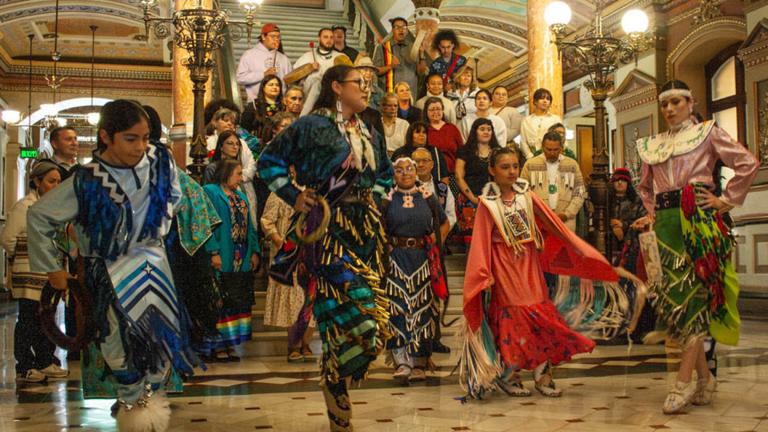
For centuries, Native Americans have fought for rights, land and sovereignty after the United States broke treaties and forcibly removed millions of Natives from ancestral land. Today, Native communities are still healing from a history of broken promises as other Americans celebrate the semiquincentennial.
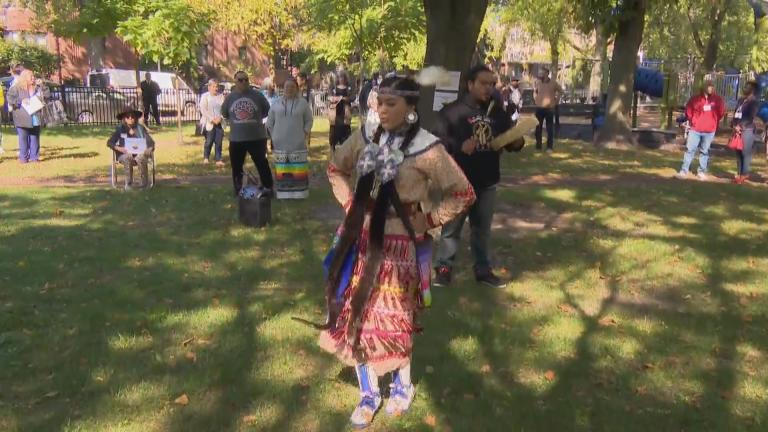
Justin Velasquez, director of the Tunica-Biloxi Chicago Branch Office, said the celebrations bring nuanced emotions for many Natives in the United States.
“I think 250 is very complicated for Native Americans because that’s 250 years basically of admitting we’ve been conquered,” Velasquez said. “But at the same time I am born in America and I only know America and I love this country.”
Data from the 2020 census showed that Native American populations in the U.S. are rapidly increasing, but that data is the result of significant underreporting, meaning the population could be larger than we know.
Because of the tense relationship between many Native American communities and the United States government, many Natives do not fill out the census. Decades of distrust in governmental forms and agreements still have tangible impacts in the United States today.
One of the ways these impacts manifest is in the lack of proper healthcare of Native Americans. Velasquez said that issue is one of the biggest Natives face.
“Native Americans on average live 11.2 years less than the general population,” Velasquez said. “It goes back to data and not having those correct numbers on a lot of intake forms for medical things. We’re listed as an ‘other.’”
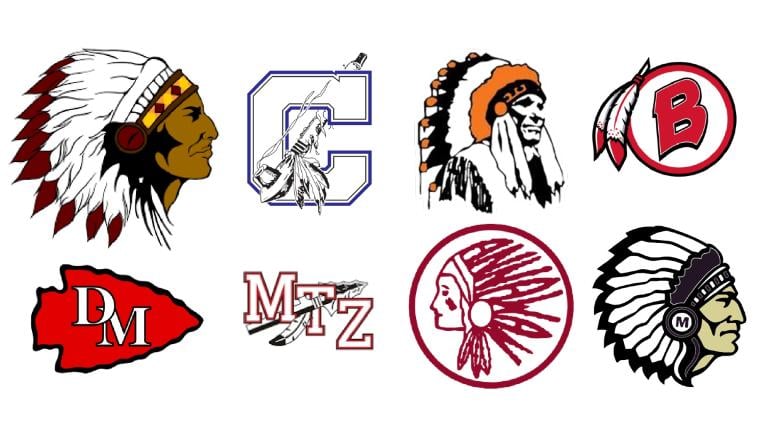
Healthcare isn’t the only place where Natives are misrepresented. In the United States education system, Native Americans are often portrayed in a pre-1900s context ignoring contemporary Native issues and efforts. This miseducation impacts social relationships between Natives and non-Natives, portrayals of Native Americans in media and stigma surrounding various tribes nationwide.
In 2023, Illinois sought to change this historic misrepresentation by passing a law that requires public elementary and high schools to teach the history, contributions and sovereignty of Native Americans.
Shortly after, Illinois took another step in recognizing Native communities.
In 2024, the Prairie Band Potawotami became the first federally recognized tribal reservation in Illinois, but there are still hundreds of tribes across the United States that do not have federal recognition. These unrecognized tribes are not granted tribal sovereignty, meaning they do not have access to various governmental services that are needed by Natives who live on and off federal reservations. These resources include energy assistance, SSI benefits and funding for low-income families.
“A lot of them that aren’t federally recognized are striving to do that because, again, that comes with the sovereignty and a lot of things that really help our tribal nations grow,” said Shelly Tucciarelli, vice president of the Chicago American Indian Community Collaborative.
The U.S. government isn’t the only entity being held responsible for ignoring Native Americans. Megan Baker, assistant professor of anthropology at Northwestern University, said that all people could improve their relationship with Natives moving forward.
“I think there should be greater recognition of tribal sovereignty and people trying to support it and help allow tribes to determine their own kind of communities,” Baker said.
For Velasquez, it’s Native Americans who should have the power to decide what’s next.
“We need to start being in charge of telling our own story,” Velasquez said. “If we let someone else tell our story, they’re gonna tell it wrong.”