Politics
Chicago’s Native Garden Registry Reaches New Heights as City Council OKs Use of Taller Plants
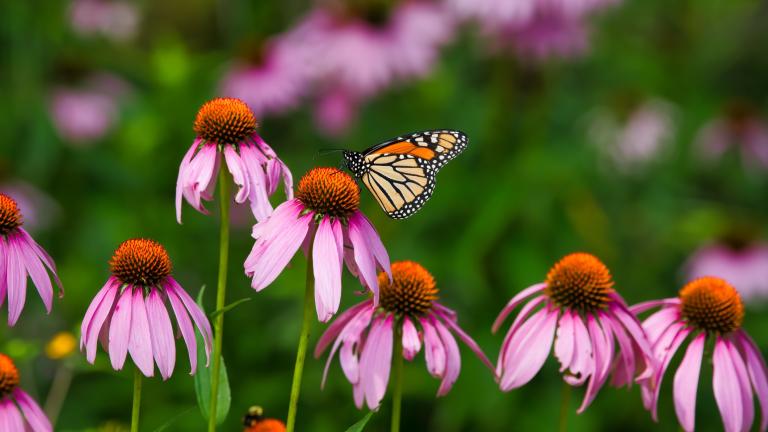
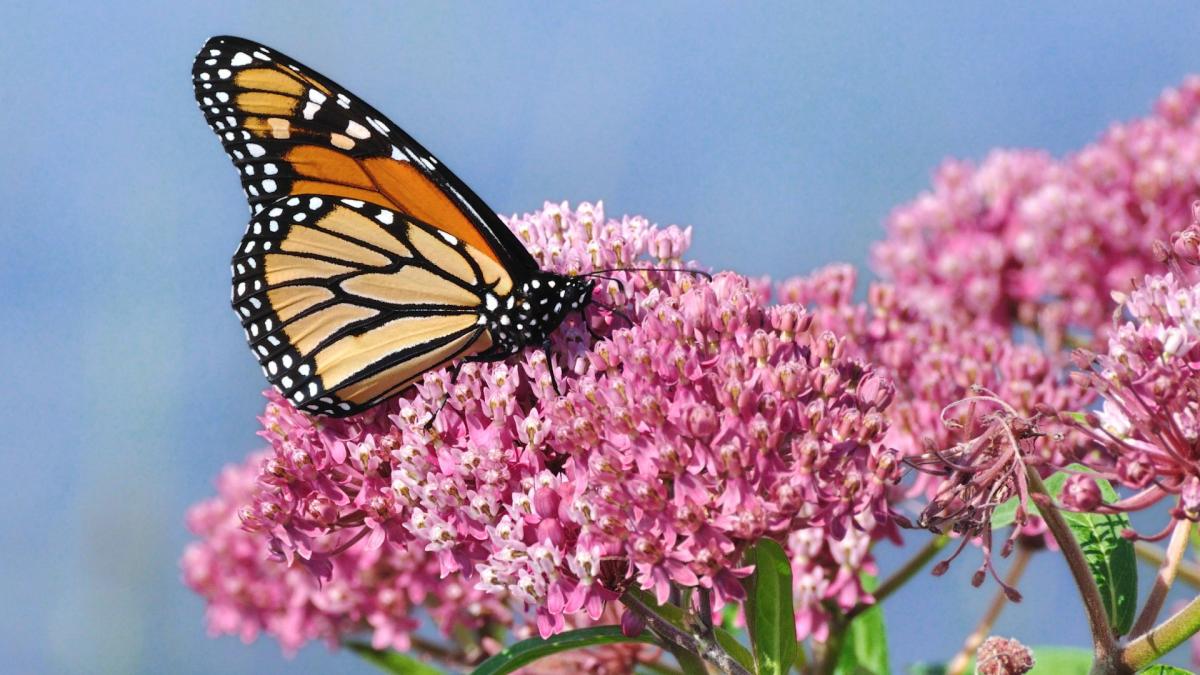 A monarch butterfly on milkweed. (herreid / iStock)
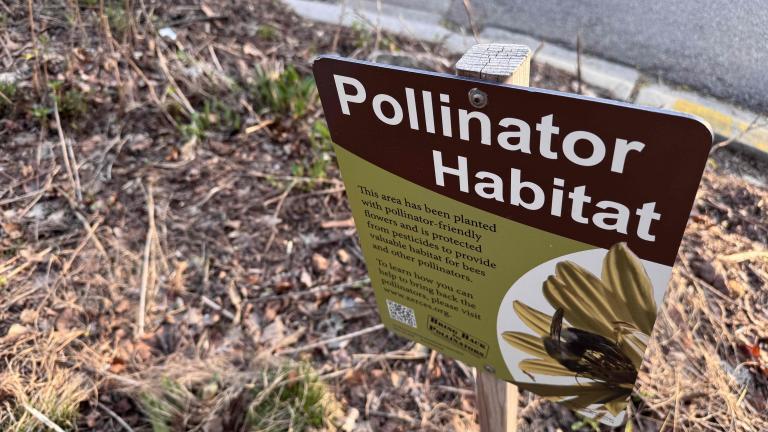
Things are looking up for Chicago’s native gardens.
On Wednesday, City Council members unanimously approved an amendment to the city’s Native and Pollinator Garden Registry ordinance, which now allows plants up to 36 inches tall in the parkway. Previously, the height limit was 10 inches, a holdover from the Department of Streets and Sanitation’s weed regulations.
Ald. Brian Hopkins (2nd Ward), lead sponsor of the registry ordinance, said the amendment was needed to accommodate taller plants such as purple coneflower and milkweed — natives that are popular with pollinators and, in the case of milkweed, absolutely vital for the survival of the endangered monarch butterfly.
It “makes no sense” to limit plantings to 10 inches if the restriction negates the use of the very species conservation-minded gardeners are being encouraged to incorporate into their landscaping, Hopkins said.
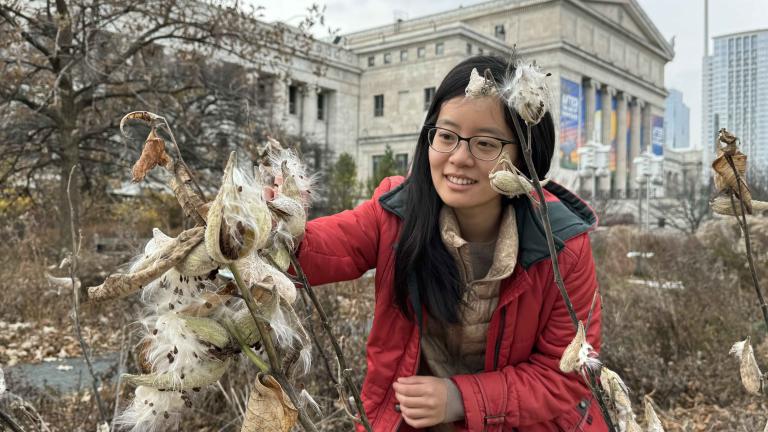
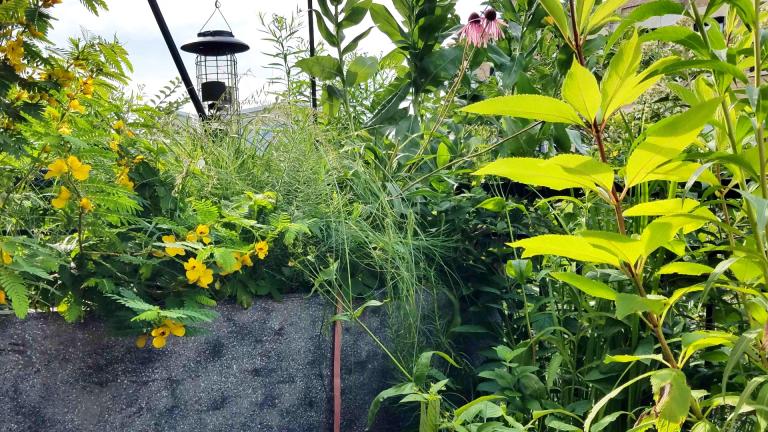
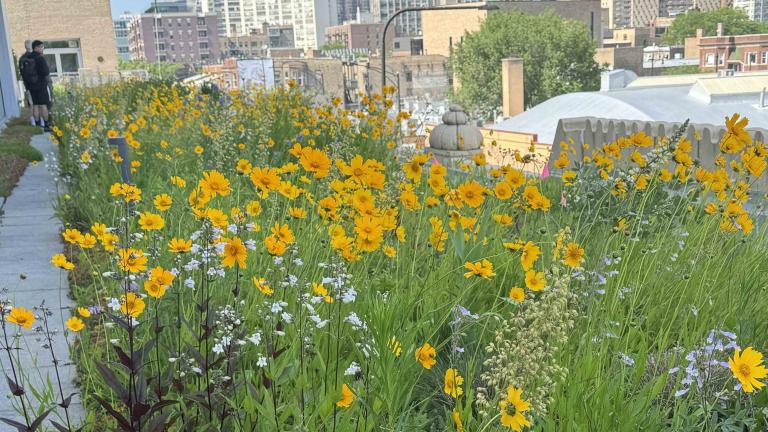
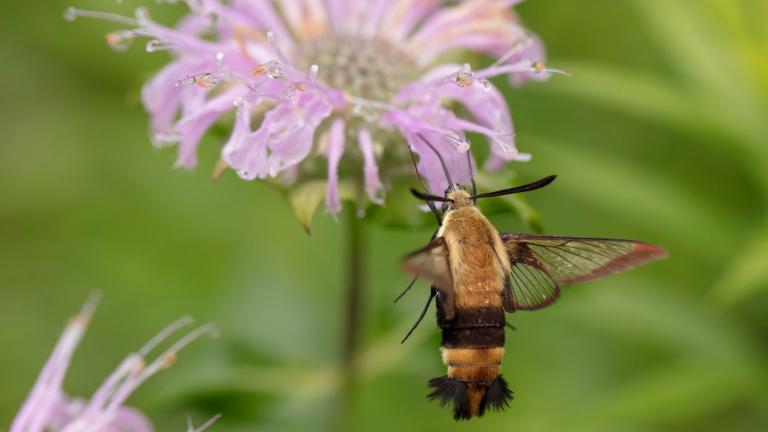
While there are a handful of native plants that top 6 feet — some climbing as high as 10 or 12 feet — many of the most popular natives found in gardens, including black-eyed Susan and bee balm, are in the range of the newly approved amendment.
The 36-inch allowance only applies to gardens on the registry, which includes stipulations for maintenance. The 10-inch maximum will continue to target unkempt properties.
The creation of the Native and Pollinator Garden Registry was prompted by high-profile cases of gardeners receiving tickets for violating Chicago’s weed ordinance, the weeds in question being native plants.
Though the ordinance establishing the registry passed City Council in fall 2021, an advisory board tasked with developing criteria for the registry as well as the application process wasn’t appointed until spring 2024.
Since then, the advisory board has been “proceeding deliberately,” Hopkins said at a committee hearing earlier in May.
The group worked hand in hand with Streets and Sanitation to arrive at the registry’s parameters, he said, and there were numerous back-end system requirements to take into account before opening up applications.
Gardeners interested in applying for inclusion on the registry — which only applies to parkway gardens and community gardens — will have to provide: a photo of the site, a planting scheme, a maintenance plan and a list of plants. Non-native plants are acceptable only if they’re pollinator-friendly.
Gardens will be added to the registry once an application has been reviewed and approved.
Contact Patty Wetli: [email protected]