Politics
Key City Panel Rejects Bid to Ban Video Gambling in 6 Chicago Wards, Defying Local Alderpeople
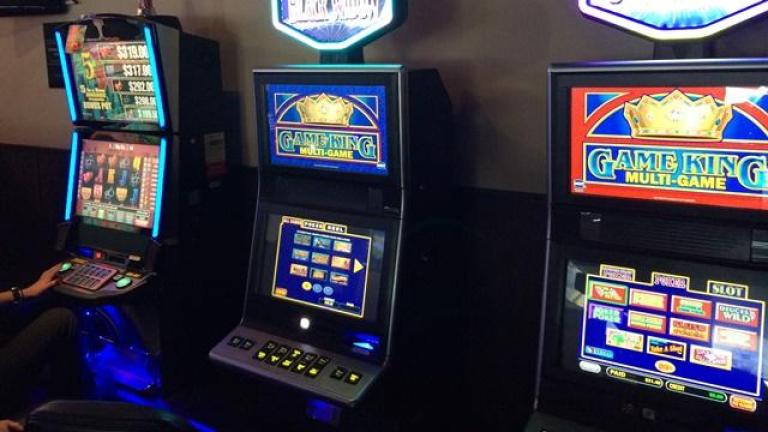
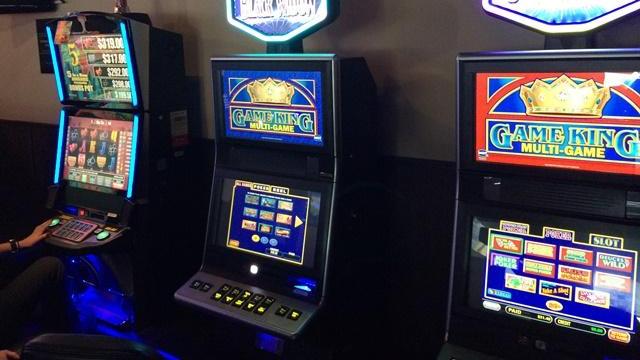 Video gambling machines are pictured in a file photo. (WTTW News)
A key Chicago City Council panel voted Thursday to reject efforts to ban video gambling from bars and restaurants in six wards, defying the decades-old tradition that gives alderpeople the final authority over licensing in their own wards.
The ordinances rejected by the committee would ban video slots and poker machines in Ald. Jessie Fuentes’ 26th Ward, Ald. Walter Burnett’s 27th Ward, Ald. Jason Ervin’s 28th Ward, Ald. Rossana Rodriquez’s 33rd Ward, Ald. Anthony Quezada’s 35th Ward and Ald. Maria Hadden’s 49th Ward.
Both Burnett and Ervin asked Ald. Debra Silverstein (50th Ward), the chair of the City Council’s License and Consumer Protection Committee, not to hold a vote on the two measures during Thursday’s meeting. Similar requests are routinely honored by committee chairs, particularly when the impact of the proposal is limited to specific wards, rather than citywide.
Silverstein declined to honor those requests, instead recognizing motions from Ald. Anthony Napolitano (41st Ward). The committee, including Napolitano, quickly voted to reject both measures without debate.
That brought a furious and incredulous response from Ervin, the chair of the Budget Committee and a key ally of Mayor Brandon Johnson.
“This is a whole new era we are in,” Ervin said, explicitly warning his colleagues that they were about to violate aldermanic prerogative. “I guess we are throwing all that out of the window.”
That unwritten code calls on alderpeople to mind their own business and vote along with the alderperson whose ward is impacted with the implicit understanding that what they want to happen in their ward will be rubber-stamped in return.
“Just remember,” Ervin told his colleagues. “The same two teams that play today play tomorrow.”
Only once in recent years has the City Council approved a high-profile project over the objection of the local alderperson. That development, in Napolitano’s Far Northwest Side’s ward, was never built.
Before the vote to reject Ervin’s attempt to ban video gambling in his West Side ward, Napolitano reminded his colleagues that he had not forgotten their vote in December 2021 to defy his wishes.
The committee vote is the latest skirmish in the political battle over video gambling in Chicago, which was authorized as part of the city’s 2026 spending plan that took effect over Johnson’s objections.
The city’s budget relies on $6.8 million in revenue from video gambling.
However, the city’s finance team warned legalizing video poker and slots will cost the city $3 million, based on a study from a city consultant, Jaworski said.
Johnson opposed the authorization of video gambling in Chicago, citing a city-commissioned study that found it would not trigger a windfall and could prevent the city’s casino, run by Bally’s, scheduled to open this fall at its permanent location in River West, from getting off the ground.
Johnson and his allies have warned that allowing video poker and slots in bars and restaurants will reduce the quality of life in Chicago’s neighborhoods by increasing the number of Chicagoans suffering from gambling addictions while leading to a spike in burglaries and robberies.
However, the hospitality industry contends the machines will offer struggling businesses a lifeline in a tough economic climate.
A study by a city consultant warned alderpeople that the decision to legalize video gambling could cost nearly 400 jobs at the casino.
City officials expect Bally’s will stop paying the city $4 million annually, as called for in the agreement it reached with Chicago officials in 2022 for the city’s first, and only, casino license.
In addition, the city will earn less tax revenue from bets placed at bars and restaurants than those placed at the future casino.
The Illinois Gaming Board has received 207 applications from Chicago bars and restaurants that want to offer video gambling, said Elizabeth Kaufman, a spokesperson for the board.
Board Administrator Marcus Fruchter said Feb. 26 that the board will treat Chicago applications the same as every other video gambling community across Illinois and process applications in the order of submission.
There is no deadline for those applications to be considered by state officials, which must conduct a thorough investigation into each establishment, Kaufman said.
Contact Heather Cherone: @HeatherCherone | (773) 569-1863 | [email protected]