Politics
Chicago City Council Votes 33-15 to Reject Ban on ‘Sweepstakes’ Machines
 (WTTW News)
The Chicago City Council voted 33-15 Wednesday to reject a ban on so-called sweepstakes machines, heeding the objections of Mayor Brandon Johnson’s administration.
Approximately 7,000 unpermitted sweepstakes machines operate in all kinds of businesses across the city — including in bars, restaurants, gas stations, laundromats and convenience stores — but are concentrated on the South and West sides.
Ald. Anthony Beale (9th Ward), the author of the proposed ban, called it a “slam dunk” that would speed up efforts by bar and restaurant owners to offer licensed video gambling, which he said will mean tens of millions of dollars in new revenue for the city and a boost for struggling businesses.
But Ald. Jason Ervin (28th Ward) warned that banning sweepstakes machines — and allowing video gambling to operate in every bar in Chicago — would be a bad deal for Chicago taxpayers.
“We’re tripping over $100 bills to pick up nickels,” Ervin said. “Because that’s what we get from a (video gaming terminal) machine: 5 cents on the dollar.”
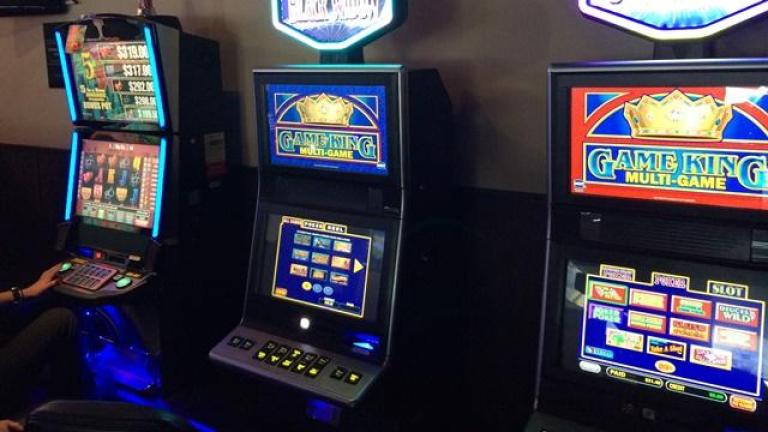
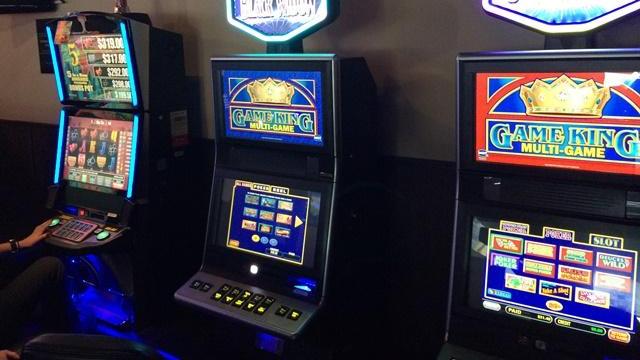
Sweepstakes machines look like video poker machines and function in much the same way, but offer tickets redeemable for cash or merchandise, skirting the letter of the law in what officials have long called a “gray market.” Neither the city nor the state tax those machines.
Allowing unregulated sweepstakes machines to operate alongside licensed video poker, blackjack and slot machines would be unfair to business owners who follow the law, Beale said.
Business Affairs and Consumer Protection Commissioner Ivan Capifali told alderpeople his department has neither the authority nor the resources to stop businesses from offering sweepstakes machines but will often cite businesses with the machines for other violations of city codes and regulations.
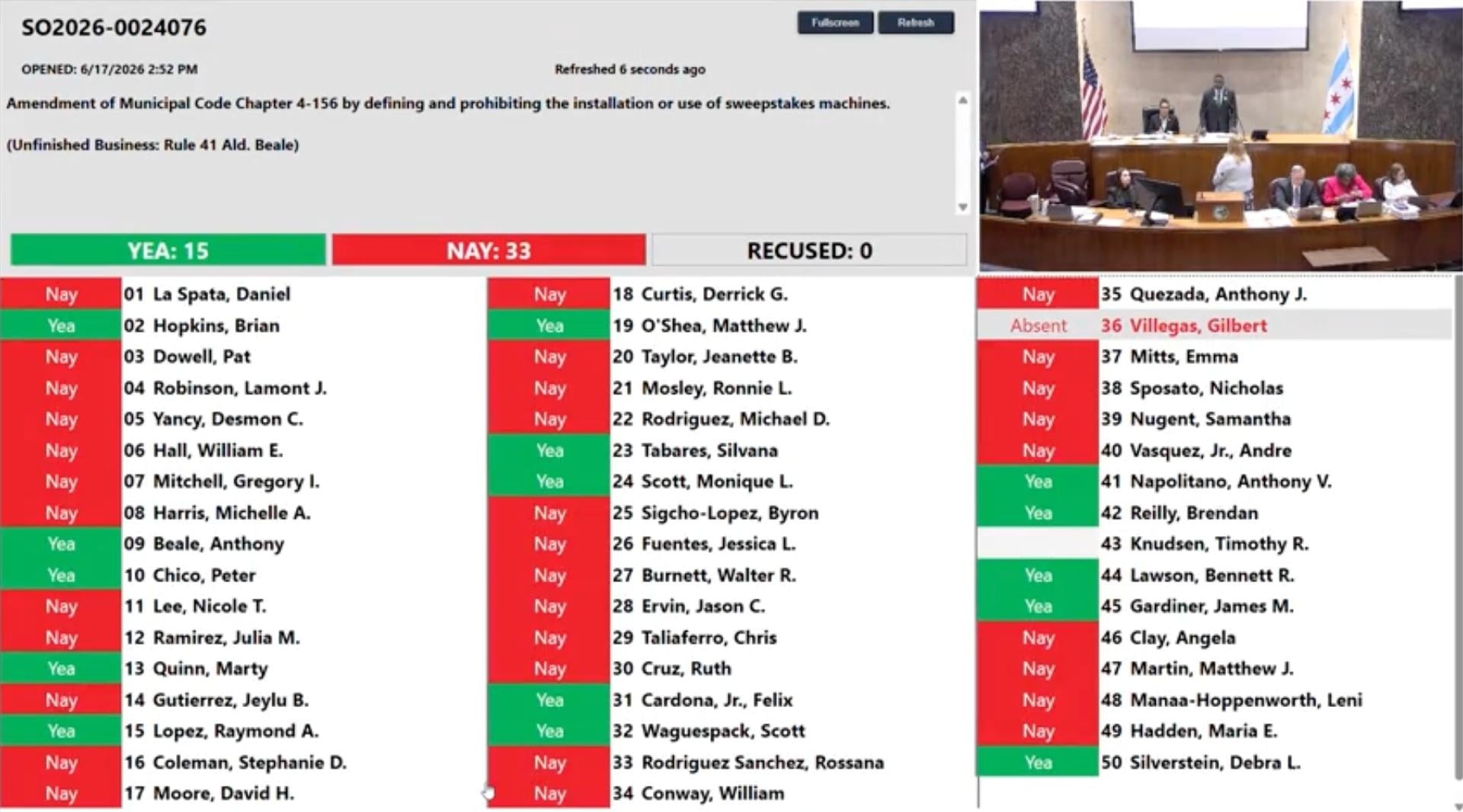 The City Council vote count of the proposed sweepstakes ban. (City of Chicago)
Various proposals to legalize — or ban — the sweepstakes machines, which first popped up in Chicago more than a decade ago, have frequently surfaced at City Hall, only to fade away amid concerted lobbying by both sides, leaving the issue in limbo.
The push to ban the machines gained new life amid the city’s latest financial crisis and after the City Council authorized video gambling as part of Chicago’s 2026 spending plan, which took effect over Johnson’s objections.
The city’s budget relies on $6.8 million in revenue from video gambling. That assumes that 3,300 bars and restaurants would offer as many as six video gambling machines, for a total of 19,800 new terminals.
By comparison, Bally’s permanent casino is permitted to have a total of 4,000 video gambling terminals by state law.
Johnson and his allies called off an effort on Monday that would have asked the City Council to reverse its decision to green light video poker and slots across the city.
The Illinois Gaming Board voted June 11 to allow video gambling in three Mount Greenwood taverns — Bar 106, Lawlor’s Bar and Hippo’s Bar — as well as Beverly’s Cork and Kerry, Half Sour in the Loop and brunch restaurant Eggsperience in Lakeview, records show.
Gambling will not be allowed in any of those establishments until the city issues its own licenses.
While the city’s finance team warned legalizing video poker and slots will cost the city $3 million, based on a study from a city consultant, Beale said he is confident that the change will mean approximately $100 million in new revenue for the city every year.
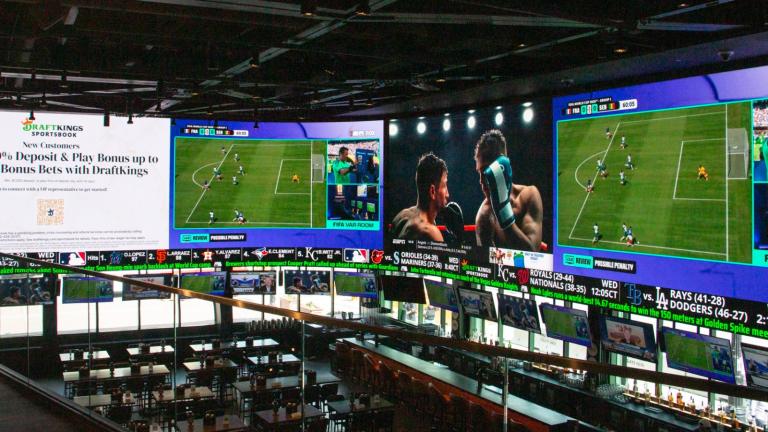
More than 285 Chicago bars and restaurants have asked state regulators to let their patrons try their luck closer to home, rather than at the city’s casino.
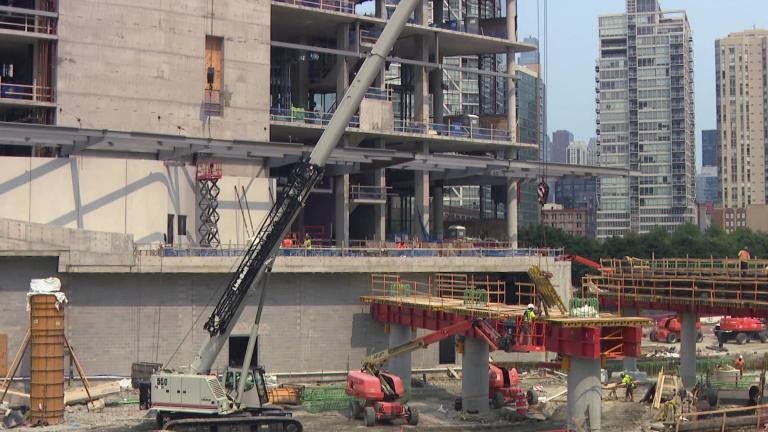
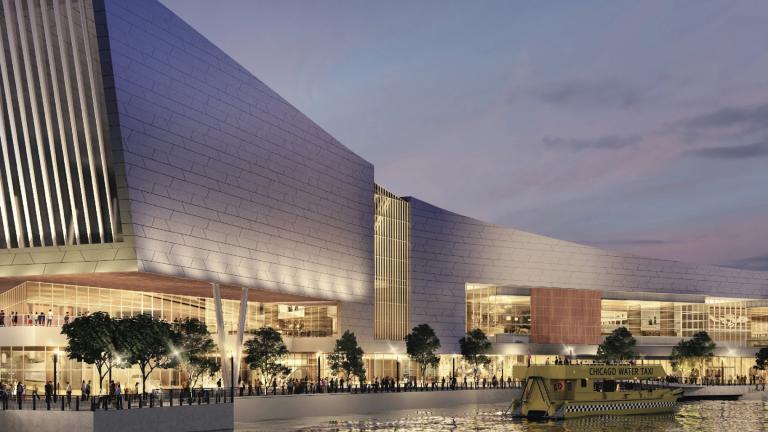
Bally’s Vice President Christopher Jewett warned the City Council in a letter sent Wednesday that allowing video gambling in bars and restaurants would kneecap the city’s permanent casino, now scheduled to open in River West in early 2027. It was originally set to open in September.
“Authorization of (video gaming terminals) at this scale is a permanent transformation of the city’s gaming landscape,” Jewett wrote.
If video terminals start ringing up jackpots, Bally’s will stop paying the city $4 million annually, as called for in the agreement it reached with Chicago officials in 2022 for the city’s first, and only, casino license, Jewett wrote.
In addition, allowing video gambling in bars and restaurants will mean the elimination of more than half of the 3,000 permanent jobs planned at the permanent casino, Jewett wrote.
“Should the City Council fail to remedy the ill-advised decision to approve (video gaming terminals) licenses, you will have placed all of these commitments in immediate jeopardy,” Jewett wrote. “We remain open to further dialogue to remedy the harm caused by this decision. Absent urgent action by the City Council, however, we will have no choice but to pursue all available legal remedies.”
Ald. Bennett Lawson (44th Ward) dropped a bid to ask the City Council to require the city’s Department of Business Affairs and Consumer Protection to speed efforts to approve city video gambling licenses once state officials acted.
In addition, the City Council has not acted on a measure endorsed by the License and Consumer Protection Committee in March that would have banned video gambling from bars and restaurants in six wards, defying the decades-old tradition that gives alderpeople the final authority over licensing in their own wards.
Contact Heather Cherone: @HeatherCherone | (773) 569-1863 | [email protected]