Science & Nature
Pee-EWW! Foul Odor in North Side Neighborhoods Linked to Deep Tunnel Shafts
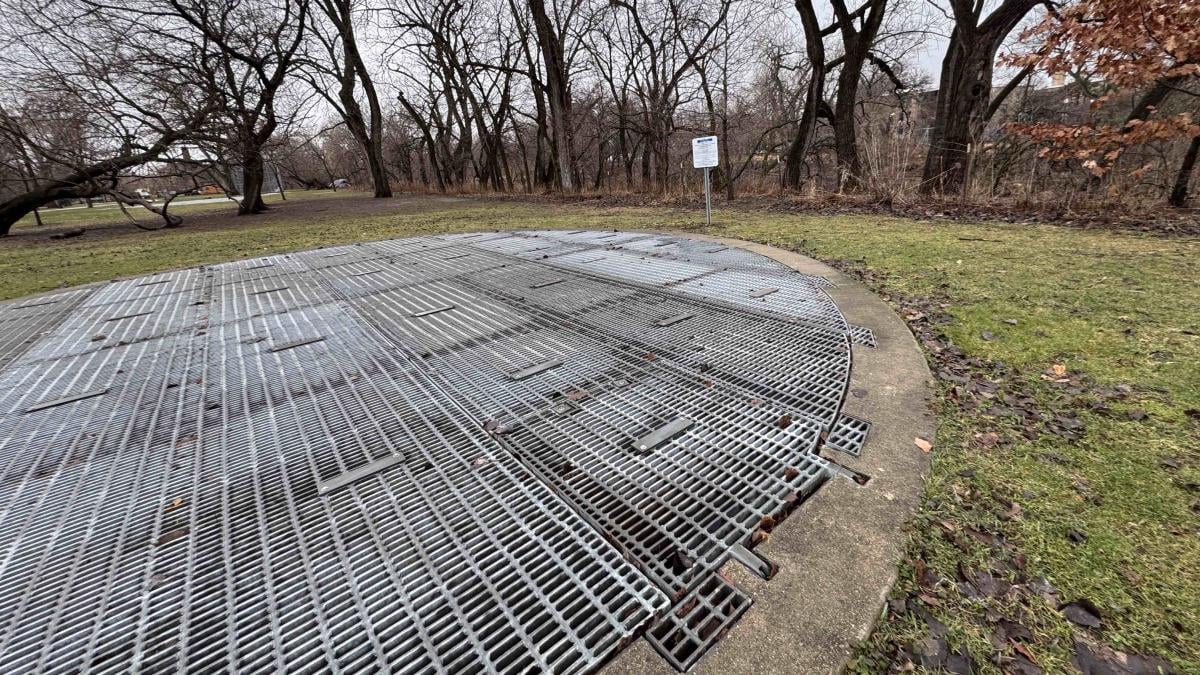 A Deep Tunnel drop shaft, located near the North Branch Pumping Station. (Patty Wetli / WTTW News)
Well, that stinks.
Residents in several North Side neighborhoods reported a foul stench on Tuesday, described by some as “skunk”-like but mostly sewage.
The odor seemed most noticeable in areas along the North Branch of the Chicago River and North Shore Channel, with folks chiming in on social media from Lincoln Square, Albany Park, North Center, Irving Park, Horner Park and Roscoe Village.
Anne Nolan woke up Tuesday and after catching a whiff thought she had a plumbing problem.
“The smell has permeated my house, even with the windows all closed,” Nolan shared on a neighborhood Facebook page.
Her post drew comments from others holding their noses. Many pointed blame in the direction of a nearby pumping station.
Allison Fore, spokesperson for the Metropolitan Water Reclamation District of Greater Chicago, said staff investigated and also detected the offensive smell.
“We believe the issue might be odor escaping from TARP drop shafts,” Fore told WTTW News via email on Wednesday.
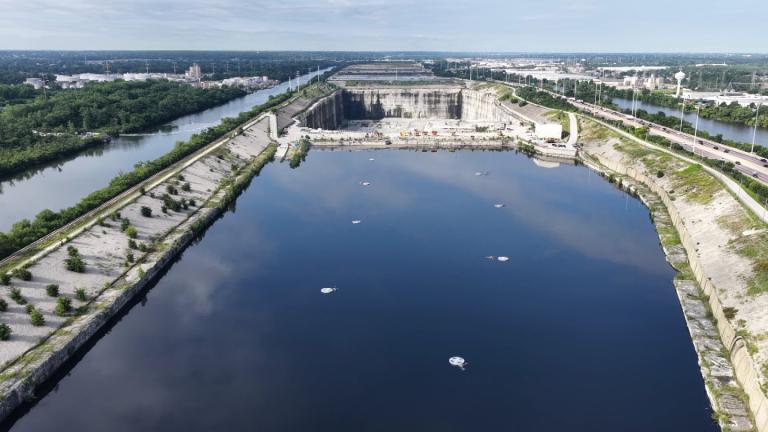
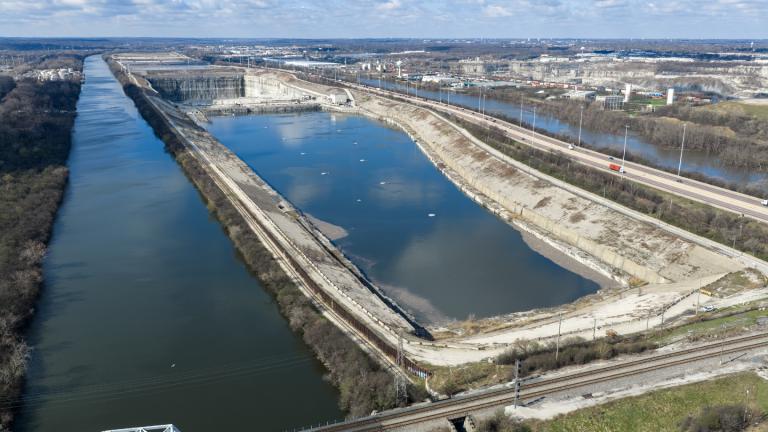
TARP refers to the Tunnel and Reservoir Plan, more commonly known as the Deep Tunnel system — 100 miles of tunnels and multiple reservoirs constructed to ease flooding during heavy rains.
Drop shafts are divided into two parts: One half redirects sewer overflows to the deep tunnels, the other allows the release of displaced air as water enters the system.
There are more than 250 drop shafts in the system, ranging from 4 to 25 feet in diameter, covered in grates and venting to the outdoors.
Fore provided additional details to WTTW News on Friday. There are louvers on the drop shafts that allow air to escape the drop shaft when the tunnel is filling, and then they close after a rain event to prevent odors, she explained.
This louver system operates by gravity and “occasionally a louver will stick open after a rain event with heavy flow,” Fore said. “The district has staff checking the shafts and closing any that may be stuck open as a result of recent rain events.”
Large vents can be found in the areas affected by this week’s stench, but several neighbors, who are accustomed to a certain pungency, noted the stink was far worse than normal. One fella even went online to search for news of overflows spewing directly into the river (and found none).
Nolan said she ran a fan all day Tuesday to clear the air indoors. “In my 30 years in the ‘hood, I’ve never experienced such a bad smell.”
MWRD asks people to report odors, either by calling 800-332-3867 or supplying information via the agency’s online system.
This article originally published on March 11, 2026, and has been updated with new information.
Contact Patty Wetli: [email protected]