

Marijuana
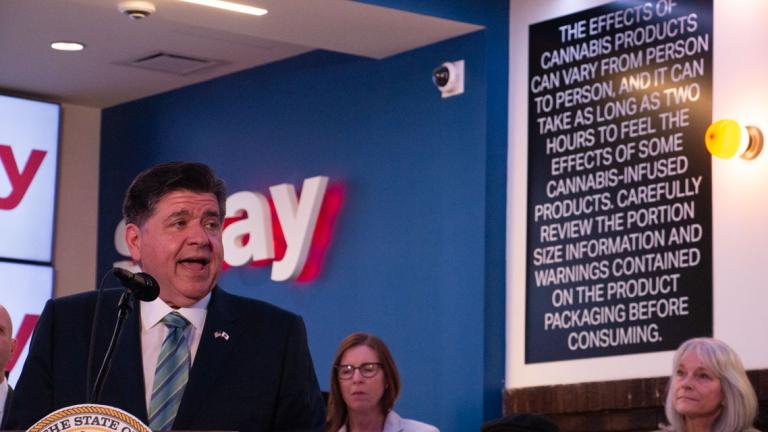
A wide-ranging new state law on hemp and other cannabis regulations was “long overdue,” Gov. JB Pritzker said Thursday at an event in Chicago to celebrate the new law he signed last month.

The new law will close a “loophole” that contributed to children, teens and young adults ingesting misleading or poorly labeled products, Gov. JB Pritzker said.
President Donald Trump’s acting attorney general on Thursday signed an order reclassifying state-licensed medical marijuana as a less-dangerous drug, a major policy shift long sought by advocates.
After years of litigation, the state of Illinois faces one final lawsuit over how it rolled out licenses to “social equity applicants” under the 2019 law legalizing recreational cannabis.
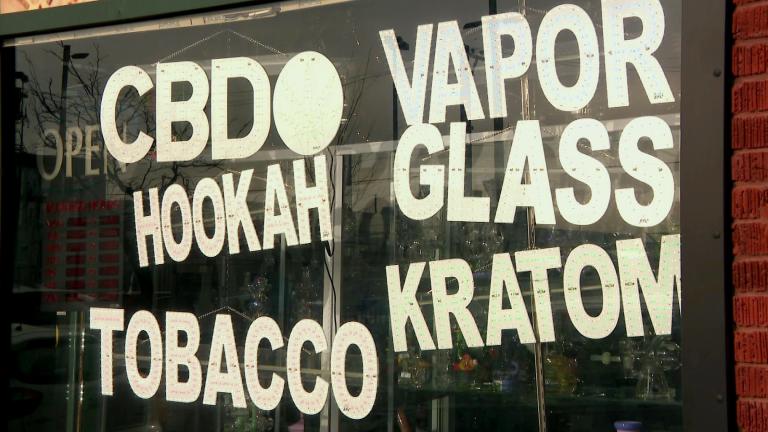
Mayor Brandon Johnson said the ban was too broad and punished “many of our small businesses who have been following the law and deserve to have a seat at the table,” including those owned by Black and Latino Chicagoans.
Legal experts say the newly enacted Clean Slate Act may help reduce gaps in record-clearing, and federal marijuana reclassification could spur broader reforms across the country.

The proposal immediately bans the sale of intoxicating hemp products to those younger than 21, while exempting the sale of beverages, topical creams and pet products with intoxicating hemp from the larger ban set to take effect April 1.
Officer Elmer Carrillo Jr. is the first CPD officer to be terminated for failing a drug test since Illinois legalized the recreational use of marijuana, and is the first to be fired by the Police Board in nearly a year and a half amid a protracted legal battle, records show.
A group of alderpeople led by 13th Ward Ald. Marty Quinn is pushing an ordinance to ban the sale of hemp-derived cannabinoid products in Chicago.
The License and Consumer Protection Committee voted 10-6 to send the measure to the full City Council, where it faces an uncertain fate and the opposition of Mayor Brandon Johnson.
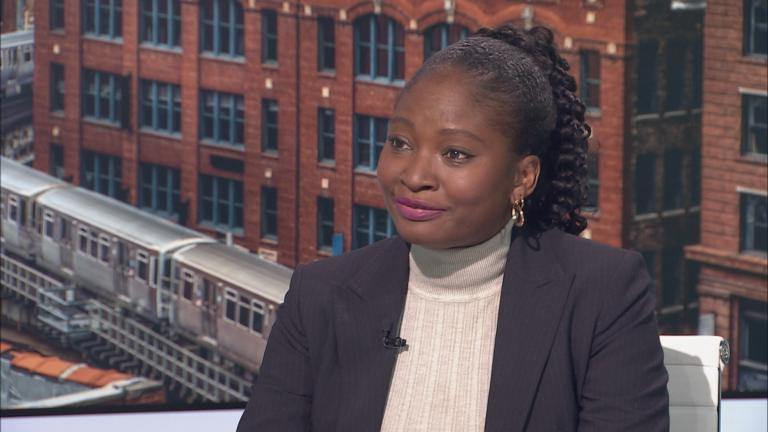
“From the public health perspective, it is about protecting the children and protecting adults who don’t really know what is in the products they’re consuming,” Chicago Department of Public Health Commissioner Dr. Olusimbo “Simbo” Ige said.
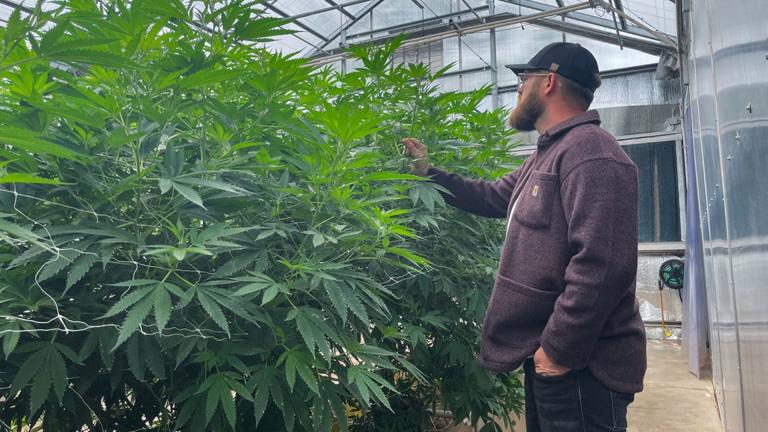
It marked the third consecutive year that a regulatory bill failed, the latest front in a legislative fight that largely pits the state’s legalized cannabis industry against its industrial hemp growers.
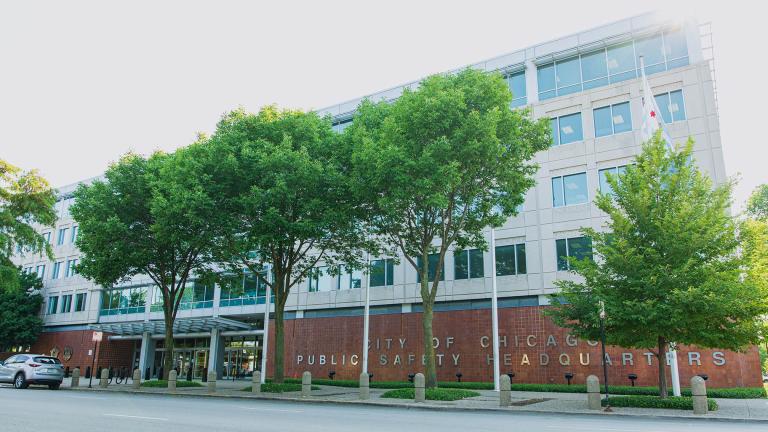
Chicago Police Department officials agreed to revise proposed new rules and prohibit officers from searching vehicles based on the smell of raw cannabis, a coalition of reform groups told the federal judge overseeing efforts to reform the Chicago Police Department.
The bill comes after the Illinois Supreme Court issued a pair of rulings last year. The court ruled in September that the smell of burnt cannabis did not give police probable cause to search a vehicle, but three months later ruled the smell of raw cannabis was probable cause for a search.
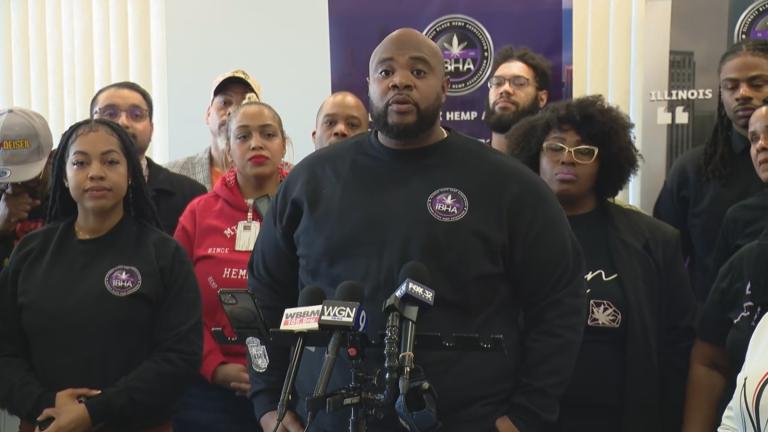
Many in the hemp industry said not everyone in the hemp space uses deceitful and dangerous practices, and that Gov. J.B. Pritzker’s approach will kill their responsible businesses along with the bad actors.
Endometriosis, Ovarian Cysts Among Conditions Added to Illinois Medical Marijuana Qualification List
The Illinois Department of Public Health announced Thursday that patients diagnosed with endometriosis, ovarian cysts, uterine fibroids and female orgasmic disorder can now register under the state’s compassionate use of medical cannabis program — bringing the total number of qualifying conditions to 56.
Trending
A CTA Bus Driver Was Attacked on the Job. She Was Later Fired While on Leave

Cost to Resolve Lawsuits Tied to Disgraced Ex-CPD Detective Reynaldo Guevara Tops $473M, With 25 Lawsuits Pending

Pritzker, Bailey Square Off in Contentious Discussion Over Taxes, Trump and Bears

Car Registered to Man Accused of Planning Mass Shooting Was at Hindu Temple He Targeted, Police Say

After City Council Refused to Settle, Jury Rejects Lawsuit Filed by Family of Woman Killed by Driver Chased by CPD
Sign up for the WTTW News newsletter