Politics
City Council Votes 32-16 to Ban Sale of Most Intoxicating Hemp Products in Chicago, With Some Exemptions
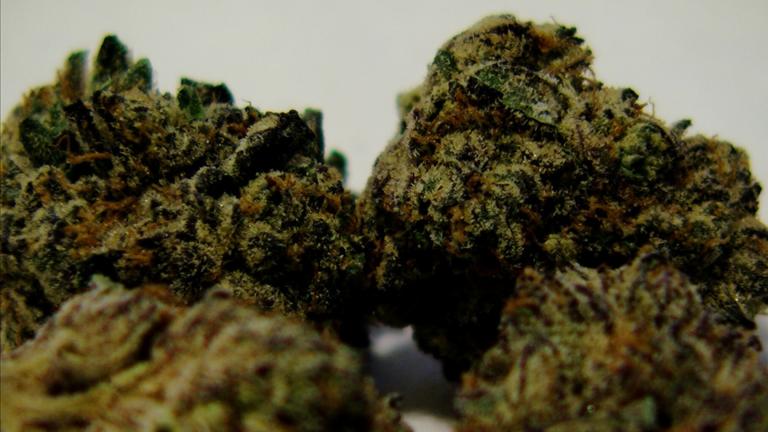
The Chicago City Council voted 32-16 Wednesday to prohibit the sale of most intoxicating hemp products throughout the city, even after business owners said the measure would destroy a burgeoning industry.
The proposal immediately bans the sale of intoxicating hemp products to those younger than 21, while exempting the sale of beverages, topical creams and pet products with intoxicating hemp.
The ban on the sale of delta-8 and other hemp-derived snacks and other products is set to take effect April 1, in order to give city officials enough time to create the rules to enforce the measure.
Ald. Daniel La Spata (1st Ward) was one of several members of the Progressive Caucus to vote against the ban.
“This would make it legal if you drink it with a straw, but illegal if you chew it with your mouth,” La Spata said, referring to intoxicating hemp products.
Mayor Brandon Johnson, who opposed the original proposal, told reporters he had not decided to veto the ordinance, but said he had not ruled it out, citing what he called “serious concerns.”
“As we’ve seen the past with alcohol and marijuana prohibitions, when you make something illegal, you inevitably create a black market,” Johnson said. “We don’t want children to have access to an intoxicating item. And we don’t want to have an underground market that punishes small businesses who have been operating within the law.”
It would take 34 members of the City Council to override Johnson’s veto.
If Johnson does veto the plan, crafted by Ald. Marty Quinn (13th Ward), it would be his second veto in less than nine months. Johnson allowed the $16.6 billion spending plan approved by the City Council over his objections to take effect without his signature.
Johnson’s original proposed spending plan for 2026 would have regulated intoxicating hemp products in an effort backed by Chicago Department of Public Health Commissioner Dr. Olusimbo “Simbo” Ige, who has urged the City Council to do more to protect Chicago children and teens from the products.
That measure would have banned the sale of intoxicating hemp products to those younger than 21 years old while prohibiting the sale of all products designed “to resemble a branded candy, cookie, chip or other snack food” in an attempt to stop the items from attracting the attention of children looking for a treat.
Johnson’s plan would have also imposed a $2 per item tax that officials projected would add $10 million to the city’s coffers.
That effort fell apart after the federal government banned the sale of products that contain less than 0.3% delta-9 tetrahydrocannabinol, the main intoxicating compound in cannabis better known as THC, starting in November 2026.
That left efforts by city officials to regulate intoxicating hemp products in limbo, even as Ige said they could pose a threat to Chicagoans of all ages.
That prompted Quinn to propose an immediate ban the sale of all products containing hemp outside licensed cannabis dispensaries, including at bars and breweries that sell intoxicating hemp drinks alongside alcoholic beverages.
After pushback from the Illinois Restaurant Association, Quinn agreed to revise the proposal to allow establishments with liquor licenses to continue selling intoxicating hemp drinks.
Violations of the measure could come with fines of up to $10,000 for multiple violations.
Despite efforts to send the measure back to the License and Consumer Protection Committee to consider that change and allow members of the public to review the revised proposal, the City Council approved those changes on the floor at Quinn’s request.
Typically, the City Council’s rules require that it vote on proposals that have not undergone substantive revisions after being endorsed by a City Council committee.
Before the Dec. 3 vote by the License and Consumer Protection Committee, dozens of business owners pleaded with alderpeople to delay any action that could force them to shutter their businesses and pledged to protect children and teens.
Ivan Capifali, the commissioner of the Business Affairs and Consumer Protection, told alderpeople that the initial proposal would be impossible to enforce, especially because it includes a ban on the sale of all products that contain hemp, including those sold at large retailers like Walgreens and Target.
At the same time, it would threaten hundreds of businesses, Capifali said.
If approved, the measure would create a “black market” of unregulated intoxicating hemp products and “inflict economic harm” on businesses that pose no threat to Chicagoans, Capifali said.
That could prompt the elimination of 10,000 jobs and blow a $10 million hole in the city’s budget by reducing sales tax revenue, Capifali said.
Although Capifali urged members of the City Council to advance a separate measure to ban the sale of intoxicating hemp products to those younger than 21, committee members expressed skepticism that a smaller ban would be effective.
In June, the City Council failed to override Johnson’s veto of a measure that would have allowed Chicago Police Department officials to preemptively impose a curfew anywhere in the city and begin enforcing it with just 30 minutes notice.
The City Council approved that proposal with a vote of 27-22, but failed to override Johnson’s veto.
Contact Heather Cherone: @HeatherCherone | (773) 569-1863 | [email protected]