

Vaccines
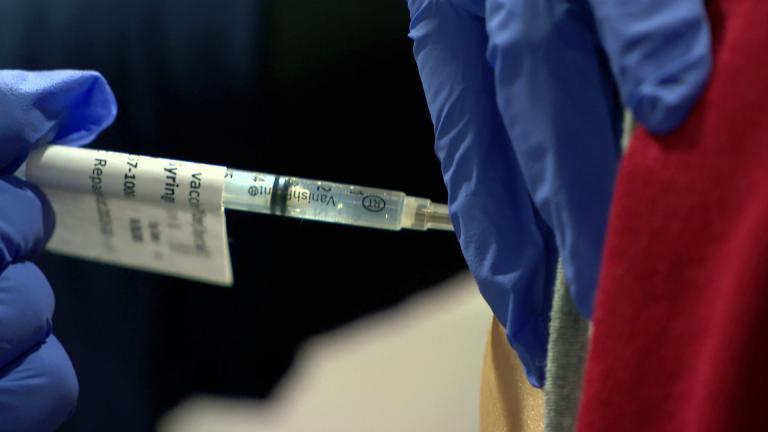
While the risk to Illinois residents remains “very low,” according to IDPH, health officials are reminding residents to make sure they are vaccinated against the disease in order to protect themselves and their loved ones.
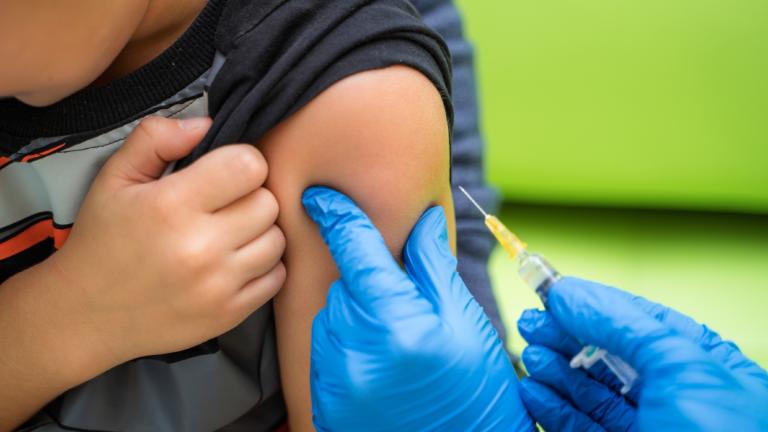

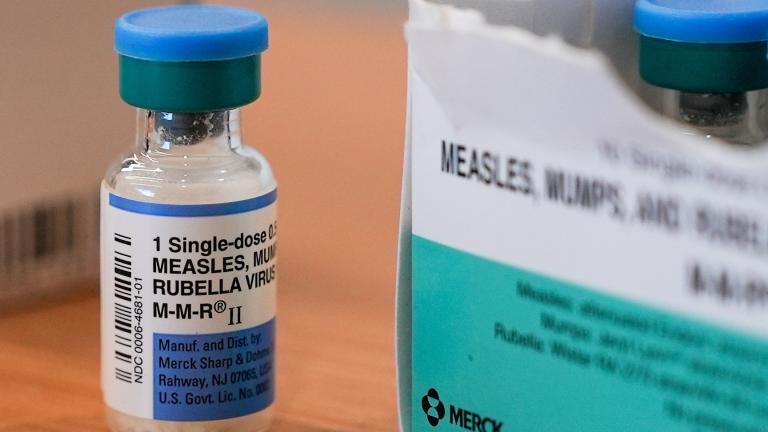
The executive order recommends splitting the measles, mumps and rubella, or MMR, vaccine into three separate shots and reducing the number of vaccines recommended for all children from 18 to 11.
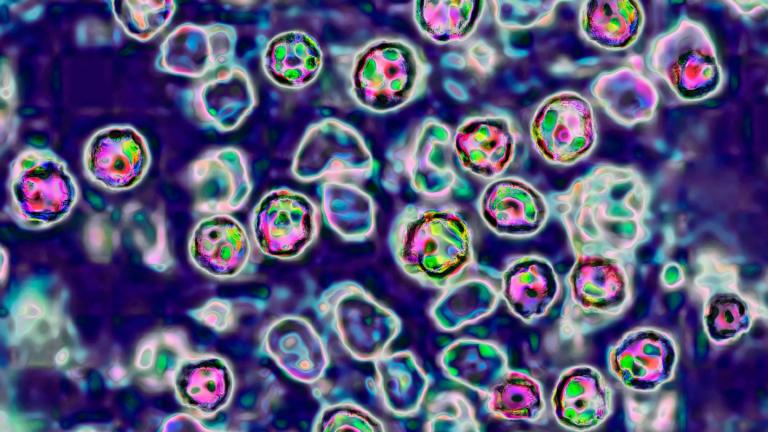
These are the first U.S. deaths from measles reported in 2026 and the first in Pennsylvania in 35 years.
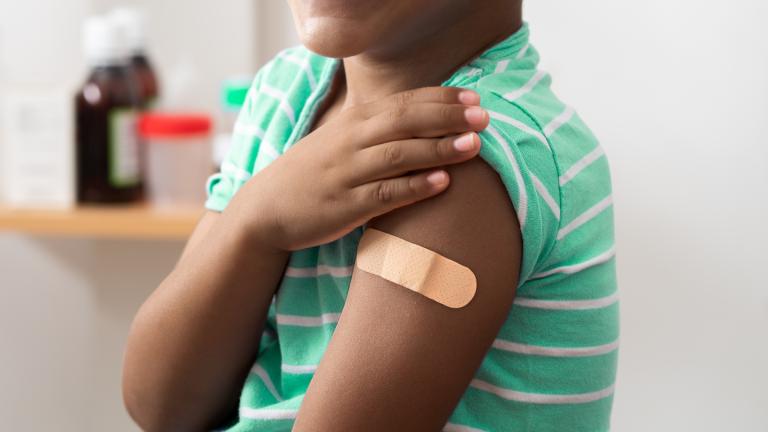
The Illinois Department of Public Health said that it does not recommend adjustments to the childhood immunization schedule based on the recent federal executive order and that the department continues to endorse the immunization schedule put forth by the American Academy of Pediatrics.
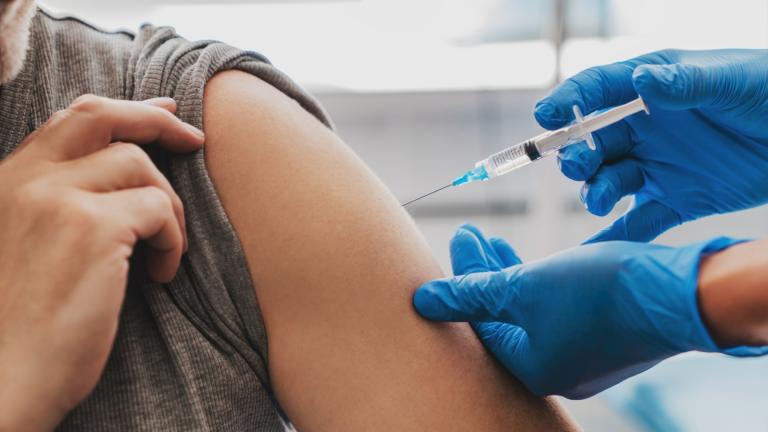
The vaccine, called mFLUSIVA, is expected to be a versatile new option for people seeking protection from influenza and an important step forward for the widespread adoption of mRNA technology.
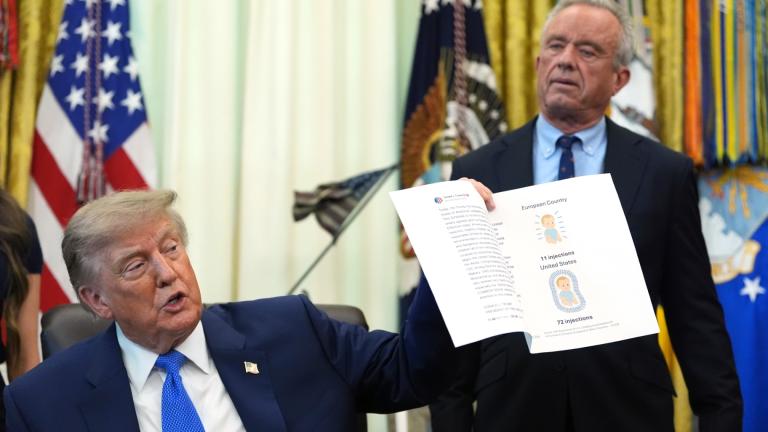
Public health experts have raised concerns that spacing out shots as the president suggests can lead to an increased risk that children become infected with a vaccine-preventable disease before returning for another visit.
Flu vaccines must be updated annually to best match circulating strains of the virus. Vaccines made with the Nobel Prize-winning mRNA technology are faster to manufacturer than other types.
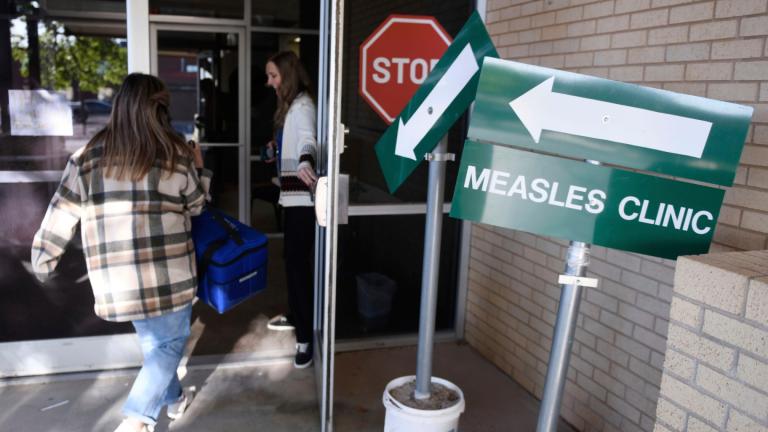
The U.S. Centers for Disease Control and Prevention logged 2,318 cases of measles as of Thursday, according to an agency update on Friday.
Mobile vaccination clinics will be held at community events and back-to-school fairs throughout suburban Cook County through mid-October. Vaccines for those ages 6 months to 18 years old will be provided at no cost, regardless of immigration or insurance status.
The immunization schedule is specifically for pregnant, postpartum and breastfeeding women.
At least 100 people have died from the flu this season in Illinois, with 77 of those deaths occurring this month alone, according to the Illinois Department of Public Health.
The Centers for Disease Control and Prevention announced Monday it is no longer recommending that all children receive vaccines against: RSV, flu, hepatitis A, hepatitis B, meningococcal disease and rotavirus. Instead, the federal government now only recommends protection against these diseases for certain children at high risk.

The U.S. Department of Health and Human Services will recommend fewer vaccines for most American children, health officials said Monday.
Flu activity in suburban Cook County jumped from “low” to “high” during the week ending in Dec. 20, according to health officials. Chicago’s public health department reported “high” levels of emergency department visits and hospitalizations for flu late last week.
Illinois health officials are maintaining their stance that all newborns should receive a hepatitis B vaccination, days after federal vaccine advisors voted to remove a similar recommendation.
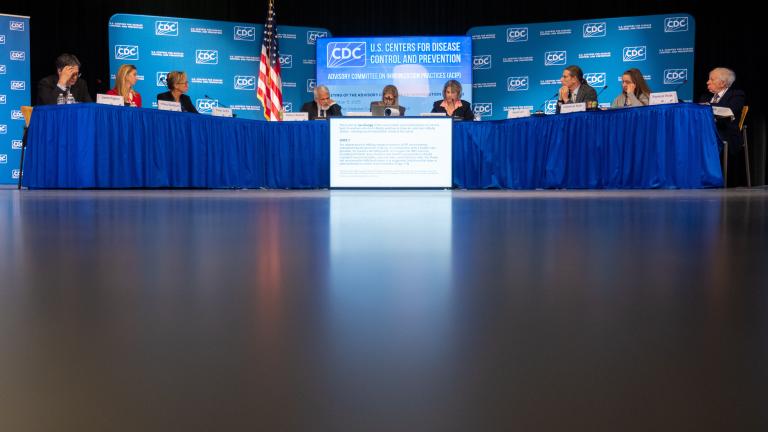
For decades, the government has advised that all babies be vaccinated against the liver infection right after birth. The shots are widely considered to be a public health success for preventing thousands of illnesses.
Trending
Pair of Chicago Elementary Schools Named Top in Illinois in New U.S. News Rankings

Mother-Son Reunions Among Latest Milestones for Shedd’s Rescued Belugas

Migration Mass Casualty With At Least 1,000 Birds Injured or Killed This Weekend in Chicago and on Northwestern’s Campus

Giannoulias, Quigley, Wilson — But Not Johnson — Among First to File Signatures Ahead of Chicago’s February Mayoral Election
Early Voting for November General Election Expands in Chicago, Suburban Cook County
Sign up for the WTTW News newsletter