

Climate Change
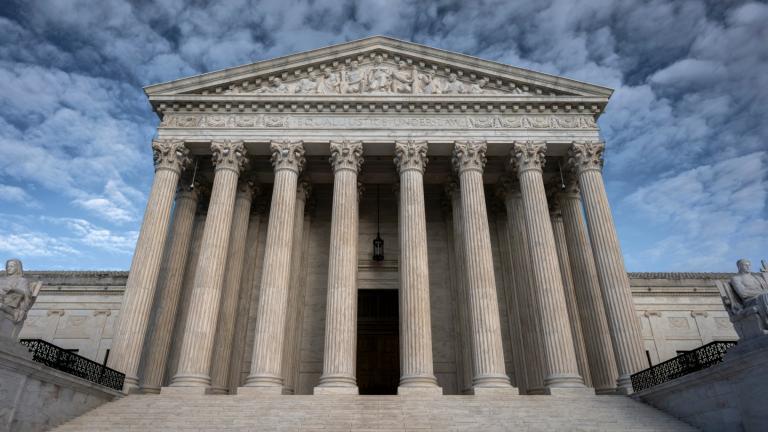

In the coming months, the court is set to hear arguments over Cook County’s ban on assault weapons, a greenhouse gas emissions case that could affect a Chicago lawsuit and a Colorado case on the separation of church and state in school funding.
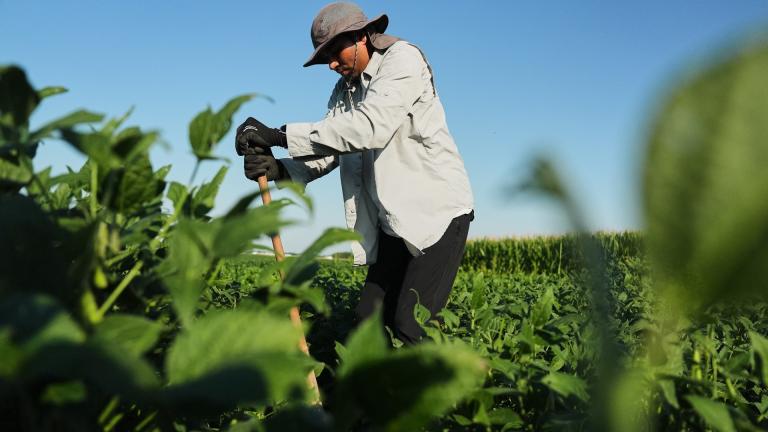
Illinois Scientists Hope Deeper-Rooted Soybeans Can Withstand Climate Extremes and Store More Carbon
An $18 million grant from the Bezos Earth Fund will help researchers measure how resilient these plants are to drought and other climate stressors, how much carbon they can store and for how long, and how to get the plants onto farms at scale.

Scientists have long warned that the world will experience more intense extreme weather events like heat waves, storms, floods and droughts. But what once seemed like the realm of fiction is now discussed as a possibility, even an inevitability.

According to the survey, U.S. adults are more likely to say extreme heat has had either a “major impact” or “minor impact” on their travel or vacation plans, electricity bills, their sleep, their family’s outdoor activities and more parts of their day-to-day life than in July 2024.
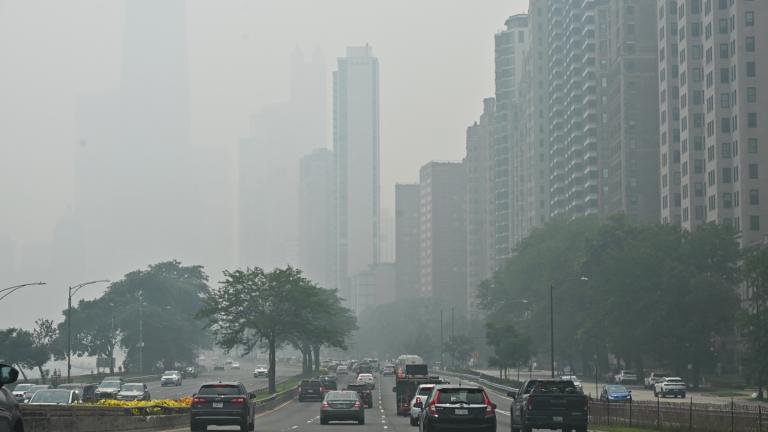
Smoke causes inflammation by triggering the body’s immune system to go into overtime to fight the irritant. Scientists have found it can harm the brain, the skin and men’s sperm, with almost no system of the body spared.
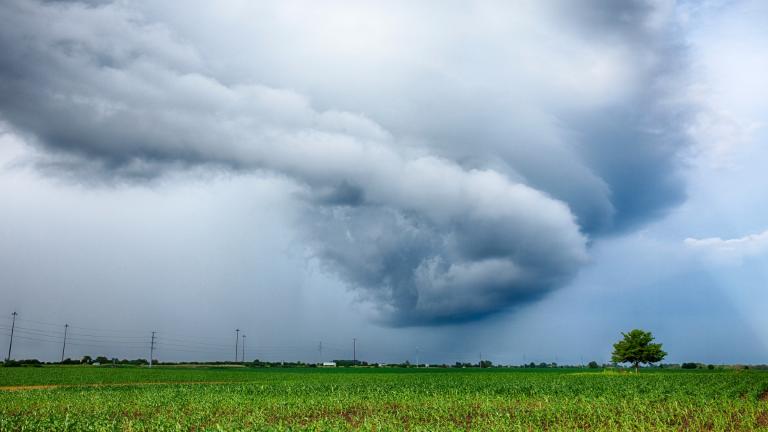
It’s part of a four-year upwards trend that experts say is mostly normal weather variation but could be part of long-term severe weather increases related to climate change.

Officials with Chicago's Department of Environment recently released an updated Green Infrastructure Strategy, the first revision to the document in more than a decade.

Since March, multiple rounds of severe storms have caused flooding, plus hail damage and even tornadoes. A warmer atmosphere can hold more moisture, and that moisture can turn into rainfall.

CHICAGO — A law originally enacted to keep the state’s nuclear fleet profitable is instead giving relief to energy customers due to rising power costs and increased federal subsidies for nuclear generators.
ComEd customers in Illinois will see an average $19 monthly reduction to their electricity bills over the coming months, thanks to a policy in the state’s landmark climate bill.
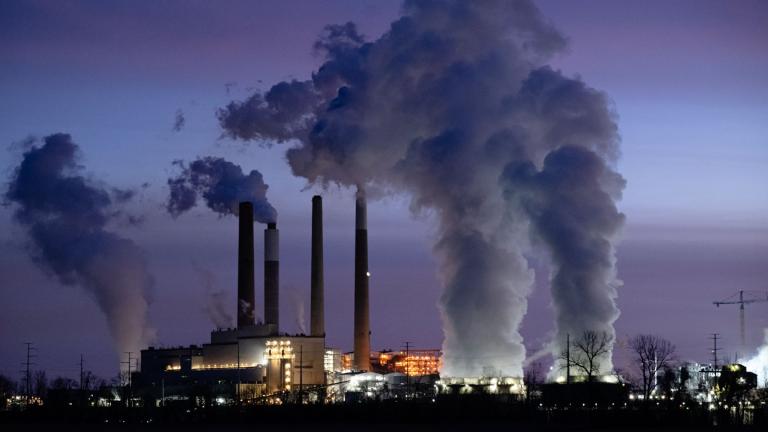
Last week, the Trump administration delivered a catastrophic blow to U.S. climate policy by repealing the longstanding scientific finding that planet-warming pollution poses a danger to humans. Now comes the yearslong race through the courts.
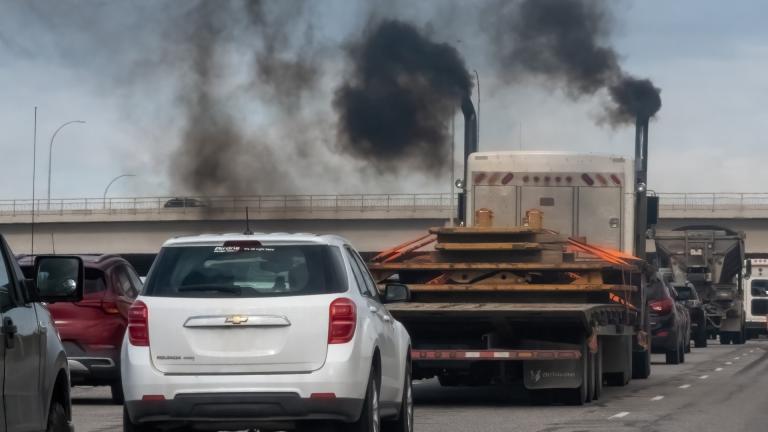
The EPA repealed the key underpinning of greenhouse gas emission regulations. Now environmental and health advocates are taking the agency to court.
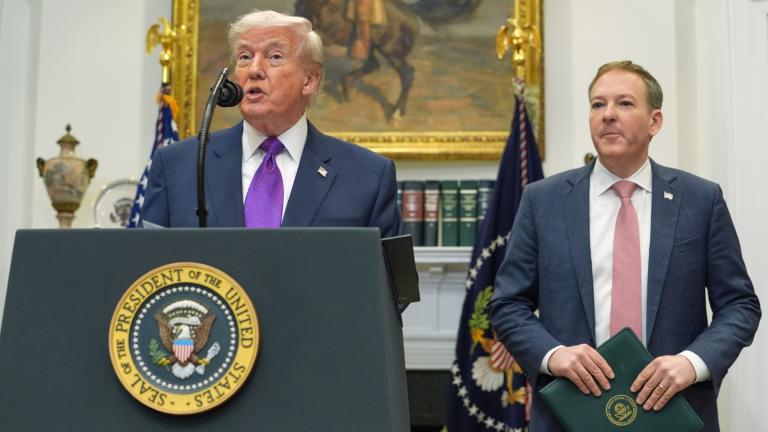
Environmental groups described the move as the single biggest attack in U.S. history against federal authority to address climate change. Evidence backing up the endangerment finding has only grown stronger in the 17 years since it was approved, they said.
If the investments proposed are approved in full by the ICC, ComEd expects residential customers to see an increased average cost of between $2.50 to $3 per month starting in 2028.
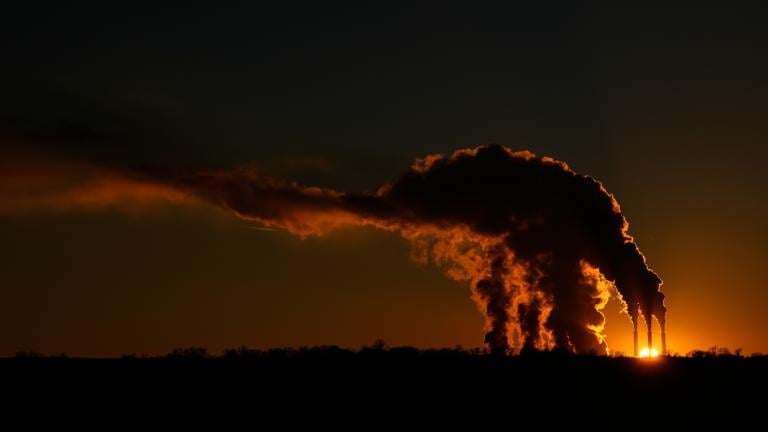
In a reversal from previous years’ pollution reductions, the United States spewed 2.4% more heat-trapping gases from the burning of fossil fuels in 2025 than in the year before, researchers calculated in a study released Tuesday.
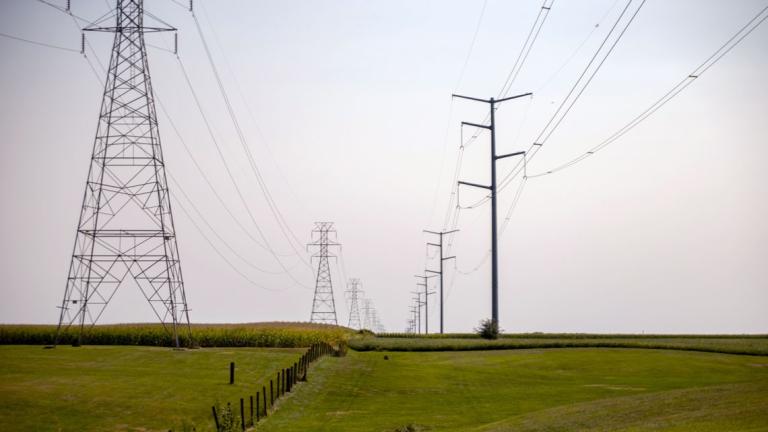
A new report by state regulators projects energy shortfalls will begin in northern Illinois by 2029 and the rest of the state by 2031 if lawmakers and grid operators don’t act.
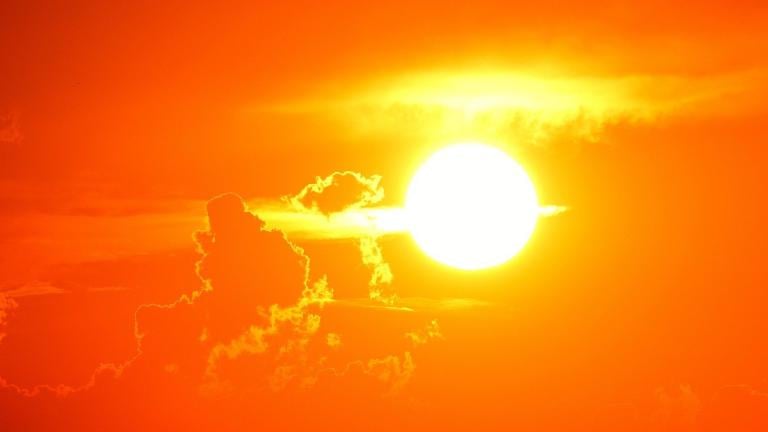
According to Climate Central, summer temperatures are extending deeper into fall in more than 90% of major U.S. cities.
Trending
A CTA Bus Driver Was Attacked on the Job. She Was Later Fired While on Leave

Top Cop Agrees to Fire Chicago Police Officer Who Repeatedly Used Racial Slurs: Records

Pritzker, Bailey Square Off in Contentious Discussion Over Taxes, Trump and Bears

After City Council Refused to Settle, Jury Rejects Lawsuit Filed by Family of Woman Killed by Driver Chased by CPD

Changes Are Coming to CTA, Metra and Pace. Hear From the Leaders of Their New Oversight Agency

Sign up for the WTTW News newsletter