

Toni Preckwinkle
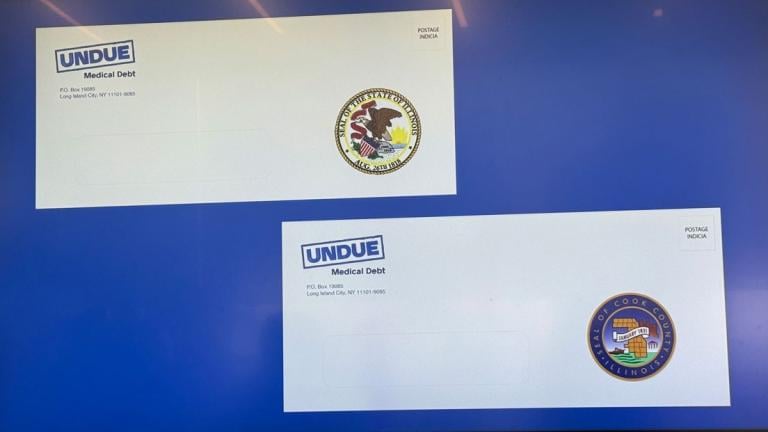
Illinois has erased over $1.4 billion in medical debt for almost 700,000 Illinoisans for pennies on the dollar, two years after launching a new relief program.

“This budget magic … we’re only able to do this once,” Cook County Board President Toni Preckwinkle said. “We are sweeping the cupboards bare. Once you’ve done that, you have to look for other resources.”

After powerful storms tore through the Chicago region in August, the leaders of numerous south suburban communities were faced with recovery efforts that far exceeded the capacity of their personnel, equipment and financial resources.
The county program provides funding for numerous services including crisis intervention, emergency financial assistance and behavioral health.
An overhaul of the county’s property tax system plagued with problems that created “a cascade effect,” Cook County Board of Commissioners President Toni Preckwinkle said Tuesday
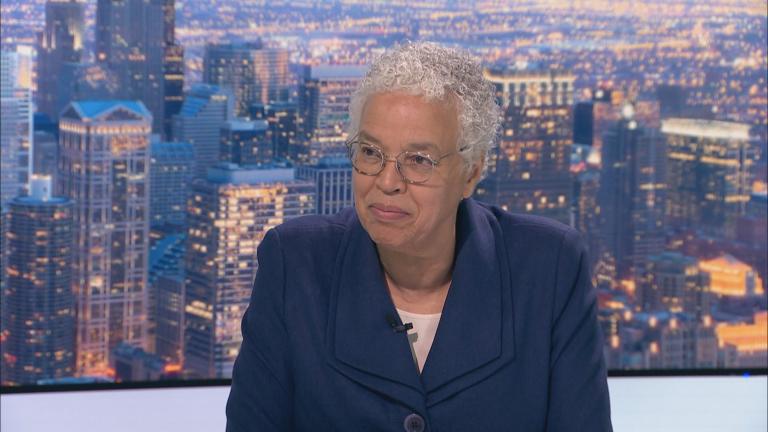
The $20 million includes $5 million awarded through the county’s community violence intervention grant initiative and a new $15 million funding opportunity that will launch later this year, according to Cook County Board President Toni Preckwinkle.
The projected budget gap facing the county next year is fueled by the impact of litigation related to Safe Roads Amendment, growing payroll and pension liabilities, increasing employee benefit costs and Medicaid enrollment declines due to federal policy changes, according to a budget forecast presentation.
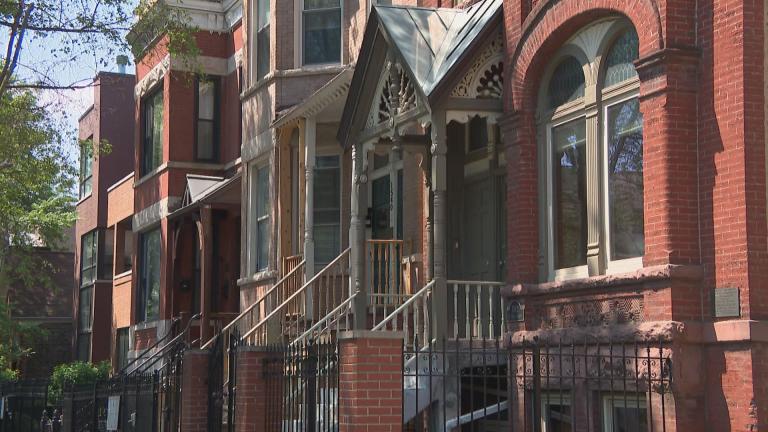
Second installment property tax bills are typically released in early July and due in early August, but those bills have been repeatedly delayed by an overhaul of the county’s property tax system plagued with problems.
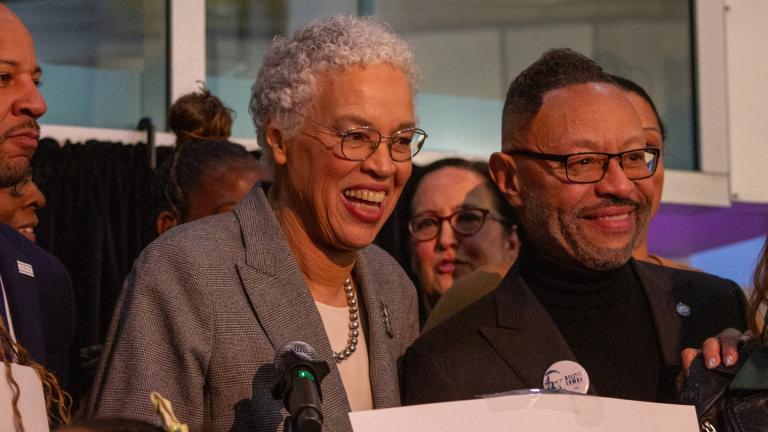
Incumbent Toni Preckwinkle has spent the past 16 years as board president. Running against her was Chicago Ald. Brendan Reilly, who has represented the city’s 42nd Ward since 2007.
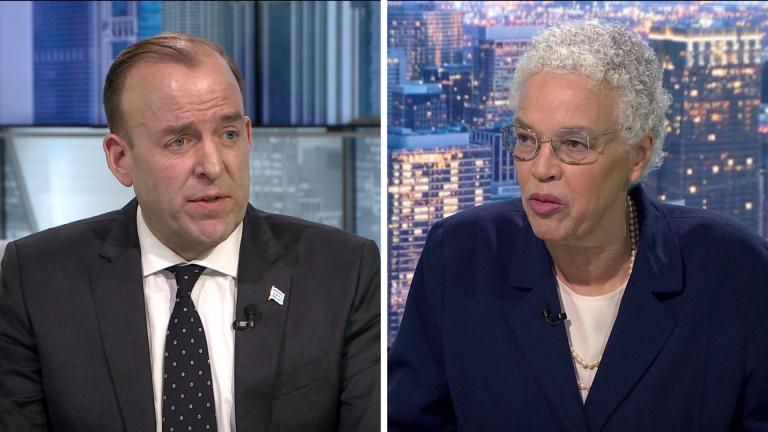
With Health System Bracing for Cuts, Candidates for Cook County Board President Vow to Preserve Care
The cuts, imposed by the Trump administration, will hit the county’s bottom line next year, threatening the ability of more than 400,000 Cook County residents to get necessary health care.
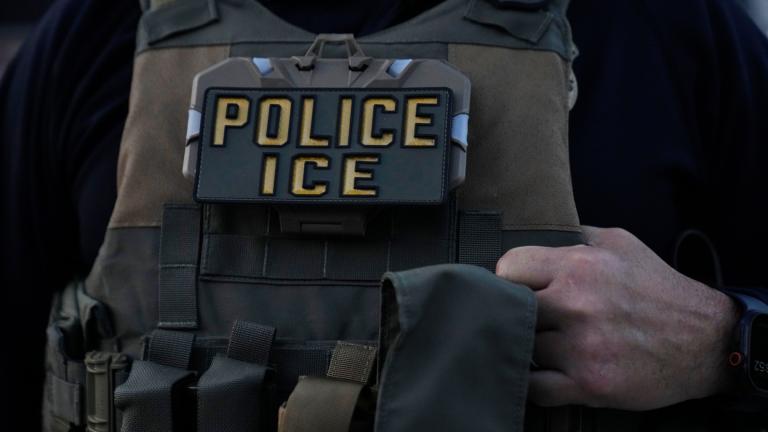
Cook County State’s Attorney Eileen O’Neill Burke has implemented a new protocol that calls for the use of all available prosecutorial tools to support investigations into the use of force by federal immigration officers.
First installment property tax bills are typically released in February and due in early March, but will be delayed by one month by an overhaul of the county’s property tax system plagued with problems.
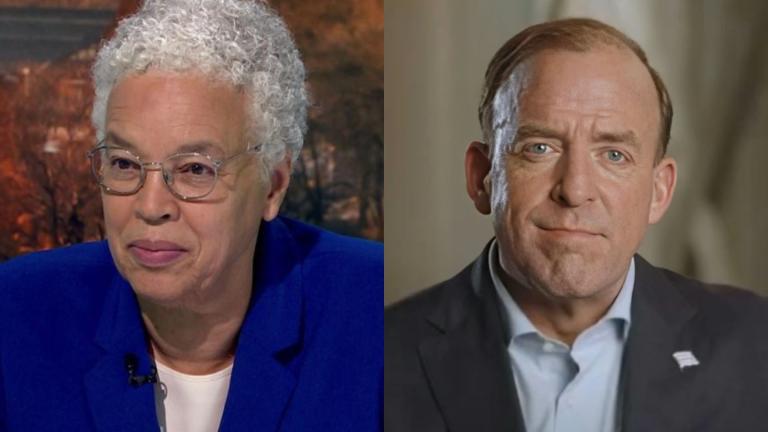
The debate over how to respond to President Donald Trump’s aggressive efforts to carry out the largest mass deportation effort in U.S. history is the newest flashpoint in the race for Cook County Board president.
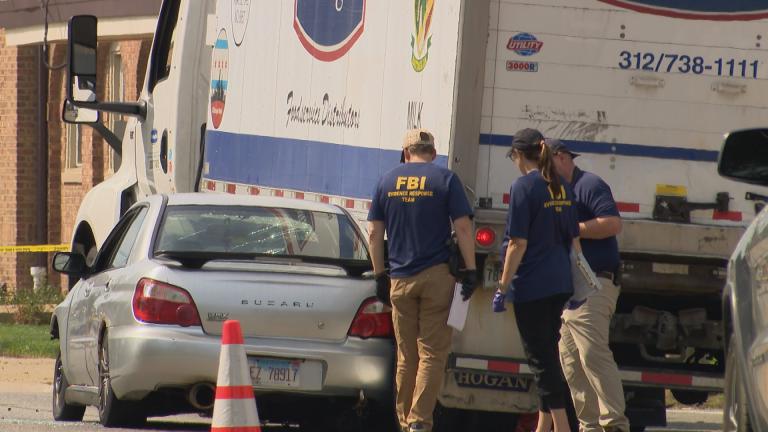
Preckwinkle urged Cook County State’s Attorney Eileen O’Neill Burke to act “swiftly, proactively and transparently” in order to ensure accountability after agents have repeatedly used “excessive force."
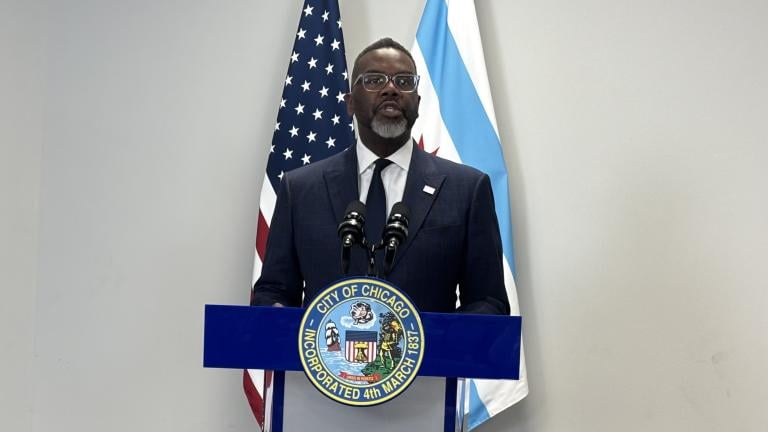
Chicagoans “suffered tremendously” during those storms and should be able to rely on the federal government for help, Mayor Brandon Johnson said Tuesday.
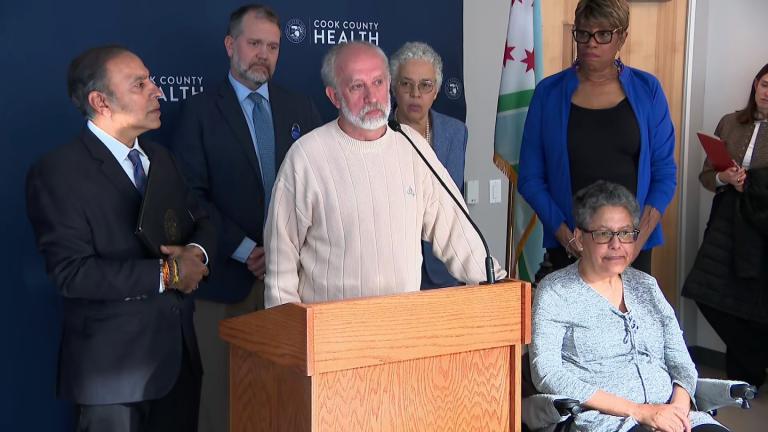
The enhanced tax credits that have helped reduce the cost of health insurance for the vast majority of Affordable Care Act enrollees expired at the end of 2025. More than 500,000 Illinoisans depended on these credits to make health coverage affordable, according to U.S. Rep. Raja Krishnamoorthi.
Trending
Republican Ohio Gov. Mike DeWine Denounces Ramaswamy Ad Featuring Democrat Amy Acton’s Estranged Mother
CTA to Suspend Loop Elevated Train Service This Weekend for Track Maintenance

Suspend 4 CPD Officers Who Stopped, Shot Dexter Reed for Violating Rights of 4th Driver: Former Top Cop
Chicago DJ Sam Chatman, Known as the Godfather of Steppin’, Dies at 85

CPD Opens Misconduct Probe Into Members’ Use of License Plate Readers

Sign up for the WTTW News newsletter